
Affordable Microgreens Seed Starter Kits That Actually Work
Why a Microgreens Growing System Is the Smartest Kitchen Upgrade of 2026
A microgreens growing system is one of the fastest, most affordable ways to add fresh, nutrient-dense greens to your meals — no garden, no experience, and no green thumb required.
Here are the top microgreens growing systems worth considering in 2026:
| System Type | Best For | Price Range | Harvest Time |
|---|---|---|---|
| HAMAMA Seed Quilt Kit | Beginners, zero mess | ~$49.95 | 7 days |
| InGarden Hydroponic Kit | Tech-forward growers | ~$149 | 7-15 days |
| Back to the Roots Kit | Budget beginners | ~$12.99 | 7 days |
| ZestiGreens Self-Watering | Hands-off growing | ~$39.95 | 7-10 days |
| Leath Fieldhouse | All-in-one countertop | ~$295 | 7-12 days |
| Mountain Valley Mini Kits | Lowest budget entry | ~$6.99 | 7-14 days |
Life is busy. Getting nutrient-dense food on the table every day is harder than it sounds.
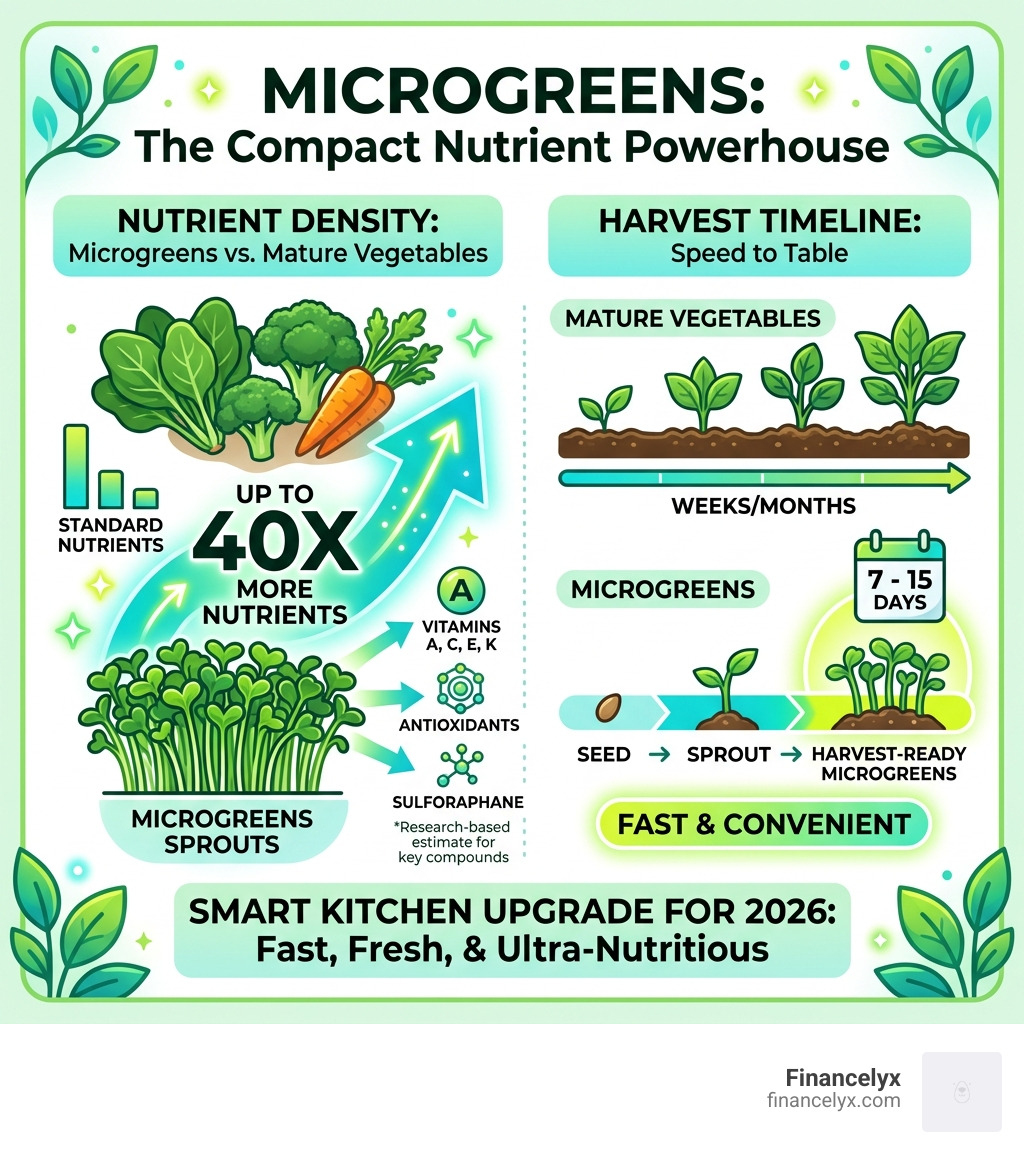
That’s where microgreens come in. These tiny greens are harvested just 7 to 15 days after planting. And research from the University of Maryland suggests they can contain up to 40 times more nutrients than their fully grown counterparts. Vitamins A, C, E, and K. Antioxidants. Sulforaphane. All packed into a small handful you can grow on your kitchen counter.
In April 2026, interest in home food growing is at an all-time high — and microgreens kits are leading the charge. They’re compact, they’re fast, and they fit into even the most hectic schedules.
But not every kit is worth your money. Some are messy. Some overpromise. Some are built for experienced gardeners, not busy people who just want a simple nutrition boost.
This guide cuts through the noise. We compared the most popular systems across price, ease of use, growing method, and real-world results — so you can pick the one that actually fits your life.
Quick microgreens growing system definitions:
Choosing the Right microgreens growing system for Your Home
When you’re looking to bring a microgreens growing system into your kitchen, the first thing you’ll notice is that they aren’t all built the same. In fact, the “best” system depends entirely on how much work you want to do and how much space you have.

Soil-Based Systems: The Traditional Route
If you enjoy the feeling of dirt between your fingers, a soil-based system is for you. These setups typically use a growing medium like potting soil or coco coir. The benefit? Soil provides a familiar environment for the seeds and can be very forgiving for beginners. However, it can be a bit messy for a kitchen countertop. If you want to keep your kitchen spotless, you might want to learn How To Grow Microgreens Indoors Without Making A Giant Mess/.
Hydroponic Systems: The Clean Alternative
Hydroponic systems are the darlings of the 2026 indoor gardening scene. These systems use water and a nutrient-rich medium—like hemp mats, jute pads, or coconut felt—instead of soil. Systems like the InGarden can use up to 90% less water than traditional methods. They are incredibly clean and perfect for small apartments. If you’re ready to dive into water-based growing, check out our guide on How To Set Up Your Own Hydroponic Microgreens System Today/.
Self-Watering and Tech-Forward Solutions
For the “set it and forget it” crowd, self-watering systems like ZestiGreens use wicking technology to keep the roots hydrated without daily intervention. Meanwhile, The Future Of Farming Is Your Countertop Microgreen Station/ involves integrated LED lights and timers that do the heavy lifting for you.
Space and Budget
Living in a city often means limited counter space. Fortunately, Vertical Gardening Solutions For Tiny City Apartments/ allow you to stack your trays, maximizing your yield per square inch. Budget-wise, you can start for as little as $6.99 with a mini kit or invest in a professional-grade station for around $295.
Essential Hardware for Home Cultivation
If you’re moving away from pre-packaged kits and building your own microgreens growing system, you need the right hardware. Not all plastic is created equal, and when you’re growing food, quality matters.
The Foundation: Trays and Domes
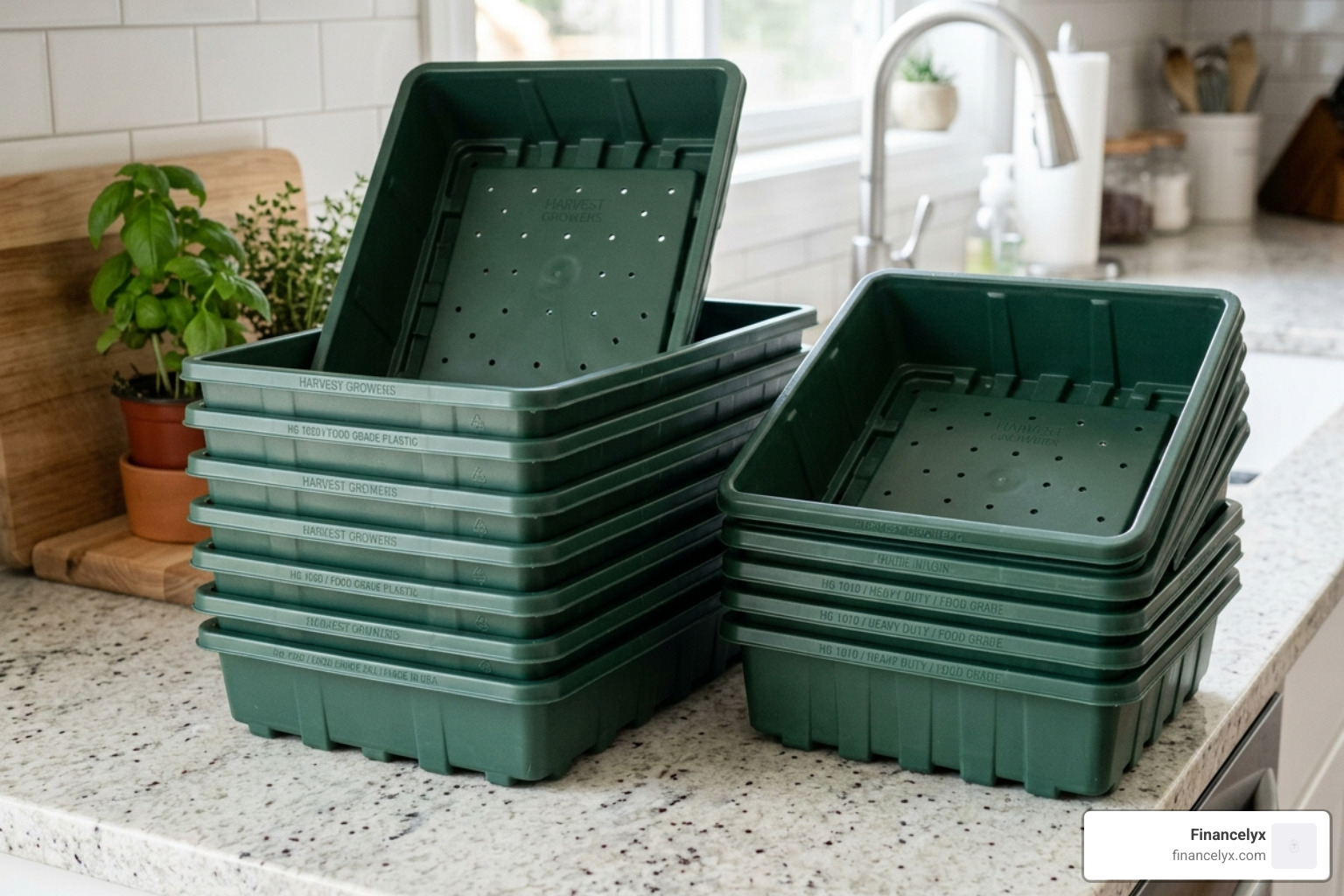
The industry standard for serious growers is the 1020 tray (named for its 10×20 inch dimensions). For home use, the 1010 tray (half the size) or the 5×5 tray is often more manageable.
- Food-Safe Plastic: Always ensure your trays are made from BPA-free, food-grade plastic.
- Drainage vs. No-Holes: A successful setup uses a “nesting” method. You place a tray with drainage holes inside a tray without holes. This allows for bottom-watering, which keeps the leaves dry and prevents mold.
- Humidity Domes: These clear covers trap moisture during the first few days of growth, ensuring your seeds germinate evenly.
For a deeper dive into hardware, see our list of Top Rated Trays To Grow Microgreens Like A Pro/ or compare Ceramic Or Plastic Finding The Best Microgreen Trays/.
Essential Components of a High-Yield microgreens growing system
To get those restaurant-quality results, you need to look beyond just the tray.
- Full-Spectrum LED Lights: While a windowsill works, a dedicated grow light with a 12-hour timer ensures consistent growth year-round.
- Growing Media: Options range from traditional soil to biodegradable jute pads or hemp mats. Jute and hemp are fantastic for hydroponic setups because they are compostable and mess-free.
- Weighted Germination Lids: This is a pro-farmer secret. Placing a weighted lid (or another tray with a brick/weight) on top of your seeds for the first 2-3 days forces the roots to push deeper into the medium, leading to a much stronger, thicker crop.
- Misting Bottles and pH Testers: A fine mist is essential for the early stages, while a pH tester ensures your water is in the “sweet spot” (usually 5.5 to 6.5) for nutrient absorption.
If you are looking to scale up, consider the 1020 Shallow Germination Trays For Serious Growers/ or even The Ultimate Guide To Microgreen Farming For Profit/ if you want to turn your hobby into a side hustle.
Step-by-Step Guide to Success
Setting up your microgreens growing system is surprisingly simple, but there are a few “pro” steps that make the difference between a sparse tray and a lush forest of greens.
The Sowing Process
First, prepare your medium. If using soil, fill your tray about 1.5 inches deep and water it until saturated but not swampy. For hydroponic pads, soak them thoroughly.
- Seed Density: You want a dense “carpet” of seeds, but they shouldn’t be overlapping. Think of it like sprinkles on a cupcake.
- Pre-Soaking: Larger seeds like peas, sunflower, and wheatgrass benefit from a 12-24 hour soak in water before planting to kickstart germination.
- The Weighted Stack: Once sown, mist the seeds, cover them with a lid, and add a small weight. This simulates the pressure of being buried under soil.
The Blackout Period
Keep your seeds in the dark for the first 3-5 days. This is called the “blackout period.” It encourages the stems to stretch upward in search of light, making them easier to harvest later.
Airflow and Mold Prevention
The biggest enemy of a microgreens growing system is mold. To prevent this, ensure good airflow. A small desk fan can help. Some pros use a diluted food-grade hydrogen peroxide (H2O2) spray to keep the crop clean. For more tips on keeping things tidy, read How To Grow Microgreens Indoors Without Making A Giant Mess/.
Step-by-Step Guide to Using Your microgreens growing system
- Prep: Place your growing medium in the tray (with holes) and nest it inside the reservoir tray (no holes).
- Sow: Scatter seeds evenly. Stop Buying Trays And Start Making Your Own/ if you want a DIY challenge!
- Stack: Cover and weight for 3 days.
- Light: Once sprouted, remove the cover and turn on your LED lights for 12-16 hours a day.
- Water: Always water from the bottom. Pour water into the bottom tray so the roots drink it up without getting the leaves wet.
- Temp: Keep your room between 55-75°F.
- Harvest: Most greens are ready in 7-14 days. Use sharp scissors to snip them just above the soil line.
For those with limited room, we’ve reviewed Small Space Superfoods The Best Compact Microgreen Growing System/ to help you find the perfect fit.
Maximizing Nutrition and Flavor in Your Home Harvest
The beauty of a microgreens growing system isn’t just the convenience; it’s the incredible flavor and health benefits.
The Power of Sulforaphane and Bioavailability
Microgreens are essentially “biologically active” plants. Broccoli microgreens, for example, are famous for their high sulforaphane content—a compound studied for its anti-inflammatory and cancer-fighting properties. Because you harvest them so young, these nutrients are highly bioavailable, meaning your body absorbs them easily.
Flavor Profiles to Try
- Radish: Spicy and peppery, just like a mature radish but with a crunchier texture.
- Pea Shoots: Surprisingly sweet and tastes exactly like fresh snap peas. They can even regrow if you don’t cut them too low!
- Sunflower: Nutty, hearty, and great for sandwiches.
- Arugula: A concentrated burst of nutty, tart flavor.
Culinary Applications
At Financelyx, we love using microgreens as more than just a garnish. Toss them into smoothies for a nutrient boost, fold them into omelets, or use them as the primary green in a “micro-salad.” Elena Monroe, our resident expert, suggests using radish microgreens to top avocado toast for an instant flavor upgrade.
Storage Tips for 2026
Homegrown microgreens are best eaten immediately. However, if you harvest a full tray, store them in a glass container with a paper towel to absorb excess moisture. They will stay fresh in the fridge for about 3-5 days.
Frequently Asked Questions about Indoor Gardening
Are microgreens kits more cost-effective than store-bought greens?
Absolutely. While a high-end microgreens growing system has an upfront cost, the “refills” (seeds and growing medium) cost pennies per harvest. Store-bought microgreens can cost $5-$10 for a tiny plastic clamshell, whereas growing them at home can save you $30-$100 a month if you’re a frequent consumer.
How long does it take to grow microgreens from seed to harvest?
Most varieties are ready in 7 to 15 days. Fast growers like radishes can be ready in as little as 6-7 days, while slower crops like beets or cilantro might take up to 21 days.
What are the easiest microgreen varieties for beginners to grow?
Radish is the undisputed king of beginner microgreens—it germinates quickly and is very hardy. Broccoli and kale are also excellent choices because they grow reliably and offer massive health benefits.
Conclusion
Starting your own microgreens growing system is a small investment that pays massive dividends for your health. Whether you choose a high-tech hydroponic setup or a simple soil tray, the result is the same: fresh, vibrant superfoods right at your fingertips.
At Financelyx, we believe that healthy eating should be accessible and flavorful. By growing your own greens, you’re cutting out the “food miles” and plastic waste of store-bought produce while ensuring your family gets the highest possible nutrient density. If you’re ready to start your own tiny empire, check out our guide on How To Grow A Tiny Empire In Your Spare Bedroom/.
Ready to stock up on the right gear? More info about tools and supplies is just a click away. Happy growing!
