
Why Hemp Mat Microgreens Fertilizer Is the Key to Bigger, Healthier Harvests
Hemp mat microgreens fertilizer is the missing ingredient most home growers don’t know they need — until their microgreens stall out around day 8 and never recover.
Here’s the quick answer:
- Start fertilizing on day 8 (or as early as day 6), once seed-stored nutrients run out
- Use a liquid organic fertilizer like a deep ocean mineral solution or fish emulsion
- Dilute properly — around 5 mL per 20 oz of water (roughly 0.75 oz per gallon)
- Apply via bottom watering to avoid damaging young plants
- Continue until harvest at around day 10-12
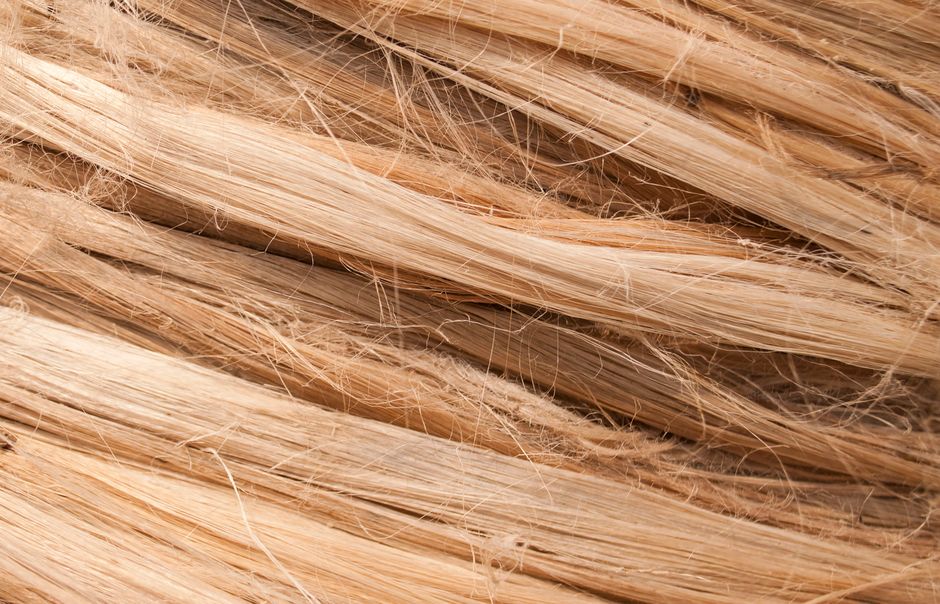
Hemp mats are made from industrial hemp fibers. They hold moisture exceptionally well — up to 1,050% of their own weight in water. They’re clean, pH-neutral, and biodegradable.
But here’s the catch: they contain zero nutrients.
Unlike potting soil, hemp mats give your seeds nothing to feed on once the energy stored inside the seed itself runs out. That happens faster than most people expect — typically around day 7 to 8 of growth.
Without fertilizer, your microgreens hit a wall. With it, the difference can be dramatic. In one test using a liquid ocean mineral fertilizer on hemp mats, red cabbage microgreens grew to triple the size compared to trays watered with plain water alone.
The good news? Fertilizing hemp mat microgreens is simple, affordable (as little as 15 cents per tray), and takes less than a minute per watering.
Understanding Hemp Mats as a Growing Medium
When we talk about the “perfect” medium for microgreens, hemp mats often top the list for those of us who want to avoid the mess of soil in our kitchens. But what exactly are they? Most high-quality hemp grow mats are made from needle-punched industrial hemp fibers. They typically have a density of 300 gsm (grams per square meter), which provides a balanced structure that’s sturdy enough to anchor roots but loose enough for them to penetrate easily.
The magic of hemp lies in its moisture management. Hemp fibers are champions of water retention, holding between 10 to 50 times their weight in water (with some high-end mats reaching that 1050% mark). This creates a consistent reservoir for your seeds during the critical germination phase. Because they use capillary action, the water moves evenly across the mat, ensuring no seed is left high and dry.
Furthermore, hemp mats are naturally pH-neutral. This is a huge advantage over some peat-based soils that can be too acidic or certain coco coirs that might carry high salt levels. By starting with a neutral base, you have total control over the environment. For a deeper dive into why these mats are a game-changer, check out our guide on why seedling mats are essential for microgreen growth.
Why You Need Hemp Mat Microgreens Fertilizer
We often get asked, “If the seed has everything it needs to start, why bother with fertilizer?” It’s a fair question. During the first few days of a microgreen’s life, it relies on the nutrients stored within its cotyledons (the first “leaves” that emerge). However, for most varieties, those internal pantries are empty by day 7 or 8.
In a soil-based setup, the roots would simply begin tapping into the minerals present in the compost or potting mix. But a hemp mat is essentially a sterile, nutrient-void blanket. If you only provide plain water, your microgreens will likely look pale, spindly, and stop growing just as they should be reaching their peak.
Consider these statistics from our research:
- Using a liquid organic fertilizer like Ocean Solution can triple the size of red cabbage microgreens compared to those grown with water alone.
- Microgreens grown on fertilized hemp mats can match the yield and vigor of those grown in premium potting soil.
- Without supplementation, microgreens on mats often fail to develop true leaves effectively, leading to lower nutritional density.
By adding a hemp mat microgreens fertilizer, you are effectively running a hydroponic system. You provide the physical structure with the hemp and the “food” through the water. This allows for a much cleaner harvest—no grit in your teeth!—without sacrificing the lush, vibrant growth we all want. For more on choosing the right nutrients, see our article on safe fertilizers options for microgreen growth.
| Feature | Nutrient-Rich Soil | Hemp Grow Mats (No Fertilizer) | Hemp Grow Mats (With Fertilizer) |
|---|---|---|---|
| Nutrient Content | High | Zero | High (User-Controlled) |
| Cleanliness | Messy | Very Clean | Very Clean |
| Growth Rate | Fast | Slows after Day 8 | Fast |
| Water Retention | Variable | Excellent (1050%) | Excellent (1050%) |
Selecting and Preparing Your Nutrient Solution
Not all fertilizers are created equal, especially when you’re working with a soilless medium. Since we are growing food that we plan to eat raw, we always lean toward organic, food-safe options. It also helps to understand the basic role of plant nutrition when choosing a product for hydroponic-style growing on hemp mats.
Choosing the Best Hemp Mat Microgreens Fertilizer
In our experience, liquid organic fertilizers are the gold standard for hemp mats. Because the mats are thin, granular fertilizers won’t dissolve properly and can lead to “nutrient burn” where the salts sit directly against the delicate roots.
Two of the most effective options are:
- Ocean-Derived Mineral Solutions: Products like Ocean Solution are fascinating because they are derived from deep ocean water and contain all 90 naturally occurring elements. With an NPK ratio typically around 2-0-3, they provide a broad spectrum of micronutrients that help microgreens develop complex flavors and high nutritional value.
- Fish Emulsion or Kelp Extracts: These are classic organic choices. They provide a nice nitrogen boost for leafy growth, though they can sometimes have a bit of an “earthy” aroma that some indoor gardeners find off-putting.
When you’re growing microgreens without soil, you want a solution that is highly soluble so the hemp mat can wick it up evenly.
Proper Dilution for Hydroponic Success
Precision is key. Because microgreens are small and have relatively short life cycles, you don’t need a heavy hand. In fact, over-fertilizing can do more harm than good.
The standard recommendation for a product like Ocean Solution is:
- 0.5 to 0.75 oz per gallon of water.
- For a standard 20 oz spray bottle or watering can, this equates to roughly 5 mL of fertilizer.
This might seem like a tiny amount, but it is incredibly potent. One of the best parts is the cost-efficiency. At this dilution rate, fertilizing a standard 1020 tray costs approximately 15 cents. It’s a small price to pay for a harvest that is three times larger. To see how this compares to other setups, check out our analysis of soil vs hydroponic trays for microgreens.
Step-by-Step: How to Apply Hemp Mat Microgreens Fertilizer
Ready to grow? Follow this simple process to ensure your microgreens get exactly what they need, when they need it.
- Prepare the Mat: Start by soaking your hemp grow mat in plain, pH-balanced water for about 5 minutes. Place it in your 1020 tray (or a smaller growing tray).
- Sow Your Seeds: Spread your seeds evenly across the surface. For something like Red Acre Cabbage, about 3.5 grams per 1020 tray is a good starting point.
- The Blackout Period: Cover your seeds with another tray or a lid and add a small weight (about 2-5 lbs). This encourages the roots to dive deep into the hemp fibers. Keep them in the dark for 3 to 5 days, misting with plain water if the mat feels dry.
- Introduce Light and Food: Once the seedlings are about an inch tall and pushing up the cover, move them under grow lights. This is usually around day 4 or 5.
- The Fertilizer Switch: Continue with plain water until day 6 or 7. From day 8 until harvest, switch to your diluted hemp mat microgreens fertilizer solution.
For a more detailed look at the general process, you can follow our step-by-step microgreen guide.
When to Apply Hemp Mat Microgreens Fertilizer
The timing is the most critical part of this “secret.” If you fertilize too early (during germination), you risk encouraging mold or algae growth on the mat. The seeds already have enough energy to sprout.
The “sweet spot” is the Day 8 Transition. This is typically when the first true leaves begin to emerge, and the plant’s demand for external nitrogen and minerals spikes.
We recommend bottom-feeding. Instead of pouring water over the top of the delicate greens, pour your nutrient solution into the bottom tray. The hemp mat will act like a wick, drawing the fertilizer up to the roots via capillary action. This keeps the stems dry and significantly reduces the risk of “damping off” or mold. If you are just starting your journey, our indoor microgreens setup for beginners covers these tray types in detail.
Avoiding Common Fertilization Mistakes
Even experts can slip up! Here are the most common pitfalls to avoid:
- Over-Saturation: While hemp mats hold a lot of water, they shouldn’t be “swimming.” If the mat is sitting in a pool of water for hours, the roots can’t breathe. Aim for a damp mat, not a flooded one.
- Salt Buildup: If you notice a white, crusty film on the edges of your mat, you might be using too much fertilizer. Flush the mat with plain water for one cycle to clear the excess salts.
- Concentration Errors: Always “measure twice and pour once.” Using undiluted fertilizer will kill your microgreens almost instantly. Stick to the 5 mL per 20 oz rule.
Sustainability and Post-Harvest Care
One of the reasons we love using hemp mats at Financelyx is their environmental footprint. Industrial hemp is a “carbon-capturing” crop, meaning it pulls a significant amount of CO2 out of the atmosphere as it grows.
When you’re finished with your harvest, you don’t have to worry about adding to a landfill. High-quality hemp mats are 100% biodegradable and compostable.
How to dispose of used hemp mats:
- Compost Bin: Simply toss the entire mat (roots and all) into your compost pile. The hemp fibers and organic root matter will break down into rich humus.
- Living Mulch: Some growers use the spent mats as a “mulch” around outdoor perennials. The mat suppresses weeds while slowly releasing the remaining nutrients into the soil.
- Livestock Feed: If you have chickens or rabbits, they often enjoy picking through the spent mats for any leftover greens and roots (just ensure your fertilizer was 100% organic and safe for animals).
If you are curious about how this compares to traditional gardening, take a look at our article unearthing the best soil for microgreens.
Frequently Asked Questions about Hemp Mat Fertilization
Can I grow all microgreen varieties on hemp mats?
Not quite. While most varieties like broccoli, radish, cabbage, and kale thrive on mats, some “mucilaginous” seeds (like chia or flax) can be tricky because they form a gel-like coating. Large-seeded varieties like peas or sunflowers can grow on hemp, but they often prefer the deeper root run provided by soil.
How much does it cost to fertilize a standard 1020 tray?
It is incredibly affordable! As mentioned, a single dose of a high-quality liquid organic fertilizer costs about 15 cents per tray. Even if you fertilize three times before harvest, you’re looking at less than 50 cents per crop.
Do I need to fertilize if I harvest before day 7?
Generally, no. If you are growing “fast” crops like radishes that you plan to harvest on day 6 or 7, the seeds usually have enough internal energy to get you to the finish line. Fertilizer is most beneficial for crops harvested between days 10 and 14.
Conclusion
At Financelyx, we believe that healthy eating should be as simple and sustainable as possible. Growing your own microgreens on hemp mats is a fantastic way to ensure you always have nutrient-dense, flavorful snacks ready to go. By mastering the use of hemp mat microgreens fertilizer, you take the guesswork out of hydroponic growing and ensure every tray is as lush and vibrant as the last.
Whether you’re following a recipe from Elena Monroe or just looking to boost your daily nutrition, these tiny greens pack a massive punch. Don’t let your harvest stall out—feed those roots and watch your indoor garden thrive!
Discover the best safe fertilizer options for your microgreens
