
Why Low Calorie Nutrient Dense Meals Are the Smarter Way to Eat
Low calorie nutrient dense meals are the most effective way to fuel your body, manage your weight, and feel satisfied — all at the same time.
Here are some top options to get you started:
- Lentil and spinach skillet with eggs – ~374 calories, 18g protein, 14g fiber
- Grilled salmon with barley and bok choy – high in omega-3s, under 500 calories
- Pan-seared tofu bowl with edamame and broccoli – ~340 calories, 21g protein
- Chicken and leafy green stir-fry – ~239 calories, 19g protein
- Crustless broccoli, tomato, and white bean quiche – ~302 calories, 20g protein
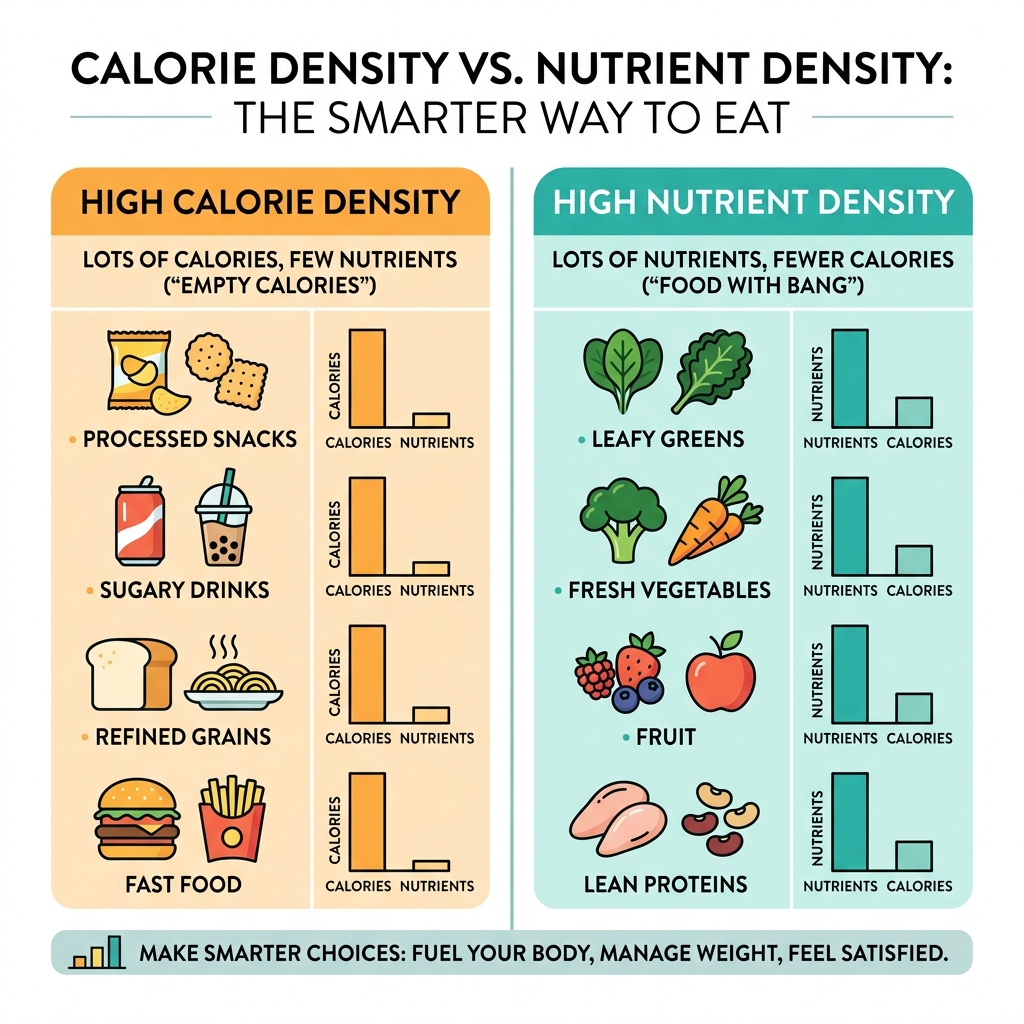
Most people eat plenty of calories every day. The problem? A lot of those calories come from foods with very little nutritional value — think sugary drinks, processed snacks, and refined grains. This is sometimes called eating “empty calories.”
Nutrient-dense foods flip that equation. You get more vitamins, minerals, fiber, and protein — without packing in unnecessary calories.
The FDA defines a low-calorie food as 40 calories or less per serving. For full meals, that threshold is 120 calories or less per 100 grams. But eating low calorie doesn’t mean eating less food. It means eating smarter food.
The good news for busy people: building these meals doesn’t require hours in the kitchen or a nutrition degree.
What Defines Low Calorie Nutrient Dense Meals?
When we talk about low calorie nutrient dense meals, we are essentially looking for the biggest “bang for our buck” in terms of health. In nutrition, “density” refers to how much of the good stuff—vitamins, minerals, complex carbohydrates, and lean proteins—is packed into every bite relative to the energy (calories) it provides.
According to FDA standards, a food can be labeled “low-calorie” if it contains 40 calories or less per serving. When we look at entire meals or main dishes, the benchmark is usually 120 calories or less per 100 grams. This distinction is vital because it helps us navigate a modern food landscape that is often “energy-rich but nutrient-poor.”
The standard American diet is frequently criticized for being heavy on empty calories—those derived from added sugars, unhealthy fats, and excessive sodium. These foods provide a quick energy spike but leave our cells starving for actual nourishment. By choosing nutrient-dense options, we are flooding our bodies with phytochemicals like beta-carotene and lycopene. These aren’t just fancy words; they are powerful compounds found in colorful fruits and vegetables that help reduce the risk of chronic diseases such as heart disease, diabetes, and even certain types of cancer.
We often recommend starting small. For instance, shedding pounds with microgreens: a guide to weight loss shows how adding tiny, nutrient-packed greens can drastically improve the nutritional profile of a meal without adding significant calories. These tiny powerhouses are a perfect example of nutrient density in action. Beyond weight management, reaping the health benefits of microgreens ensures you are getting concentrated doses of vitamins C, E, and K.
Top 5 Low Calorie Nutrient Dense Meals for Weight Management
Managing weight shouldn’t feel like a math problem that always ends in hunger. The secret weapon we use is “volume eating.” This strategy focuses on consuming large quantities of low-calorie foods—mostly those with high water and fiber content—to physically fill the stomach and signal to the brain that we are full.

When we prioritize low calorie nutrient dense meals, we focus on three pillars: lean protein, fiber-rich grains, and an abundance of micronutrients. A classic example is a Mediterranean-style lentil bowl. Lentils are a nutritional goldmine, providing roughly 18 grams of protein and 14 grams of fiber in a single skillet serving. This combination keeps blood sugar stable and prevents the mid-afternoon “snack attack.”
To truly succeed, we suggest you learn to eat more weigh less by choosing foods that take up a lot of space on your plate but very little space in your daily calorie budget.
Lean Protein and Leafy Green Skillets
One of our favorite ways to whip up a quick dinner is the “Skillet Method.” By combining a high-quality lean protein with a mountain of leafy greens, you create a meal that is both satisfying and incredibly low in calories.
- Chicken Breast: A thick slice of rotisserie chicken breast is about 122 calories and provides high-quality protein to keep muscles fueled.
- Cod: If you prefer seafood, 100g of cod is only about 84 calories, making it one of the leanest protein sources available.
- Leafy Greens: This is where you can go wild. A cup of raw kale has only 8 calories, and Swiss chard comes in at a measly 7 calories per cup.
To elevate these skillets, we love adding a healthy twist to breakfast with microgreens. Whether it’s a handful of radish microgreens for a peppery kick or broccoli microgreens for extra sulforaphane, these additions make your skillet a true “superfood” dish.
High-Volume Plant-Based Power Bowls
For those looking to reduce meat intake, plant-based power bowls are the way to go. These rely on the synergy between plant proteins and complex carbohydrates.
- Quinoa: This ancient grain provides 120 calories per 100g (cooked) and is a complete protein, meaning it contains all nine essential amino acids.
- Edamame: These young soybeans are packed with fiber and protein, adding a satisfying “pop” to any bowl.
- Tofu: Pan-searing extra-firm tofu (about 340 calories for a full bowl with veggies) provides a meat-like texture that absorbs whatever flavors you throw at it.
- Broccoli: At 31 calories per cup, broccoli adds crunch and a massive dose of Vitamin C.
These bowls are perfect for those following healthy and easy lunch recipes with microgreens, as they can be prepped in advance and customized with different dressings and toppings.
Strategies for Satisfying Low Calorie Nutrient Dense Meals
The biggest hurdle to any healthy eating plan is the feeling of deprivation. We combat this by using specific strategies that maximize satisfaction.
| Food Item | Serving Size | Calories | Key Benefit |
|---|---|---|---|
| Spinach (Raw) | 2 Cups | ~14 | Extremely high volume, low calorie |
| French Fries | 100g | ~200-300 | High calorie, low nutrient density |
| Greek Yogurt (Non-fat) | 1 Cup | ~100-130 | High protein, promotes satiety |
| Nut Butter | 2 Tbsp | ~190-200 | Energy dense, needs portion control |
As seen in the table above, the difference in calorie density is staggering. You could eat a mountain of spinach for the same caloric cost as a handful of fries. This is the essence of satiety—filling your stomach with fiber and water.
To make low calorie nutrient dense meals taste like a five-star experience, we rely on:
- Herbs and Spices: Think cumin, smoked paprika, fresh cilantro, and ginger. They add zero calories but infinite flavor.
- Healthy Fats: While fats are calorie-dense, a small amount of avocado or a drizzle of extra virgin olive oil helps your body absorb fat-soluble vitamins (A, D, E, and K) and keeps you fuller longer.
- Micro-Nutrient Boosting: We are big believers in unlocking the nutritional powerhouse of microgreens to finish every dish. It’s also important to understand the balance, so demystifying the daily intake of microgreens can help you ensure you’re getting just the right amount of these concentrated nutrients.
Quick 30-Minute Dinner Recipes for Busy Lifestyles
We know that after a long day, the last thing you want to do is spend two hours over a stove. That’s why we focus on recipes that are ready in 30 minutes or less, all while staying under 350-500 calories per serving.
One of our go-to “cheat codes” is the Egg Roll Bowl. By using ground chicken or turkey and a pre-packaged slaw mix (cabbage and carrots), you get all the flavors of a fried egg roll without the greasy wrapper. It’s high in protein, high in fiber, and can be cooked in a single pan.
Another favorite is the Crustless Quiche. By removing the buttery crust and loading the egg mixture with white beans, broccoli, and tomatoes, you create a protein-packed meal (about 20g per slice) that works for breakfast, lunch, or dinner. Roasting the vegetables first is the secret to preventing a soggy quiche and intensifying the natural sweetness of the tomatoes.
For those who love meal prepping, cooking up health with microgreens provides endless inspiration for quick-assembly meals. You can also try incorporating microgreens in delicious sandwiches and wraps using whole-grain tortillas for a fiber boost that stays within your calorie limits.
Frequently Asked Questions about Low Calorie Nutrient Dense Meals
What are the best low-calorie, high-nutrient fruits and vegetables?
When you’re aiming for the highest nutrient density, color is your guide.
- Strawberries: Only 25 calories per half-cup, but loaded with antioxidants.
- Kiwi: High in Vitamin C and fiber.
- Swiss Chard & Kale: These are the kings of the leafy green world, offering vitamins K, A, and C for under 10 calories per cup.
- Broccoli: A cruciferous vegetable that supports detoxification.
For a deeper dive into these options, we suggest navigating the nutritional landscape of microgreens to see how even smaller versions of these plants can pack a larger punch.
How can I incorporate whole grains without exceeding my calorie limit?
The key is portion control and choosing grains with high water absorption.
- Quinoa: Cooked quinoa is about 120 calories per 100g. It’s very filling because it expands significantly when cooked.
- Oatmeal: At 71 calories per 100g (cooked), it’s a fantastic breakfast base.
- Barley: This grain has a wonderful chewy texture and is excellent in soups and salads.
We often find that identifying microgreens as superior superfoods helps our readers realize that they can get many of the nutrients they seek from grains in a much lower-calorie format by adding greens to their grain bowls.
Is volume eating a sustainable strategy for long-term health?
Yes, provided it is done mindfully. Volume eating helps with physical satiety, but you still need to ensure you’re getting enough healthy fats and proteins for hormonal health. It’s always a good idea to consult with a registered dietitian to tailor a plan to your specific caloric needs.
Sustainability comes from variety. Don’t just eat plain spinach; use spices, different proteins, and various textures. We also discuss this in demystifying the daily intake of microgreens 2, highlighting that balance is the most important factor in any long-term dietary change.
Conclusion
At Financelyx, we believe that eating well shouldn’t be a chore. Our expert writers, including Elena Monroe, are dedicated to bringing you the latest insights into a nutrient-rich lifestyle that supports your goals without sacrificing the joy of food.
Whether you are trying to lose weight, manage a chronic condition, or simply feel more energetic, focusing on low calorie nutrient dense meals is a proven path to success. By embracing whole foods, utilizing volume eating strategies, and adding powerful “boosters” like microgreens, you can create a sustainable wellness routine that lasts a lifetime.
Ready to take the next step in your health journey? Explore more info about Financelyx services to find more recipes, tips, and guides tailored to your lifestyle. Eat smart, stay full, and thrive!
