
Why Natural Pest Control for Microgreens Actually Matters
Natural pest control microgreens growers rely on comes down to a handful of proven methods you can start using today:
- Bottom water your trays to keep the soil surface dry and unattractive to fungus gnats
- Isolate microgreens from houseplants, which are the most common source of pests indoors
- Use diatomaceous earth sprinkled on the soil surface to kill soil-dwelling insects
- Place yellow sticky traps nearby to catch and monitor flying pests like fungus gnats and whiteflies
- Introduce beneficial insects like ladybugs to tackle aphids on longer-growing varieties
- Apply a DIY organic spray (neem oil + potassium bicarbonate + castile soap) for active pest or fungal issues
- Quarantine any new plants for at least two weeks before bringing them near your grow area
Microgreens are one of the fastest, most rewarding ways to add nutrition to a busy lifestyle. Most varieties go from seed to harvest in just 7 to 14 days. That short window is actually good news — it naturally limits how much time pests have to take hold.
But limited doesn’t mean zero.
Fungus gnats, aphids, and whiteflies can still show up — and when they do, they move fast. The last thing you want is to reach for a chemical spray on something you’re about to eat raw. That’s where natural methods shine: they’re safe, effective, and fit right into a health-conscious routine.
The good news? Most pest problems in microgreens come down to a few simple environmental mistakes that are easy to fix. As one experienced grower put it: if you eliminate the conditions pests love — moisture, warmth, and access — you eliminate most of the problem before it starts.
This guide walks you through exactly how to do that, from identifying what’s in your tray to stopping it naturally.
Identifying Common Pests in Your Indoor Garden
Before we can fight back, we need to know who the “unwanted guests” are. In the cozy, humid environment of an indoor grow setup, a few specific characters tend to crash the party.
Fungus Gnats: The Most Common Culprit
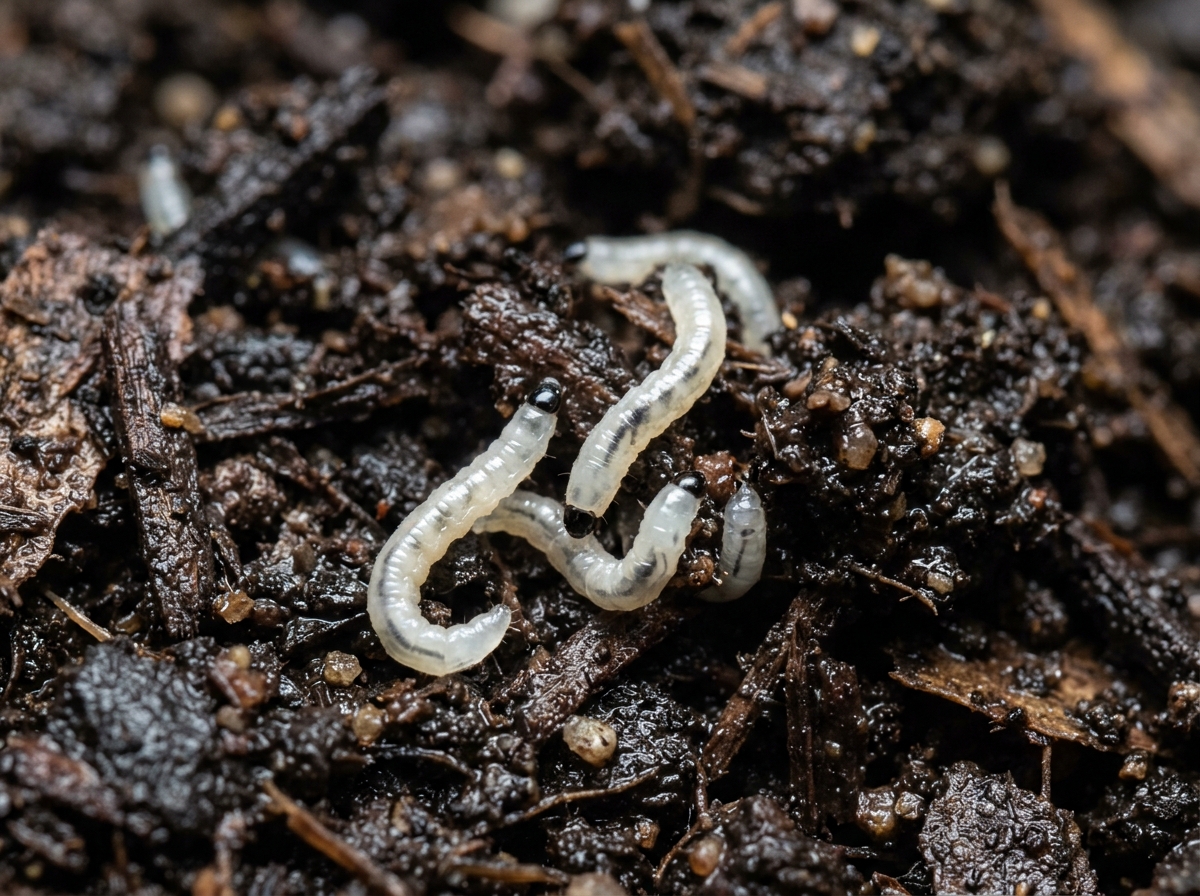
If you see tiny black flies hovering around your trays, you likely have fungus gnats. While the adults are mostly a nuisance, their larvae are the real villains. A single female can lay 100 to 300 eggs, which hatch in just 4 to 6 days. These larvae live in the soil for 2 to 3 weeks, munching on the delicate roots of your microgreens. This leads to stunted growth and makes your seedlings vulnerable to microbial infections like damping-off.
Aphids: The Sap-Suckers
Aphids are small, soft-bodied insects that often cluster on the undersides of leaves or along stems. They pierce the plant tissue to suck out the sap, causing leaves to wilt, turn yellow, or become deformed. They are particularly fond of longer-growing microgreens like sorrel or basil.
Whiteflies and Thrips
Whiteflies look like tiny white moths and tend to fly up in a cloud when you shake the tray. Thrips are much smaller and harder to spot, often leaving behind silver or bronze streaks on the leaves. Both can transmit diseases and sap the energy from your young plants.
Impact on Growth
Pests don’t just “eat” your plants; they stress them out. When a microgreen is under attack, it redirects energy from growth to defense. While some research suggests that a small amount of pest stress can actually increase antioxidant levels in plants, in a high-density microgreen tray, an infestation usually just leads to a collapsed crop that is unsafe or unappealing to eat.
Prevention: The Best Natural Pest Control Microgreens Strategy
In microgreens, an ounce of prevention is worth a pound of cure—mostly because by the time you see a massive infestation, your 10-day crop might already be over.
Start with a Clean Slate
The first rule of natural pest control microgreens is to never reuse soil. Old soil can harbor eggs and larvae from previous batches. Always use a fresh, sterile growing medium. Additionally, ensure your trays and tools are disinfected between uses.
Isolation is Key
Most indoor pest outbreaks don’t start in the microgreen tray; they migrate from nearby houseplants. Tropical plants and large decorative pots are notorious breeding grounds for fungus gnats. To keep your food safe, preventing pests from invading your indoor microgreens often starts with moving your grow rack to a different room or using a dedicated grow tent.
Environmental Controls
Pests thrive in stagnant, humid air. By managing your environment, you make your grow space a “no-fly zone”:
- Airflow: Use small fans to keep air moving. This strengthens the stems and prevents the humid micro-climate that gnats love.
- Humidity: Aim for a “sweet spot” of 40-60% humidity. You can learn more about this in our guide to humidity control 101.
- Temperature: Most microgreens prefer 65-75°F (18-24°C). Temperatures higher than this can accelerate the pest life cycle.
By avoiding common mistakes like overcrowding your trays, you ensure that every seedling gets enough light and air, making them much harder targets for pests.
Cultural Practices for Natural Pest Control Microgreens
How we water and store our supplies can be the difference between a healthy harvest and a buggy mess.
Bottom Watering
This is perhaps the single most effective trick for fungus gnat prevention. Fungus gnats need moist surface soil to lay their eggs. By adding water to the bottom tray and letting the medium wick it up, the top layer stays dry. No moisture, no eggs, no problem. This technique also helps in preventing mold formation on the delicate stems.
Proper Seed Storage
Did you know that mice and certain beetles are attracted to improperly stored seeds? Store your seeds in airtight containers, ideally in a cool, dark place (between 55°F and 70°F). Leafy vegetable seeds can last up to 4 years, while grains last about 3 years when kept dry.
Grow Tents and Ventilation
For those serious about a pest-free environment, grow tents provide a physical barrier. Combined with screened intake vents, they make it nearly impossible for flying insects to reach your trays.
Biological and Physical Solutions for Active Infestations
If you’ve spotted a few gnats or aphids, don’t panic. You don’t have to toss the tray immediately. We can use “nature’s technology” to fight back.
| Method | Best For | How it Works |
|---|---|---|
| Yellow Sticky Traps | Fungus Gnats, Whiteflies | Attracts and traps flying adults to break the life cycle. |
| Diatomaceous Earth | Soil-dwelling larvae | Microscopic shards cut insect exoskeletons, causing dehydration. |
| Ladybugs | Aphids | Natural predators that can eat hundreds of aphids a day. |
| Beneficial Nematodes | Fungus Gnat Larvae | Microscopic worms that hunt and kill larvae in the soil. |
| BTI (Bacteria) | Fungus Gnat Larvae | A biological “drench” that is toxic only to gnat and mosquito larvae. |
The Power of Diatomaceous Earth (DE)
Diatomaceous earth is a fine powder made from fossilized algae. To us, it feels like flour; to an insect, it’s like walking over broken glass. It provides “death by 10,000 cuts” to any soft-bodied pest crawling through the soil. Simply sprinkle a thin layer on the dry surface of your medium.
Physical Removal: The Vacuum Trick
If you have a cloud of adult gnats, use your vacuum cleaner! Gently shake the trays to get the gnats airborne and use the hose attachment to suck them up. It sounds silly, but it’s an incredibly effective way to reduce the breeding population instantly.
Using Beneficial Insects as Natural Pest Control Microgreens
In larger setups or for microgreens that take longer to grow (like 21-day cilantro or sorrel), biological controls are a game-changer.
- Ladybugs: Often called “battle bots” by farmers, ladybugs are aphid-eating machines. They are non-invasive and perfectly safe for an indoor environment.
- Lacewings: Their larvae, known as “aphid lions,” are even more aggressive hunters than ladybugs.
- Beneficial Nematodes: These are added to your watering routine. They enter the soil and seek out fungus gnat larvae, eliminating the problem at the source without any sprays.
Using these methods promotes a balanced ecosystem and aligns with sustainable farming values. It’s a way to grow food that is not just “pesticide-free,” but truly “nature-positive.”
DIY Organic Spray Recipes for Safe Treatment
Sometimes, you need a direct intervention. If you have a localized spot of mold or a cluster of aphids, a DIY organic spray can save the day.
The “All-in-One” Microgreen Shield
This recipe is food-safe and effective against both pests and fungal issues like powdery mildew.
Ingredients:
- 2 liters of water
- 1 tsp food-grade potassium bicarbonate (raises pH to stop mold)
- 1/4 tsp organic neem oil (disrupts insect hormones and life cycles)
- 1/4 tsp organic oregano oil (natural repellent)
- 1/8 tsp non-scented castile soap (helps the oils mix with water)
Instructions:
- Mix all ingredients in a spray bottle and shake well.
- Patch Test: Always spray a small corner of one tray first and wait 24 hours to ensure the delicate leaves don’t “burn.”
- Timing: Apply in the early morning or evening when grow lights are off to prevent leaf scorch.
- Application: Mist the soil surface or the undersides of leaves where pests hide.
Garlic-Chili Spray
For a simpler repellent, steep chopped garlic and hot chilies in water overnight. Strain the liquid and spray. The pungent scent and capsaicin make the microgreens very unappealing to aphids and thrips.
Frequently Asked Questions about Microgreen Pests
Why do microgreens have fewer pests than mature plants?
Microgreens have a “built-in” defense: speed. Most pests take weeks to establish a colony and complete a life cycle. Since we harvest microgreens at the first set of true leaves (often in 10 days), we usually “outrun” the pests. Additionally, growing indoors in a controlled environment limits exposure to the thousands of species found in a backyard garden.
Is neem oil safe to use on microgreens right before harvest?
While neem oil is organic and safe, it has a very strong, bitter taste and a distinct garlicky smell. We do not recommend spraying it within 3 days of harvest. If you must use it, ensure you wash your microgreens thoroughly in a cold water bath before eating to remove any residue.
How do I get rid of fungus gnats without throwing away my tray?
If the infestation is mild, you can save the tray! First, stop top-watering immediately to let the soil surface dry out. Place yellow sticky traps at the level of the tray to catch adults. Finally, apply a drench of BTI (Bacillus thuringiensis israelensis) or hydrogen peroxide (1 part 3% H2O2 to 4 parts water) to kill the larvae in the soil without harming the plants.
Conclusion
At Financelyx, we believe that the best food is the kind you can grow and eat with total peace of mind. Implementing natural pest control microgreens strategies isn’t just about saving a tray of plants; it’s about protecting the nutrient density and purity of your snacks.
By focusing on prevention—through smart watering, isolation from houseplants, and proper airflow—you can enjoy a continuous harvest of vibrant, healthy greens. Whether you’re using ladybugs as your “battle bots” or mixing up a simple neem spray, these methods ensure your urban farm remains a clean, green, and sustainable source of health.
For more expert tips on growing nutrient-dense food and flavorful recipe ideas, stay tuned to our latest guides. Happy (and pest-free) growing!
