
Transforming Your Kitchen: The Ultimate Nutrient-Dense Meal Plan
Why a Nutrient-Dense Meal Plan Is the Smarter Way to Eat
A nutrient-dense meal plan is one of the most effective ways to fuel your body, manage your weight, and protect your long-term health — without obsessing over every calorie.
Here’s what a nutrient-dense meal plan looks like in practice:
- Breakfast – Greek yogurt with berries and walnuts, or overnight oats with chia seeds
- Lunch – Quinoa salad with leafy greens, chickpeas, and a lemon-olive oil dressing
- Dinner – Baked salmon with roasted broccoli and brown rice
- Snacks – Air-popped popcorn, a small handful of almonds, or fresh fruit with nut butter
- Daily targets – Aim for at least 80g protein, 30g fiber, and a base of around 1,800 calories (adjustable to your needs)
The core idea is simple: get the most nutritional value out of every calorie you eat.
Most people eating a standard diet consume plenty of calories but fall short on vitamins, minerals, fiber, and protein. The result? Low energy, poor satiety, and a higher risk of chronic disease. Nutrient-dense eating flips that equation.
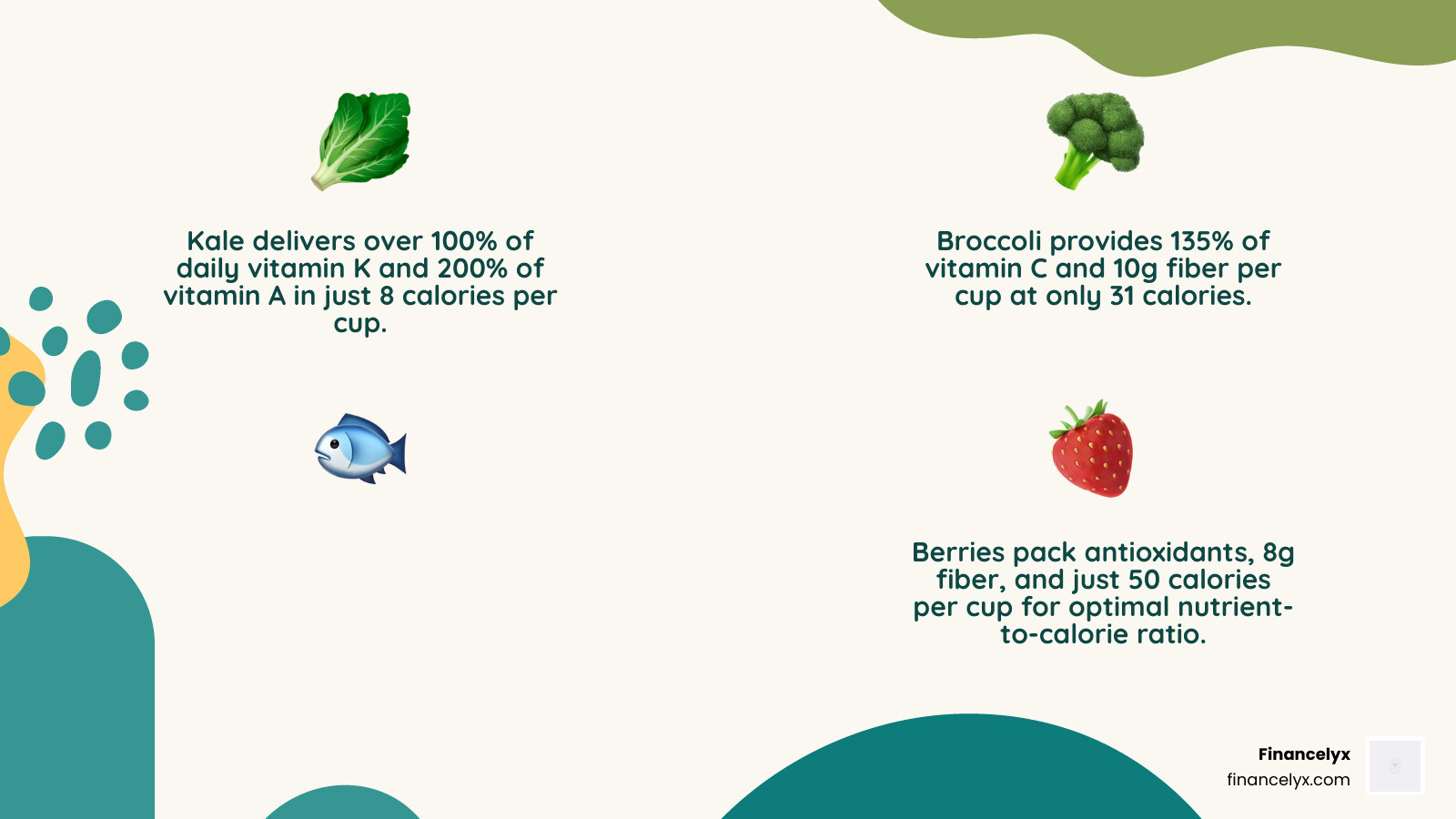
Foods like kale (just 8 calories per cup), broccoli (31 calories per cup), and salmon pack an enormous amount of nutrition relative to their calorie load. According to Harvard Health, this approach helps you meet your body’s needs without taking in unnecessary energy.
The good news: building this kind of eating pattern doesn’t require hours in the kitchen or a nutrition degree. It just takes a clear structure and a few smart habits.
Nutrient-dense meal plan glossary:
Defining the Nutrient-Dense Meal Plan: Why Quality Over Quantity Matters
When we talk about a nutrient-dense meal plan, we are shifting the focus from “how much can I eat?” to “how well can I fuel?” In nutrition, calories are simply units of energy. However, not all units are created equal. A 100-calorie pack of cookies provides energy but offers almost nothing in the way of cellular repair or immune support. In contrast, 100 calories of blueberries provides fiber, Vitamin C, and a host of phytochemicals.
Phytochemicals, such as beta-carotene and lycopene, are natural compounds found in plants that help reduce the risk of chronic diseases. By prioritizing these, we move away from “empty calories”—foods that provide energy without vitamins or minerals. According to the FDA, a food is considered “low-calorie” if it contains 40 calories or less per serving. For a main dish to be considered low-calorie, it should stay under 120 calories per 100 grams.
Adopting this lifestyle is a powerful tool for chronic disease prevention. Research from institutions like Mount Sinai suggests that a mindful approach to eating can improve mood, energy, and long-term health. If you’ve struggled with traditional dieting, understanding the secret to low-calorie success often lies in this very transition: eating more food (volume) for fewer calories while maximizing the nutrient hit.
Scientific research on nutrient density and health indicates that those who follow a nutrient-dense meal plan are more likely to maintain a healthy weight because high-fiber and high-protein foods naturally suppress ghrelin (the hunger hormone) and boost satiety.
Essential Building Blocks for Your Daily Menu
To build a successful nutrient-dense meal plan, we need to focus on three pillars: lean proteins, complex carbohydrates, and healthy fats. We want every ingredient on our plate to earn its keep.
Lean proteins are the workhorses of repair. We recommend aiming for 3–6 oz portions of protein per meal. Complex carbohydrates, unlike their refined counterparts (white bread or sugary cereals), provide a slow release of energy and are packed with fiber. Healthy fats, like those found in avocados and extra virgin olive oil (EVOO), are essential for absorbing vitamins A, D, E, and K.
Top Fruits and Vegetables for a Nutrient-Dense Meal Plan
Vegetables are the “free” players in our meal plan—you can eat them in abundance because their nutrient-to-calorie ratio is off the charts.
- Leafy Greens: Kale and Swiss chard are the heavyweights here. Kale contains only 8 calories per cup, while Swiss chard sits at a mere 7 calories. They are loaded with Vitamin K, which is essential for bone health.
- Cruciferous Vegetables: Broccoli (31 calories per cup) and Brussels sprouts are famous for their cancer-protective properties.
- Berries: Strawberries (25 calories per 1/2 cup) and blueberries provide antioxidants without a massive sugar spike.
- Microgreens: These are our favorite “secret weapon” at Financelyx. Despite their tiny size, they can contain up to 40 times the nutrient concentration of their mature counterparts. Learning how microgreens can boost your brain and heart health is a game-changer for anyone looking to optimize their nutrition in small, manageable bites.
Powerhouse Proteins and Grains
Protein and grains provide the structure and stamina for our day. Here are the top performers we include in our menus:
- Salmon: Rich in Omega-3 fatty acids, salmon supports heart health and reduces inflammation.
- Quinoa: This is a gluten-free “super grain.” It’s a complete protein, meaning it contains all nine essential amino acids. At 120 calories per 100g (cooked), it’s a much more nutritious swap for white rice.
- Greek Yogurt: Plain, low-fat Greek yogurt offers about 73 calories per 100g and is an excellent source of probiotics and protein.
- Legumes: Lentils and chickpeas are fiber-rich powerhouses. Pro tip: Always rinse canned beans to reduce sodium by up to 40%.
| Food Item | Calories (per 100g/serving) | Key Nutrient |
|---|---|---|
| Cod (Seafood) | 84 cal | Lean Protein |
| Chicken Breast | 122 cal | B-Vitamins |
| Quinoa (Cooked) | 120 cal | Fiber & Protein |
| Oatmeal (Cooked) | 71 cal | Beta-glucan (Fiber) |
| Greek Yogurt | 73 cal | Calcium & Probiotics |
For those busy afternoons, having a list of 22 high-protein snacks to keep you full all day! ensures you don’t reach for the vending machine. We also love the best lean chicken preps to help you shed pounds because chicken is incredibly versatile for batch cooking.
Structuring Your 7-Day Plan for Maximum Energy
Creating a nutrient-dense meal plan isn’t about eating the same thing every day; it’s about creating a repeatable framework. We often start our clients on an 1,800-calorie base. This level is generally sustainable for active adults and provides enough “room” to hit all micronutrient targets.
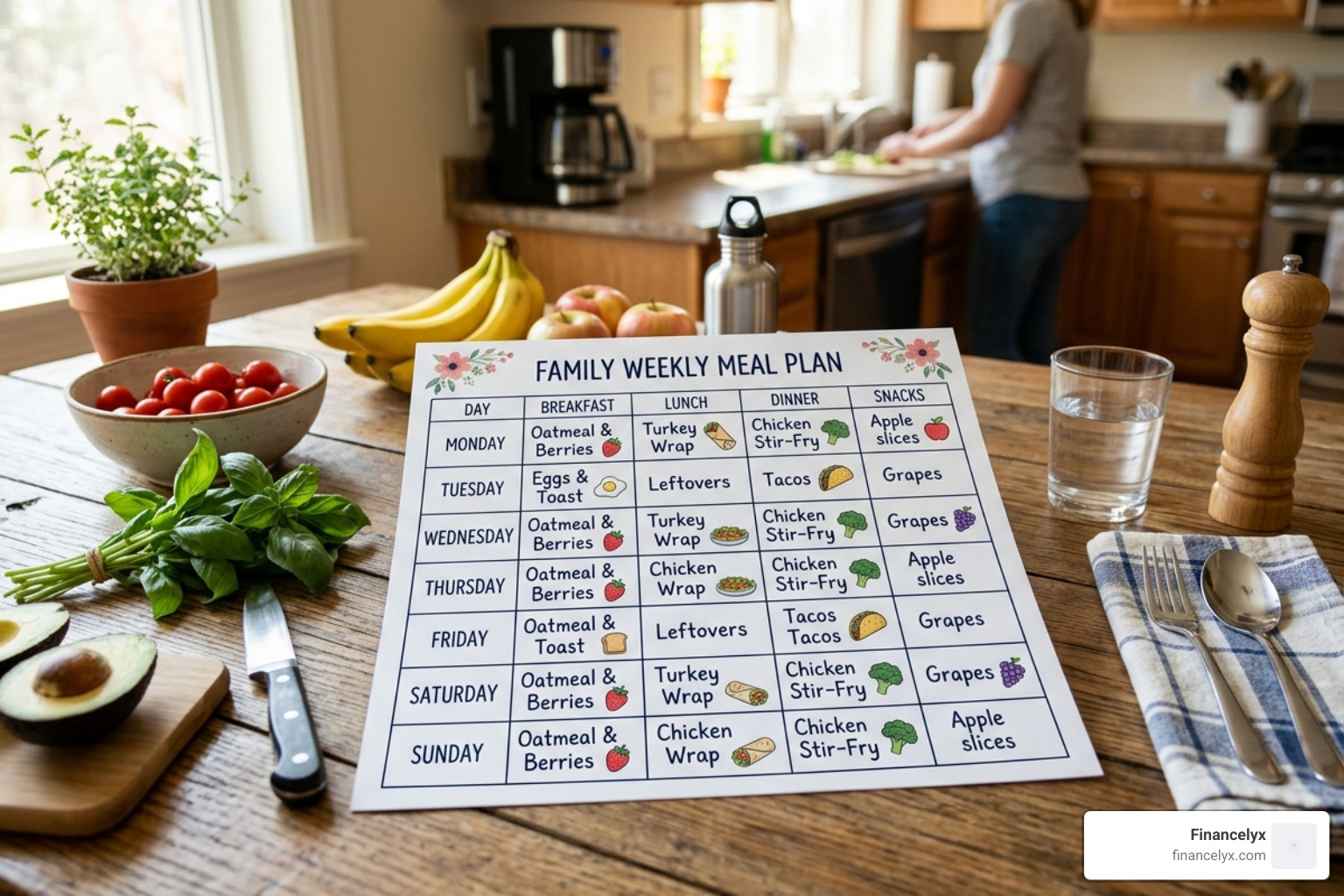
Our structure focuses on an anti-inflammatory approach, heavily inspired by Mediterranean principles. This means lots of plants, healthy fats, and seafood, while limiting red meat and added sugars. When you meal prep your way to better health, you remove the “decision fatigue” that often leads to poor food choices on a Wednesday night.
Sample Daily Menus for Sustained Performance
To give you an idea of how this looks in the real world (specifically in April 2026!), here is a sample day that totals roughly 1,800 calories:
- Breakfast: High-protein overnight oats with raspberries, almond butter, and a sprinkle of chia seeds. (Approx. 440 calories).
- Lunch: A Mediterranean “Power Bowl” with 1 cup of cooked quinoa, 4 oz grilled chicken, 2 cups of baby spinach, sliced cucumbers, and a dollop of hummus. (Approx. 500 calories).
- P.M. Snack: One apple with 1 tablespoon of peanut butter or a small cup of Greek yogurt. (Approx. 150-200 calories).
- Dinner: 5 oz baked salmon seasoned with lemon and garlic, served with a large portion of roasted Brussels sprouts and half a sweet potato. (Approx. 550 calories).
- Evening Treat: Two squares of dark chocolate (at least 70% cacao). (Approx. 100 calories).
For more inspiration, check out the ultimate guide to nutritious breakfasts and immune-boosting snacks.
Pre- and Post-Workout Nutrition in a Nutrient-Dense Meal Plan
If you are active, your nutrient-dense meal plan needs to account for timing.
- Pre-Workout: You need easily digestible carbohydrates to top off your glycogen stores. A banana or a slice of whole-grain toast with a little honey is perfect 30–60 minutes before exercise.
- Post-Workout: This is the “recovery window.” You need amino acids from protein to repair muscle tissue and carbohydrates to replenish energy. A smoothie with whey or plant protein, spinach, and frozen berries is an excellent choice.
Using clean eating snacks to fuel your day can help bridge the gap between your workout and your next full meal, preventing that post-gym “hanger” that leads to overeating.
Mastering Meal Prep and Overcoming Common Challenges
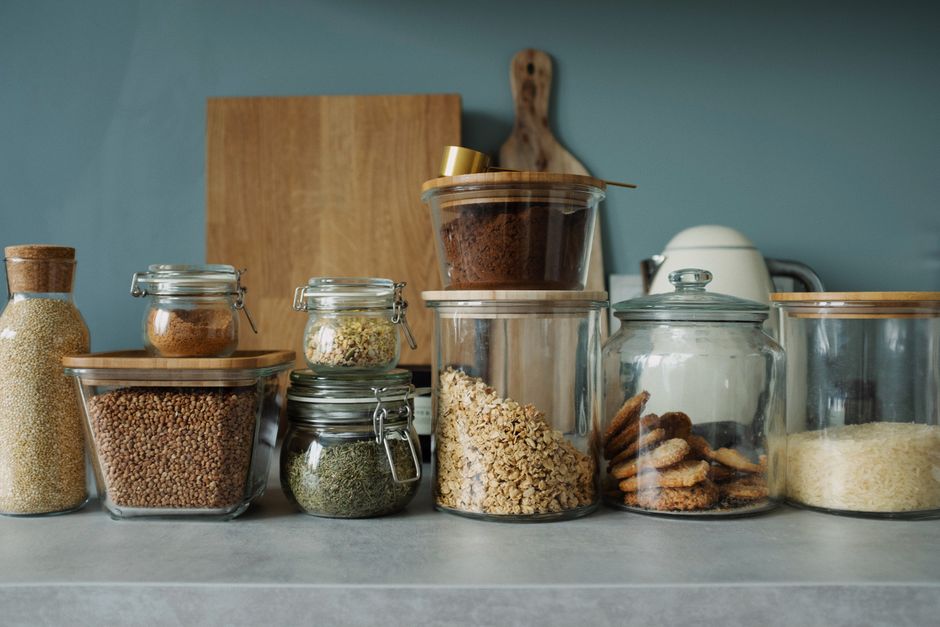
The biggest hurdle to a nutrient-dense meal plan is time. That’s why we advocate for “batch cooking.” Instead of cooking one chicken breast, cook five. Instead of boiling one cup of quinoa, boil a large pot.
Smart Prep Tips:
- Rinse and Chop: As soon as you get home from the store, wash your greens and chop your peppers. You are much more likely to eat them if they are ready to go.
- Portion Control: Use glass containers to pre-portion your lunches. This prevents the “grazing” that can add hundreds of unintended calories.
- Sodium Reduction: Use herbs, spices, lemon juice, and garlic for flavor instead of salt. This keeps your blood pressure in check and reduces bloating.
- Texture Matters: Keep “wet” ingredients (like dressing or tomatoes) separate from “dry” ingredients (like greens or nuts) until you are ready to eat to maintain that fresh crunch.
You can save time and money with these 3 batch cooking methods, which we’ve found to be the most effective way to stay consistent.
Budget-Friendly Strategies for Superfoods
There is a common myth that eating a nutrient-dense meal plan is expensive. While fresh, organic salmon can be pricey, there are many ways to eat like a “gourmet” on a budget.
- Frozen Produce: Frozen spinach, berries, and broccoli are often more nutrient-dense than fresh ones because they are flash-frozen at peak ripeness. They are also significantly cheaper.
- Bulk Grains: Buy quinoa, brown rice, and lentils in the bulk section.
- Canned Proteins: Canned tuna and salmon are excellent, affordable sources of protein and Omega-3s. Just look for options packed in water rather than oil.
- Grow Your Own: Even a small windowsill can host a tray of microgreens or herbs.
For more tips on eating well without breaking the bank, read the broke gourmet’s guide to budget-friendly meal prep.
Frequently Asked Questions about Nutrient-Dense Eating
What is the difference between low-calorie and nutrient-dense foods?
Low-calorie simply means the food doesn’t provide much energy. Diet soda is low-calorie, but it provides zero nutrients. Nutrient-dense foods provide a high volume of vitamins, minerals, and phytonutrients relative to their calorie count. Our goal is to find the overlap: foods that are both relatively low in calories and extremely high in nutrients (like spinach or berries).
Can I follow a nutrient-dense plan on a vegetarian or gluten-free diet?
Absolutely. For vegetarians, the focus shifts to legumes, eggs, Greek yogurt, and soy-based proteins like tofu or tempeh. For those who are gluten-free, quinoa, brown rice, and sweet potatoes become the primary complex carbohydrate sources. The principles of high fiber and high protein remain the same regardless of these restrictions.
Why are 1,200-calorie plans often discouraged by modern health experts?
In the 2026 landscape of nutrition, we’ve moved away from the 1,200-calorie “standard.” The 2020-2025 and updated 2025-2030 Dietary Guidelines suggest that 1,200 calories is simply too low for most adults to meet their basic micronutrient needs. It often leads to muscle loss, a slowed metabolism, and is generally unsustainable, leading to the “yo-yo” effect. We prefer starting at 1,500–1,800 calories to ensure you feel energized and satisfied.
Conclusion
At Financelyx, we believe that your kitchen should be your primary tool for wellness. Transforming your health doesn’t require a radical overhaul overnight; it starts with a single nutrient-dense meal plan and a commitment to quality.
Our resident expert, Elena Monroe, always emphasizes that flavor and nutrition should go hand-in-hand. By integrating superfoods like microgreens into your daily snacks and anchoring your meals with lean proteins and colorful vegetables, you create a sustainable lifestyle rather than a temporary fix.
The goal isn’t perfection—it’s consistency. Start by swapping one refined carb for a complex one, or adding a handful of greens to your morning smoothie. These small shifts compound into a lifetime of better health.
Ready to take the next step? Start your journey to better health with Financelyx and explore our library of expert-led guides designed to make healthy eating the easiest part of your day.
