
Why Broccoli Microgreens Are the Ultimate Vitamin Powerhouse
Broccoli Microgreens Are One of the Most Nutrient-Dense Foods You Can Eat
The benefits of broccoli microgreens go far beyond what most people expect from a tiny garnish. These small greens pack a serious nutritional punch — often containing up to 40 times more sulforaphane than full-grown broccoli florets, plus concentrated levels of vitamins C, E, and K.
Here’s a quick look at the key benefits:
- Antioxidant support — Among five Brassica microgreens tested, broccoli ranked highest in antioxidant activity
- Anti-inflammatory effects — Sulforaphane activates the Nrf2 pathway, which helps reduce inflammation at the cellular level
- Blood sugar regulation — Daily sulforaphane intake reduced fasting blood sugar by up to 6.5% in a 12-week study of adults with Type 2 diabetes
- Cardiovascular health — Animal studies show protection against heart oxidative stress
- Cancer prevention support — 3-day-old broccoli sprouts slowed and reduced tumor development in animal studies
- Immune support — Rich in vitamin C, polyphenols, and glucosinolates that support immune cell function
- Gut health — Sulforaphane exhibits antibacterial activity against Helicobacter pylori and supports microbiome diversity
Broccoli has always had a strong reputation as a health food. But the microgreen stage — harvested just 7 to 21 days after germination — is when many of its key compounds are at their peak concentration.
The reason comes down to a single powerful molecule: sulforaphane. It’s formed when glucoraphanin (naturally present in the plant) meets an enzyme called myrosinase — which gets activated the moment you chew or chop the greens. At the microgreen stage, glucoraphanin levels can be 10 to 100 times higher than in mature broccoli florets.
That means a small handful on your salad or in your smoothie delivers a lot more than it looks.
Common benefits of broccoli microgreens vocab:
- Benefits of arugula microgreens
- Health benefits of radish microgreens
What Are Broccoli Microgreens?
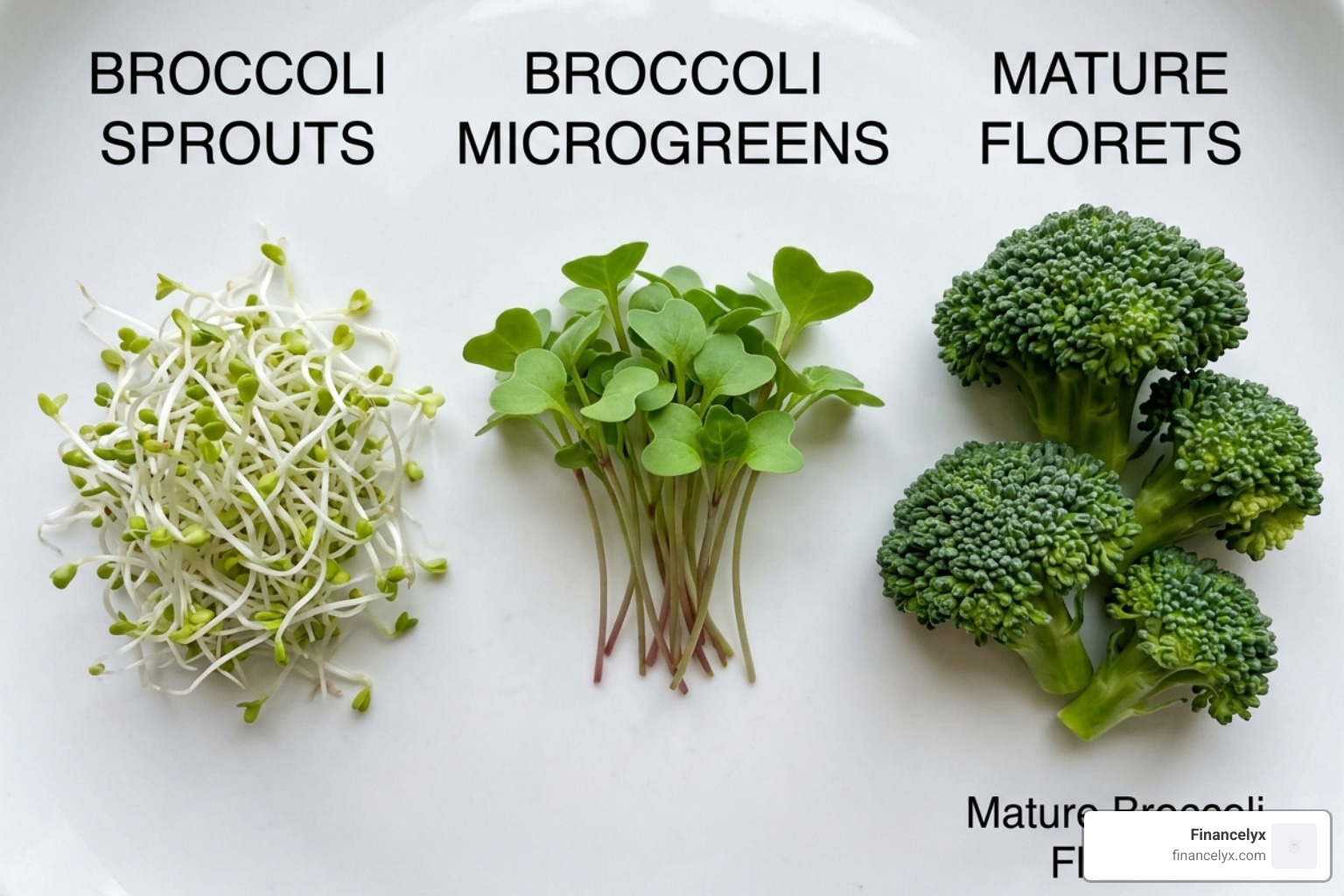
When we talk about broccoli microgreens, we aren’t just talking about “baby broccoli.” These are the young, edible seedlings of the Brassica oleracea plant. Think of them as the “teenage” phase of the vegetable. They are older than sprouts (which are just a few days old and grown in the dark) but younger than baby greens.
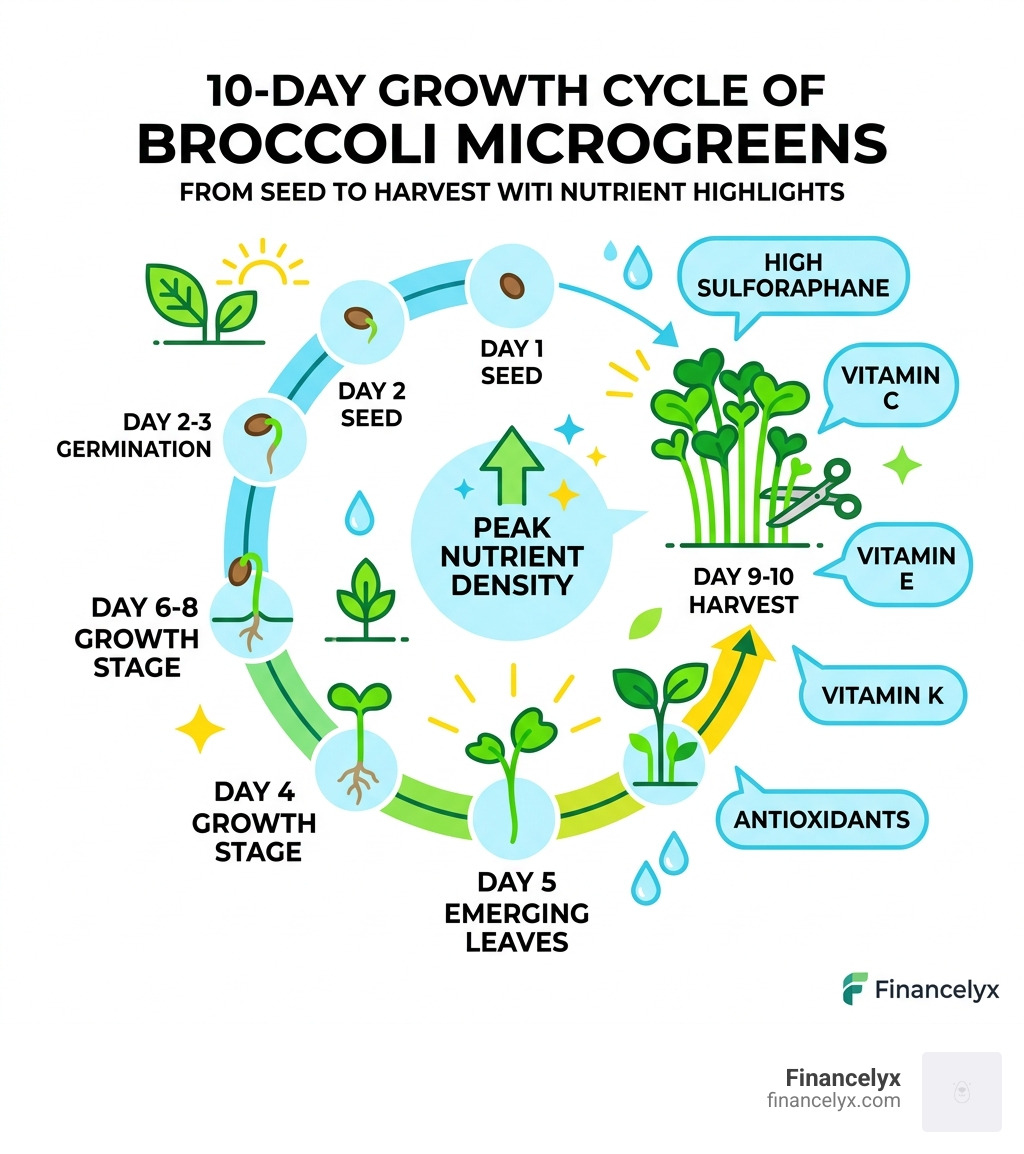
We typically harvest these tiny powerhouses when they reach about 2 to 3 inches in height, usually 7 to 21 days after germination. At this stage, they have developed their first set of “true leaves” and are absolutely bursting with the energy the plant needs to grow into a massive head of broccoli. Because all that potential is packed into such a tiny frame, Broccoli Microgreens Are The Ultimate Superfood Topping for anyone looking to maximize their nutrient intake without eating giant bowls of fiber.
The Science Behind the Benefits of Broccoli Microgreens
The “secret sauce” of these greens lies in a compound called glucoraphanin. While glucoraphanin itself is inert, it is the precursor to sulforaphane, one of the most researched phytonutrients in modern science. When we chew these microgreens, we break the plant’s cell walls, allowing the enzyme myrosinase to convert glucoraphanin into active sulforaphane.
This process is vital because sulforaphane is a potent activator of the Nrf2 pathway. In simple terms, Nrf2 is like a master switch for our body’s antioxidant response. It tells our cells to start producing their own protective enzymes to fight off oxidative stress and environmental toxins. Scientific reviews, such as Bioactive Compounds and Bioactivities of Brassica oleracea L. var. Italica Sprouts and Microgreens: An Updated Overview from a Nutraceutical Perspective, highlight that these seedlings can have a 10-fold increase in health-promoting phytochemicals compared to the mature plants we see in the grocery store.
Nutritional Concentration vs. Mature Broccoli
It is almost hard to believe how much nutrition is tucked away in these delicate stems. When we compare them to the mature florets we usually steam for dinner, the numbers are staggering. For example:
- Vitamin E: Broccoli microgreens provide about 24.1 mg per 100g, which is a whopping 160% of your RDA.
- Vitamin C: You can get between 60% and 90% of your daily Vitamin C from a 100g serving.
- Vitamin K: These greens contain roughly 85% of the RDA for Vitamin K, essential for bone health and blood clotting.
- Vitamin A: Some studies suggest they contain up to 34 times more Vitamin A than mature broccoli.
By choosing to Eat Your Tiny Veggies For A Healthier Life, we are essentially taking a high-potency multivitamin in whole-food form. They also contain significant amounts of minerals like iron, calcium, magnesium, and potassium, often in ratios that are much easier for our bodies to absorb.
6 Powerful Health Benefits of Broccoli Microgreens
Now that we know what they are, let’s dive into why we should be eating them every day. Beyond just “being healthy,” the benefits of broccoli microgreens extend into specific therapeutic areas.
Research has shown that among various Brassica microgreens, broccoli often comes out on top for antioxidant capacity. This high antioxidant levels help neutralize free radicals, which are the unstable molecules that contribute to aging and disease. By incorporating these greens, we can effectively boost our brain and heart health by reducing the chronic inflammation that often leads to cognitive decline and cardiovascular issues.
Cancer Prevention and Cellular Support
One of the most exciting areas of research involves cancer prevention. While we are still learning how these compounds work in humans, animal studies have been incredibly promising. For instance, 3-day-old broccoli sprouts were found to be effective at slowing and reducing the number of tumors after exposure to carcinogens.
Sulforaphane helps the body’s “Phase II” detoxification enzymes. These enzymes are responsible for processing and eliminating harmful substances before they can damage our DNA. According to Broccoli Microgreens: A Mineral-Rich Crop That Can Diversify Food Systems – PMC, these greens are not just a garnish; they are a mineral-rich crop that could help address global malnourishment and provide a natural defense against cellular damage.
Cardiovascular and Metabolic Benefits of Broccoli Microgreens
If you are managing blood sugar or concerned about heart health, these greens are a must-have. In a 12-week study involving people with Type 2 diabetes, consuming sulforaphane from broccoli sprouts helped reduce blood sugar levels by as much as 6.5%. That is a significant move for a dietary intervention!
Furthermore, these microgreens support the heart by:
- Improving Cholesterol: Lab studies show red cabbage and broccoli microgreens can help reduce LDL (bad) cholesterol and triglycerides.
- Reducing Blood Pressure: The plant-based nitrates found in these greens help relax blood vessels, improving circulation.
- Protecting Arteries: By activating the Nrf2 pathway, sulforaphane prevents endothelial cells (the lining of your blood vessels) from triggering inflammation, which is a key step in preventing heart disease.
How to Grow and Prepare Your Vitamin Powerhouse
The best part about the benefits of broccoli microgreens is that you don’t have to wait for a farmer’s market to enjoy them. We can grow them right on our kitchen counters! It is an incredibly sustainable way to eat because they require roughly 158 to 236 times less water than mature broccoli to produce an equivalent amount of nutrition.

To get started, you’ll need:
- High-quality organic broccoli seeds.
- A shallow tray or container.
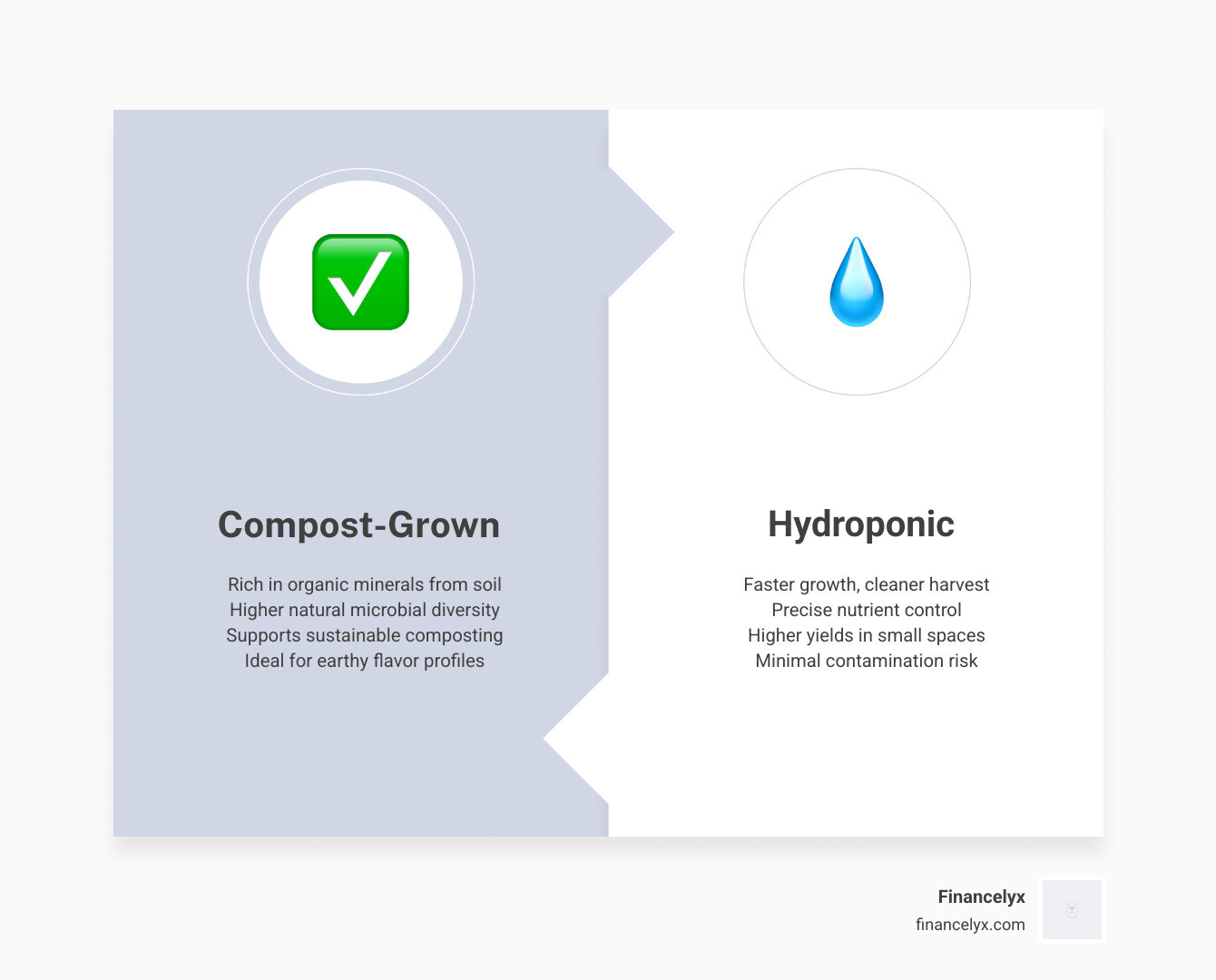
- A growing medium (like soil or a coco coir mat).
- A light source (a sunny windowsill or a simple LED grow light).
Keep the medium consistently moist but not soggy. In about 7 to 10 days, you’ll see the first true leaves appear, and that is your signal to harvest! If you want to skip the dirt, check out The Ultimate Guide To Growing Broccoli Microgreens Without Soil for a cleaner home setup.
Best Ways to Incorporate Microgreens into Meals
To get the absolute most out of the benefits of broccoli microgreens, we recommend eating them raw. Heat can damage the myrosinase enzyme, which is necessary to create that all-important sulforaphane. If you do want to cook them, try steaming them very lightly (below 250 degrees Fahrenheit) or adding them to your dish at the very last second.
Here are some of our favorite ways to use them:
- Smoothies: Blend a handful with spinach, apple, and ginger for a morning detox boost.
- Salad Garnish: Toss them on top of any salad for a fresh, peppery crunch.
- Sandwiches and Wraps: Use them in place of boring iceberg lettuce for a massive nutrient upgrade.
- Avocado Toast: Sprinkle them over mashed avocado with a squeeze of lemon and a pinch of sea salt.
For more inspiration, we’ve put together The Ultimate Guide To Cooking With Nutrient Dense Microgreens to help you turn these tiny greens into gourmet meals.
Frequently Asked Questions about Broccoli Microgreens
Are broccoli microgreens more nutritious than mature broccoli?
Yes, by a long shot! While mature broccoli is still great for you, microgreens are much more concentrated. They can contain anywhere from 4 to 40 times the nutrients of mature plant leaves. Specifically, the levels of glucoraphanin (the sulforaphane precursor) can be 10 to 100 times higher in the seedling stage. This means you can eat a small handful of microgreens and get the same “medicine” as eating several pounds of cooked broccoli.
How much sulforaphane is in broccoli microgreens?
Broccoli microgreens are one of the highest natural sources of sulforaphane on the planet. They typically contain up to 40 times more sulforaphane than full-grown florets. The concentration actually peaks right around the 10-to-14-day mark, which is exactly when most home growers harvest them. Just remember that sulforaphane is heat-sensitive, so keep those greens fresh and raw whenever possible.
Are there any risks to eating raw microgreens?
Like any raw produce, there is a small risk of bacterial contamination (like E. coli or Salmonella) if they are grown in unsanitary conditions. To stay safe, always use clean equipment and fresh water. We also recommend rinsing your microgreens gently in cold water and patting them dry right before you eat them. If you have a thyroid condition, you might want to consult your doctor, as cruciferous vegetables contain goitrogens, though the amounts in a typical serving of microgreens are generally considered safe for most people.
Conclusion
As we look toward our health goals for April 2026, it is clear that small changes can lead to massive results. At Financelyx, we believe that healthy eating shouldn’t be a chore. Our expert writers, like Elena Monroe, are dedicated to bringing you nutrient-dense, flavorful recipe ideas that make “superfoods” feel like a treat rather than a prescription.
Broccoli microgreens are truly the ultimate vitamin powerhouse. They are sustainable, easy to grow at home, and offer a level of cellular protection that few other foods can match. Whether you are looking to support your immune system, protect your heart, or just add some vibrant color to your dinner plate, these tiny greens are the answer.
Ready to dive deeper into functional foods? Check out more info about healthy nutrition and research on our main health portal!
