
Why Microgreens Belong in Every Salad You Make
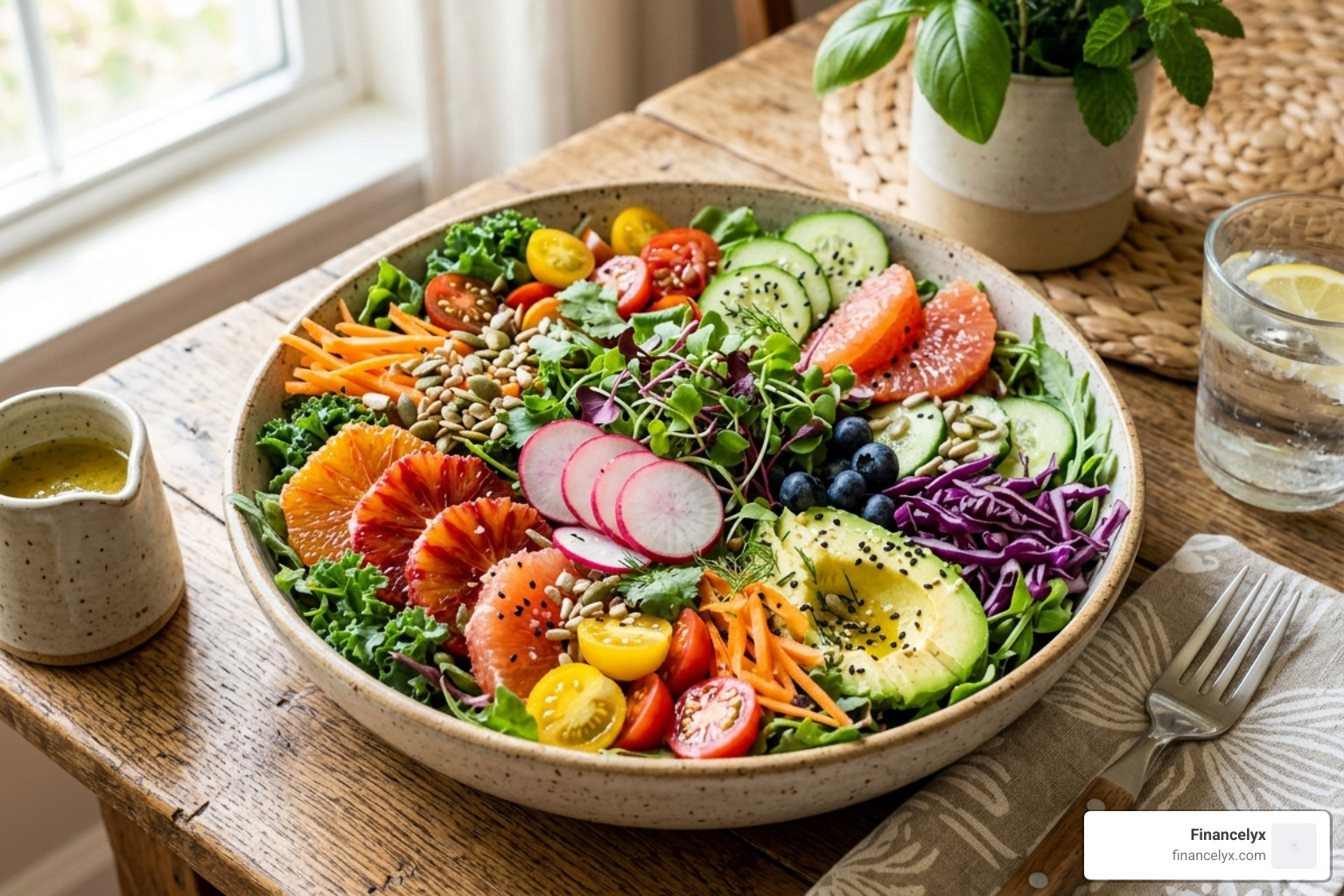
Microgreens for salads are one of the easiest ways to pack serious nutrition into a simple meal — no complicated cooking required.
Here are the most popular microgreens to use in salads and what makes each one worth trying:
| Microgreen | Flavor | Best Paired With |
|---|---|---|
| Radish | Peppery, spicy | Lemon vinaigrette, avocado |
| Pea shoots | Sweet, mild | Fruit, light dressings |
| Sunflower | Nutty, crunchy | Balsamic, feta, walnuts |
| Broccoli | Earthy, mild | Shallot dressing, tomatoes |
| Arugula | Bold, peppery | Olive oil, citrus |
| Red cabbage | Mild, slightly sweet | Honey mustard, nuts |
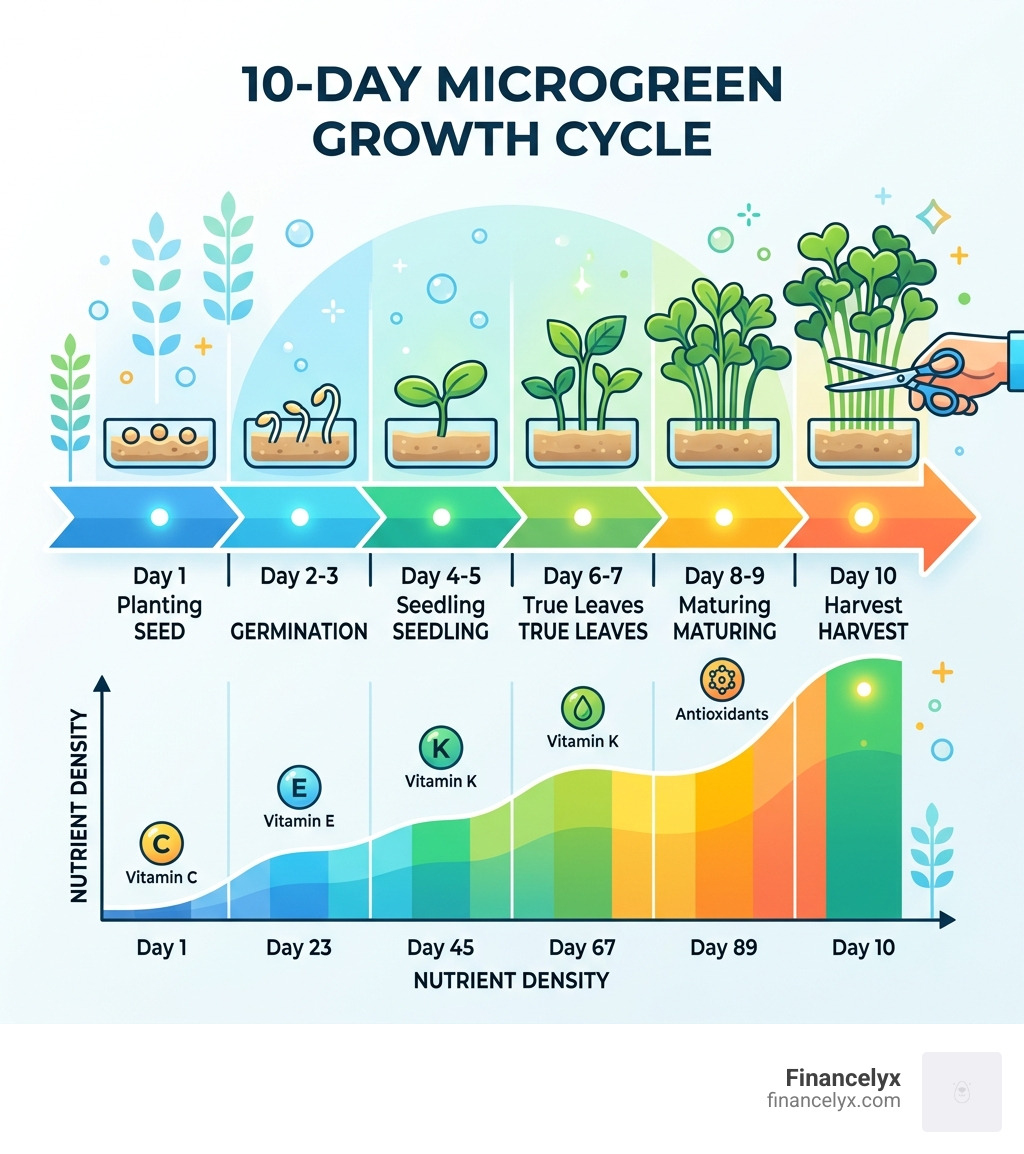
These tiny greens are harvested just 7–14 days after planting. Despite their small size, they can contain up to 40 times more vitamins than fully grown vegetables — especially vitamins C, E, and K.
Think of them as a concentrated dose of nutrition hiding in a small, flavorful package.
They work beautifully in salads, but also shine on toast, pizza, sandwiches, and more. This guide covers all of it — recipes, growing tips, dressings, and storage.
Simple guide to microgreens for salads:
Why Microgreens for Salads are the Ultimate Superfood
When we talk about “superfoods,” we often think of exotic berries or expensive powders. However, as of April 2026, the humble microgreen has taken center stage in the health and wellness world. At Financelyx, we believe that the best nutrition comes from the simplest sources. Microgreens for salads aren’t just a garnish; they are a nutritional powerhouse that can transform your health.
Scientific research consistently shows that microgreens are significantly more nutrient-dense than their mature counterparts. While a head of broccoli is certainly healthy, its microgreen version can contain up to 40 times more vitamins C, E, and K. These tiny leaves are also brimming with polyphenols and glucosinolates—compounds known for their anti-inflammatory and antioxidant properties. For instance, red cabbage microgreens are particularly famous for their high levels of antioxidants, which help protect our cells from damage.
To understand why these are so special, we have to look at how they differ from other greens we commonly find in the produce aisle.
Comparing Greens: Microgreens vs. Sprouts vs. Mature Greens
It is a common mistake to use these terms interchangeably, but they are quite different in growth and nutrition.
| Feature | Microgreens | Sprouts | Mature Greens |
|---|---|---|---|
| Growth Medium | Soil or substrate | Water only | Soil |
| Harvest Time | 7–14 days | 2–5 days | 40–60+ days |
| Parts Eaten | Stem and first leaves | Seed, root, and stem | Leaves, stems, and fruits |
| Nutrient Density | Extremely High (Concentrated) | High | Standard |
| Flavor Profile | Intense and varied | Mild and crunchy | Developed and fibrous |
Flavor Profiles of Popular Microgreens for Salads
One of the reasons we love using microgreens for salads is the sheer variety of flavors they offer. They aren’t just “green” tasting; they can be spicy, sweet, nutty, or earthy.
- Arugula Microgreens: If you think regular arugula is bold, wait until you try the micro version. Why Arugula Microgreens Are The Tiny Superheroes Your Salad Needs is a question answered by their intense, peppery kick that adds immediate depth to any bowl.
- Sunflower Microgreens: These are the “crunch” kings of the microgreen world. Sunflower Microgreens Make Every Salad Better because they offer a thick, succulent texture and a nutty flavor that reminds us of fresh sunflower seeds.
- Radish Microgreens: These provide a sharp, spicy bite similar to a full-grown radish but in a delicate, leafy form. They are perfect for waking up a “tired” salad.
- Pea Shoots: These are surprisingly sweet and taste exactly like fresh snow peas. They are excellent for those who prefer a milder, more refreshing salad base.
- Broccoli Microgreens: While they have a mild, earthy taste, they are perhaps the most famous “superfood” topping. Broccoli Microgreens Are The Ultimate Superfood Topping due to their incredibly high sulforaphane content.
5 Creative Ways to Use Microgreens (Beyond the Bowl)
While we are huge fans of microgreens for salads, these tiny greens are far too versatile to be kept in a bowl all day. At Financelyx, we want to help you integrate these nutrients into every part of your lifestyle. If you’ve ever wondered How To Use Microgreens In Every Single Meal, here are five creative ways to start.

1. The Ultimate Pizza Topper
Instead of baking your greens into a soggy mess, try adding a handful of fresh microgreens to your pizza after it comes out of the oven. The residual heat softens them just enough to release their aroma without losing their crunch or nutritional integrity. Arugula or basil microgreens on a Margherita pizza are a game-changer.
2. Elevated Sourdough Toast
Move over, avocado toast—there’s a new topper in town. Layer your favorite spread (hummus, cream cheese, or smashed avocado) on a slice of toasted sourdough and pile it high with sunflower microgreens. The nuttiness of the greens complements the tang of the bread perfectly.
3. Nutrient-Boosted Smoothies
If you aren’t a fan of the texture of greens, you can still get the benefits. Add a cup of mild microgreens, like pea shoots or broccoli, into your morning fruit smoothie. Because they are so concentrated, you only need a small amount to get a massive vitamin boost, and the flavor is easily masked by berries or bananas.
4. Crunchy Sandwich Layers
Ditch the limp iceberg lettuce. Microgreens add a sophisticated “snap” to sandwiches and wraps. We love using radish microgreens in turkey sandwiches for a bit of heat, or kale microgreens in veggie wraps for added earthiness.
5. Vibrant Taco Garnishes
Tacos are the perfect canvas for color and spice. Instead of shredded cabbage, use a mix of radish and cilantro microgreens. Not only do they look beautiful for your “Taco Tuesday” photos, but they also provide a fresh, zesty finish that cuts through the richness of the meat or beans.
Pairing Dressings and Toppings with Microgreens for Salads
Because microgreens are delicate, they require a bit of finesse when it comes to dressings. A heavy, creamy ranch will flatten these tiny leaves and drown out their flavor. Instead, we recommend light, bright vinaigrettes.
Tiny Greens Big Dreams Microgreens Salad Ideas For Foodies often involve simple combinations:
- Lemon Vinaigrette: A mix of cold-pressed olive oil, fresh lemon juice, and a pinch of salt. This is the gold standard for peppery greens like arugula or radish.
- Balsamic Glaze: The sweetness of balsamic pairs beautifully with the nuttiness of sunflower microgreens.
- Shallot Dressing: Mincing a shallot with some white wine vinegar and mustard creates a sophisticated dressing that highlights the earthy notes of broccoli microgreens.
For toppings, think about contrast. Creamy avocado, salty feta cheese, crunchy walnuts, or sweet sliced peaches all create a “rainbow” effect on the plate that makes healthy eating feel like a luxury.
How to Grow and Prepare Fresh Microgreens
One of the best things about microgreens for salads is that you don’t need a farm to grow them. In fact, you don’t even need a backyard. You can grow a “winter’s worth” of salads right on your kitchen windowsill for a fraction of the cost of store-bought tubs.
Growing microgreens is a fast process—most varieties are ready to harvest in just 7 to 14 days. This quick turnaround makes it an excellent project for beginners or families. Beyond the fresh food, there are documented Scientific research on indoor gardening benefits that suggest keeping indoor plants can reduce stress and improve air quality.
Step-by-Step: Growing Your Own Microgreens for Salads
If you’re ready to start your own windowsill garden, follow this simple method we use at Financelyx:
- Prepare the Tray: Use a shallow container (about 1.5 to 2 inches deep) with drainage holes. Fill it with about 1 to 1.5 inches of high-quality seed-starting soil or a potting mix. Smooth the surface so it’s flat.
- Sow the Seeds: Sprinkle your seeds densely across the soil. For a standard 10×20 tray, you might use about an ounce of seeds. You want them to be close together, like a lush carpet, but not piled on top of each other.
- The Blackout Period: Lightly cover the seeds with a thin layer of soil (matching the seed’s diameter) and water gently with a spray bottle. Cover the tray with another tray or a dark cloth for 3–4 days. This “blackout” period mimics being underground and encourages the seeds to stretch up in search of light.
- Let There Be Light: Once you see sprouts, move the tray to a sunny windowsill or under a grow light. Water from the bottom if possible to keep the leaves dry and prevent mold.
- Harvest: When the first set of “true leaves” appears (usually at the 10-day mark), it’s time to harvest! Use clean scissors to snip the greens just above the soil line.
Sourcing and Storing Your Greens
If growing your own isn’t on your agenda today, you can find high-quality microgreens at farmers markets, local grocery stores (like Whole Foods or Costco), or specialty health food stores. Look for greens that are vibrant in color and appear crisp. Avoid anything that looks yellow, wilted, or has signs of moisture/mold in the container.
How to Store: Microgreens are fragile. To keep them fresh for up to 5 days:
- Keep them dry: Do not wash them until right before you eat them.
- Use paper towels: Place a dry paper towel in an airtight container to absorb any excess moisture.
- Refrigerate: Keep them in the coolest part of your fridge.
When you are ready to eat, give them a very gentle rinse in a colander and let them air dry. They are delicate, so treat them with care!
Frequently Asked Questions about Microgreens for Salads
Can I eat microgreens every day?
Absolutely! In fact, we encourage it. Eating microgreens for salads daily is a smart way to ensure you’re getting a broad spectrum of vitamins and minerals. Because they are so nutrient-dense, even a small handful can contribute to better digestion, natural detoxification, and a noticeable “skin glow.” We recommend rotating your varieties—maybe radish one week and pea shoots the next—to balance your nutrient intake.
What are the best substitutions for seasonal microgreens?
The beauty of microgreens is their “supply chain flexibility.” If you can’t find a specific variety, there is almost always a great substitute.
- No Red Cabbage? Try Red Tatsoi or Purple Kohlrabi.
- No Broccoli? Cauliflower or Kale microgreens offer a similar earthy flavor and health profile.
- No Arugula? Mustard greens provide that same peppery punch.
How do microgreens differ from standard sprouts?
The main difference is the growth stage and the medium. Sprouts are grown in water and harvested within days, often before leaves even form. You eat the whole thing—seed, root, and all. Microgreens are grown in soil, harvested after the first leaves develop, and you only eat the stems and leaves. This makes microgreens safer from a bacterial standpoint (as they aren’t sitting in warm water) and gives them a much more developed flavor and texture.
Conclusion
At Financelyx, our mission is to make healthy eating accessible, flavorful, and fun. Whether you are topping a pizza, layering a sandwich, or crafting the perfect microgreens for salads, these tiny plants offer an incredible return on investment for your health.
Expert writers like Elena Monroe are constantly looking for ways to bring these nutrient-dense ideas into your kitchen. By incorporating microgreens into your daily routine, you aren’t just following a trend—you’re adopting a high-impact habit that supports your long-term wellness.
Ready to dive deeper into superfoods? More info about microgreen services and our latest recipe guides are just a click away. Let’s make 2026 your healthiest year yet!
