
Why Nutrient Dense Vegan Foods Belong on Every Plate
Nutrient dense vegan foods are whole plant foods that pack a high amount of vitamins, minerals, protein, and fiber relative to their calorie count. Here are the top options to know:
| Food | Key Nutrients |
|---|---|
| Spirulina | Protein (60%+ by weight), iron, B vitamins |
| Lentils | ~18g protein per cooked cup, iron, folate |
| Kale & leafy greens | Calcium, vitamin K, vitamins A & C |
| Chia seeds | Omega-3s, ~5g protein per oz, fiber |
| Hemp seeds | 9g complete protein per oz |
| Quinoa | Complete protein, 8.1g per cooked cup |
| Nutritional yeast | ~16g protein per oz, often B12-fortified |
| Sweet potatoes | Beta-carotene, fiber, complex carbs |
| Berries | Antioxidants, vitamins, low sugar |
| Walnuts & nuts | Healthy fats, vitamin E, protein |
A lot of people assume plant-based eating means just getting by on nutrition. That’s not the case.
Some of the most nutrient-packed foods on the planet contain zero animal products. The challenge isn’t finding them — it’s knowing which ones to prioritize and how to fit them into a busy week.
The key concept here is nutrient density: how many nutrients a food delivers per calorie. A bag of chips and a handful of kale may have similar calories, but they’re worlds apart nutritionally.
According to a CDC-published study, foods providing 10% or more of the daily value of 17 key nutrients per 100 calories qualify as true “powerhouse” foods — and leafy greens, cruciferous vegetables, seeds, and legumes dominate that list.
The biggest pitfall? Relying on ultra-processed vegan foods — packaged snacks, mock meats, sweetened plant milks — that carry the vegan label but deliver little real nutrition. Whole foods come first.
Top 10 Nutrient Dense Vegan Foods for Maximum Vitality
When we talk about fueling our bodies, we aren’t just looking for “fullness.” We are looking for vitality. Choosing nutrient dense vegan foods ensures that every bite contributes to our long-term health, from heart function to glowing skin.
1. Spirulina
This blue-green algae might sound like something from a science fiction novel, but it is one of the most concentrated sources of nutrition on Earth. Spirulina is over 60% protein by weight and contains more antioxidants than almost any other food. Just two tablespoons can provide 8 grams of protein. While the taste can be “earthy,” we love blending it into fruit smoothies or hiding it in raw energy bites to mask the flavor.
2. Watercress
According to a landmark study on powerhouse fruits and vegetables, watercress actually topped the list with a perfect nutrient density score of 100. It is incredibly high in vitamin K, vitamin C, and vitamin A. It adds a peppery kick to salads and sandwiches, proving that the most powerful foods often come in the smallest packages.
3. Kale
Kale has become the poster child for healthy eating for a reason. It is packed with minerals, fiber, and antioxidants that help reduce inflammation. One of our favorite tips is to use “baby kale” if you find the mature leaves too tough; it’s much more palatable in salads but keeps that incredible nutritional profile.
4. Hemp Seeds
Hemp seeds are a nutritional “triple threat.” They contain 9 grams of complete, easily digestible protein per ounce, along with a perfect balance of omega-3 and omega-6 fatty acids. They are also rich in vitamin E and magnesium. We recommend keeping a jar in the fridge and sprinkling them over everything from oatmeal to avocado toast.
5. Nutritional Yeast
Often called “nooch” by the vegan community, this deactivated yeast is a savory powerhouse. One ounce contains approximately 16 grams of protein and 6 grams of fiber. Most brands are fortified with vitamin B12, making it an essential staple for anyone avoiding animal products. It has a cheesy, nutty flavor that works perfectly on popcorn or roasted vegetables.
6. Chia Seeds
These tiny seeds can absorb up to 10 times their weight in liquid, making them great for hydration and digestion. Two tablespoons pack nearly 10 grams of fiber and 5 grams of protein. They are also one of the best plant sources of alpha-linolenic acid (ALA), a type of omega-3 fatty acid.
7. Quinoa
Quinoa is technically a “pseudocereal” (a seed used like a grain). It is one of the few plant foods that qualify as a complete protein, containing all nine essential amino acids. With 8.1 grams of protein per cooked cup, it’s a much more nutrient-dense choice than white rice or pasta.
8. Berries
Blueberries, raspberries, and strawberries are packed with polyphenols and anthocyanins. They tend to be lower in sugar than other fruits, making them an ideal way to satisfy a sweet tooth while loading up on vitamins and minerals.
9. Sweet Potatoes
Sweet potatoes are a win-win: they are a comfort food that doubles as a nutritional powerhouse. They are loaded with beta-carotene (which our bodies convert to vitamin A), fiber, and potassium. Interestingly, boiling sweet potatoes helps minimize the blood sugar rise compared to baking them.
10. Lentils
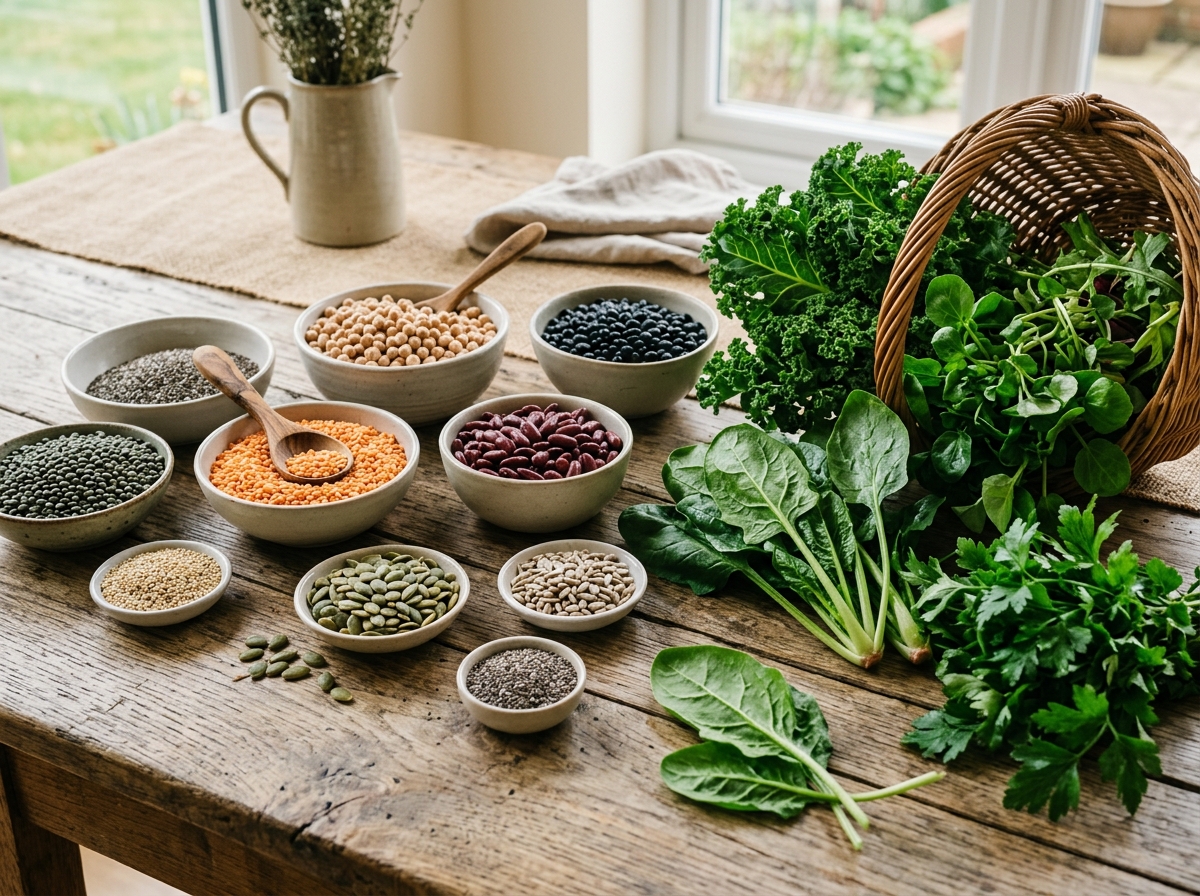
Lentils are the ultimate budget-friendly superfood. They provide about 18 grams of protein per cooked cup and are rich in iron and folate. They are incredibly versatile and can even mimic the texture of ground meat in tacos or stews.
For an even more concentrated boost, many health enthusiasts are Unlocking the Nutritional Powerhouse of Microgreens. These tiny greens can contain up to 40 times the nutrient density of their mature counterparts!
Essential Nutrients and Their Plant-Based Sources
Meeting your daily requirements on a vegan diet is entirely possible, but it does require a bit of strategy. We need to focus on specific “nutrients of concern” that are typically found in animal products.
| Staple Food (1 Cup Cooked) | Protein (g) | Fiber (g) |
|---|---|---|
| Lentils | 18 | 15.6 |
| Chickpeas | 14.5 | 12.5 |
| Quinoa | 8.1 | 5.2 |
| Black Beans | 15.2 | 15 |
| Spelt | 10.7 | 7.6 |
Complete Proteins
A “complete” protein contains all nine essential amino acids our bodies cannot make on their own. While many plant foods are “incomplete,” we can easily get everything we need by eating a variety of foods throughout the day. Quinoa, soy (tofu/tempeh), buckwheat, and hemp seeds are all complete plant proteins.
Iron and Zinc
Vegans often have higher iron intakes than meat-eaters because plant sources like pulses, whole grains, and dark leafy greens are so plentiful. However, plant-based (non-heme) iron is absorbed less efficiently. To fix this, always pair your iron-rich foods with vitamin C (like a squeeze of lemon on your spinach). Zinc is found in seeds, nuts, and legumes, though absorption can be lower due to “antinutrients” like phytates.
Vitamin B12, D, and Iodine
Vitamin B12 is the only nutrient that cannot be reliably obtained from unfortified plant foods. We must rely on fortified milks, nutritional yeast, or a high-quality supplement. Similarly, vitamin D is hard to get from food alone; most of us need sunlight or a supplement, especially in winter. Iodine can be found in seaweed, but since levels vary, a supplement or iodized salt is often recommended.
Omega-3 Fatty Acids and Choline
We need omega-3s for brain and heart health. Chia, flax, and walnuts provide ALA, which the body converts to EPA and DHA. While the conversion rate is low (0.5–5%), research suggests vegans may actually be slightly better at this conversion than non-vegans. Choline, essential for liver and brain health, is found in tofu, cauliflower, and quinoa.
Don’t forget that microgreens are also a fantastic source of these minerals. By Reaping the Health Benefits of Microgreens, you can add a massive dose of vitamins C, E, and K to any meal with just a small handful of greens.
Maximizing Absorption of Nutrient Dense Vegan Foods
It’s not just about what you eat; it’s about what you absorb. Some plant foods contain “antinutrients” like lectins and phytates that can block mineral absorption.
- Soaking and Sprouting: Soaking beans and grains overnight reduces phytates and makes them easier to digest. Sprouting takes it a step further, increasing the bioavailability of vitamins and protein.
- Fermenting: Foods like tempeh, kimchi, and sauerkraut use fermentation to break down antinutrients and provide beneficial probiotics for gut health.
- Vitamin C Pairing: Eating a vitamin C source (like bell peppers or oranges) with an iron source (like lentils) can triple iron absorption.
- Avoid Interference: Try not to consume high-calcium foods (like fortified milk) at the exact same time as iron-rich meals, as calcium can inhibit iron absorption.
Navigating the Nutritional Landscape of Microgreens is another great way to understand how these young plants offer nutrients in a highly bioavailable form, often requiring less “processing” by the body than older plants.
Practical Ways to Eat More Nutrient Dense Vegan Foods Daily
You don’t need to live in a health food store to eat well. Small, consistent habits make the biggest difference.
- The “Handful” Rule: Add a handful of spinach or microgreens to every savory meal. You won’t even taste them in a pasta sauce or smoothie.
- Batch Cooking: Cook a big pot of quinoa or lentils on Sunday. Having these ready makes it easy to build a “Buddha bowl” in minutes during the week.
- Seed Cycling: Keep a mix of hemp, chia, and flaxseeds in a jar. Sprinkle a tablespoon over your breakfast or salad daily.
- Nut Butter Upgrades: Swap your standard spread for almond or walnut butter to get more vitamin E and healthy fats.
- Fortified Plant Milks: Choose unsweetened soy or pea protein milks. They offer protein levels comparable to dairy, often with added calcium and vitamin D.
Experts are increasingly Identifying Microgreens as Superior Superfoods because they are so easy to incorporate into daily life—just snip and sprinkle!
High-Calorie Options for Muscle Building and Weight Gain
There is a common myth that you can’t gain weight or build muscle on a vegan diet. This is simply untrue! To gain weight, you need a caloric surplus, and to build muscle, you need to prioritize protein and resistance training.
- Avocados: A single cup of avocado contains about 384 calories. They are packed with monounsaturated fats that are essential for heart health and hormone production.
- Nuts and Nut Butters: Walnuts, pistachios, and cashews are incredibly calorie-dense. One ounce of pistachios offers 6 grams of protein. Nut butters are “low-volume” foods, meaning you can eat a lot of calories without feeling overly full.
- Seitan: Known as “wheat meat,” seitan is a protein powerhouse with about 18 grams of protein per 3.5-ounce serving. It’s ideal for those looking to build muscle mass.
- Coconut: Shredded coconut or coconut milk adds rich flavor and about 283 calories per cup.
- Dried Fruits: Dates, apricots, and raisins are concentrated sources of energy and fiber. They make excellent pre-workout snacks.
When aiming for a caloric surplus, it’s important to keep the quality of food high. Unleashing the Benefits of Organic Microgreens ensures that even when you are eating more for weight gain, you are still flooding your system with high-quality antioxidants and phytonutrients.
Frequently Asked Questions about Vegan Nutrition
How do I get enough Vitamin B12 on a vegan diet?
Vitamin B12 is produced by bacteria, not plants or animals. Because we wash our produce so thoroughly (which is good!), we no longer get B12 from the soil. The most reliable sources are B12-fortified plant milks, breakfast cereals, and nutritional yeast. However, most experts recommend a weekly or daily B12 supplement to ensure you meet the requirement, as absorption from fortified foods can vary.
Can I get all essential amino acids from plants?
Yes! While some plants are low in one or two amino acids, your body maintains a “pool” of amino acids. As long as you eat a variety of plant proteins throughout the day—like beans with rice or peanut butter on whole-wheat bread—your body will combine them to create complete proteins. Quinoa, soy, and hemp are “one-stop shops” that contain all nine essential amino acids in one go.
What are the best vegan sources of calcium?
While milk is the famous source, many plants are rich in calcium. Tofu (if processed with calcium sulfate) is an excellent choice. Other great sources include fortified plant milks, tahini, almonds, and low-oxalate leafy greens like kale, bok choy, and broccoli. Interestingly, while spinach is high in calcium, it also contains oxalates that prevent us from absorbing most of it—so stick to kale for your calcium fix!
Conclusion
At Financelyx, we believe that healthy eating shouldn’t feel like a chore. Whether you are adding a spoonful of spirulina to your morning smoothie or experimenting with the peppery crunch of watercress, every step toward nutrient dense vegan foods is a step toward a more vibrant you.
Elena Monroe and our team of writers are dedicated to bringing you flavorful, science-backed recipe ideas that make plant-based living simple. It’s about variety over perfection. You don’t need to eat every superfood every day; just aim to fill your plate with a rainbow of whole foods.
Ready to start your journey to better health? Explore more of our guides and nutrient-dense recipes at https://financelyx.com/ and discover how simple it is to power your life with plants.
