
Why Healthy Lifestyle Snacks Deserve a Spot in Your Daily Routine
Healthy lifestyle snacks are whole-food-based, minimally processed foods eaten between meals to fuel your body, curb hunger, and support long-term wellness.
The best healthy snacks combine:
- Protein – keeps you full and supports muscle
- Fiber – slows digestion and stabilizes blood sugar
- Healthy fats – boosts nutrient absorption and satiety
Quick picks to get started:
| Snack | Calories | Key Benefit |
|---|---|---|
| Greek yogurt + berries | ~150 | High protein, antioxidants |
| Apple slices + peanut butter | ~200 | Fiber + healthy fats |
| Hummus + veggie sticks | ~100 | Plant protein, low calorie |
| Mixed nuts (1 oz) | ~170 | Heart-healthy fats |
| Hard-boiled eggs (2) | ~140 | 12g protein |
Here’s something worth knowing: snacks account for roughly one-third of the average person’s daily calories. That’s a huge opportunity – or a huge pitfall, depending on what you’re reaching for.
Most people grab whatever’s convenient. Chips, cookies, a handful of candy from the office bowl. These ultra-processed options are high in added sugar, sodium, and refined grains. They spike your energy and crash it just as fast.
The good news? Swapping them for smarter choices doesn’t have to be complicated. A simple protein + produce pairing – like carrots with hummus or yogurt with berries – gives your body what it actually needs between meals.
Whether your goal is weight management, steady energy, or just eating better without overhauling your entire diet, the right snacks make it surprisingly easy.
The Science Behind Healthy Lifestyle Snacks
When we talk about healthy lifestyle snacks, we aren’t just talking about “diet food.” We’re talking about a strategic tool for biological harmony. Scientific evidence suggests that increasing meal frequency through smart snacking can help manage hunger and improve blood sugar regulation. Instead of experiencing the mid-afternoon “slump” that leads to overeating at dinner, a well-timed snack keeps your metabolism humming.
From a clinical perspective, what we eat between meals has a massive impact on long-term health. For instance, eating a high volume of sugary treats is linked to a higher risk of developing at least 13 different types of cancer. Conversely, the American Institute for Cancer Research (AICR) has promoted plant-based diets for decades, emphasizing that vegetables, fruits, and legumes—rich in fiber and phytochemicals—actively decrease disease risk.
Heart health also benefits from mindful nibbling. Choosing 15 healthy snack ideas – BHF that prioritize low sodium and healthy fats can reduce arterial stiffness. Furthermore, by unlocking the nutritional powerhouse of microgreens, we can introduce concentrated antioxidants that fight inflammation at a cellular level.
Building Blocks of Healthy Lifestyle Snacks
To build a snack that actually works, we look for the “Big Three”: Protein, Fiber, and Healthy Fats.
- Protein: This is the king of satiety. Whether it’s 25 grams in a cup of cottage cheese or 18 grams in a cup of edamame, protein triggers hormones that tell your brain you’re full.
- Dietary Fiber: Found in fruits, vegetables, and whole grains, fiber slows down the absorption of sugar. This prevents the “spike and crash” cycle.
- Healthy Fats: Don’t fear the fat! Pairing vegetables with healthy fats—like dipping carrots in guacamole—actually enhances the absorption of fat-soluble vitamins like Vitamin A.
At Financelyx, we often discuss shedding pounds with microgreens: a guide to weight loss because these tiny greens offer incredible micronutrient density. They provide the vitamins and minerals your body craves without the heavy calorie load of processed snacks.
Portion Control and Frequency for Healthy Lifestyle Snacks
Most dietitians recommend that healthy lifestyle snacks fall within the 150–250 calorie range. If you are highly active or using a snack as a mini-meal replacement, you might go up to 300–350 calories.
The “when” is just as important as the “what.” We suggest snacking when there are more than four hours between your main meals. This prevents “hangry” feelings that lead to poor decision-making. We’ve found that the best way to stay on track is through pre-portioning. Instead of eating out of a large bag of nuts (where 1/4 cup is a standard 1 ounce serving), portion them into small containers. This supports the concept of Eat More, Weigh Less by focusing on volume-heavy, low-calorie foods like air-popped popcorn or raw veggies.
Essential Nutrient Combinations for Satiety
The secret to a snack that “sticks to your ribs” is the Protein + Produce (P+P) combo. This isn’t just a suggestion; it’s a formula for success. By combining a protein source with a high-fiber plant, you’re hitting multiple satiety triggers at once.
| Feature | Whole Food Snacks | Ultra-Processed Treats |
|---|---|---|
| Nutrient Density | High (Vitamins, Minerals) | Low (Empty Calories) |
| Satiety (Fullness) | Long-lasting | Short-lived |
| Blood Sugar | Stable | Rapid Spike/Crash |
| Ingredients | 1-3 simple items | Long list of additives |
We love creating healthy snacks with the power of microgreens because they add a punch of phytochemicals and antioxidants to any P+P pairing. For example, adding a handful of pea shoots to a turkey roll-up adds crunch and a massive dose of Vitamin C without adding significant calories.
25 Nutritious Snack Ideas for Every Craving
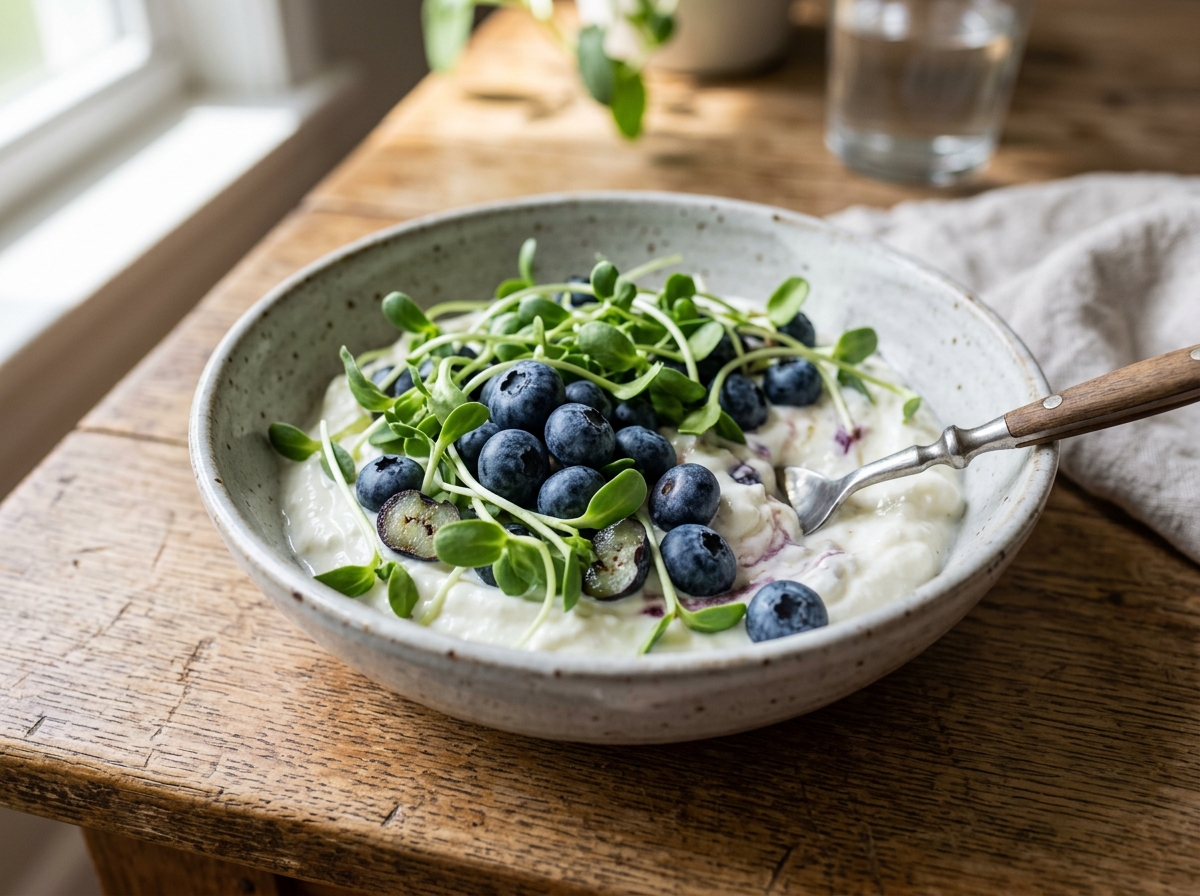
Ready to stock your kitchen? Here are our favorite healthy lifestyle snacks, categorized by what they offer your body:
- Greek Yogurt & Berries: A 156g container offers 16g of protein. Top with blueberries for fiber.
- Hard-Boiled Eggs: Two eggs provide about 12g of protein. They are linked to reduced arterial stiffness.
- Edamame: One cup provides 18g of protein and 8g of fiber. It’s a plant-based powerhouse.
- Hummus & Cucumber: 1 cup of sliced cucumbers with 2 tablespoons of hummus is under 100 calories.
- Apple Slices & Nut Butter: One apple has 3g of fiber. Pair with 2 tablespoons of natural peanut butter to stay under 250 calories.
- Air-Popped Popcorn: You can eat 3 generous cups for less than 100 calories! Season with nutritional yeast for a “cheesy” B-vitamin boost.
- Cottage Cheese & Fruit: 1 cup of cottage cheese has 25g of protein. Try it with pineapple or savory with tomatoes.
- Microgreen Smoothies: Use microgreens: a secret superfood for smoothies to boost your morning or afternoon drink with concentrated nutrients.
- Chia Pudding: High in Omega-3s and fiber. Make it the night before for an easy grab-and-go option.
- Roasted Chickpeas: Half a cup provides 10g of protein and 6g of fiber. Great for a crunchy craving.
- Turkey & Cheese Roll-ups: A simple, low-carb way to get quick protein.
- Smoked Salmon & Cream Cheese: Only about 70 calories for a sophisticated, protein-rich bite.
- Celery Sticks & Cream Cheese: 5 small sticks with 1 oz of cream cheese is roughly 100 calories.
- Red Bell Pepper & Guacamole: One large pepper with 1/4 cup of guac is under 200 calories and packed with Vitamin C.
- Homemade Trail Mix: Mix 1/4 cup of almonds, seeds, and unsweetened dried fruit.
- Apricot & Cashew Energy Bites: Process cashews, dates, and dried apricots for a fiber-rich (5.1g) sweet treat.
- Cantaloupe & Prosciutto: 4 wedges wrapped in thin prosciutto slices are under 170 calories—a perfect sweet and salty mix.
- Kale Chips: Toss kale in olive oil and bake. It’s a low-calorie way to get your greens.
- Almonds & Dark Chocolate: A handful of almonds with a square of 70%+ dark chocolate provides antioxidants and healthy fats.
- Microgreen Wraps: Try incorporating microgreens in delicious sandwiches and wraps for a high-volume, low-calorie snack.
- Tomato & Mozzarella: 1 ounce of mozzarella provides 8g of protein. Drizzle with balsamic for flavor.
- Beef Jerky: Look for low-sodium options; most provide about 9g of protein per ounce.
- Pear & Ricotta: A fiber-rich pear paired with creamy ricotta is a dietitian favorite.
- Frozen Grapes: A simple, one-ingredient snack that tastes like a mini-sorbet.
- Tuna on Whole-Grain Crackers: Ensure your crackers have at least 3g of fiber per serving.
Avoiding Common Snacking Pitfalls
Even with the best intentions, it’s easy to fall into “snack traps.” The biggest culprit is the ultra-processed food category. These are often engineered to be “hyper-palatable,” meaning they make you want to keep eating even when you’re full.
Watch out for:
- Added Sugars: Many “healthy” granola bars have as much sugar as a candy bar.
- High Sodium: Processed snacks can skyrocket your daily salt intake, contributing to heart strain.
- Hidden Fats: Look for trans fats or excessive saturated fats in packaged crackers.
Reading labels is essential. Check the serving size first—often, a small bag contains two or three servings! We also recommend being mindful of environmental triggers. If there are cookies on the counter, you’re likely to eat them. Keep your healthy lifestyle snacks at eye level in the fridge. For example, demystifying the daily intake of microgreens shows that having these nutrient-dense greens prepped and ready makes them the “easy” choice when hunger strikes.
Frequently Asked Questions about Healthy Snacking
What is the ideal calorie range for a healthy snack?
For most people, 150–250 calories is the “sweet spot.” This is enough to bridge the gap between meals without contributing to unwanted weight gain. If you are an athlete or have a very physically demanding job, you might need 300–350 calories. The goal is to feel satisfied, not stuffed.
How can snacks help with weight loss?
It seems counterintuitive, but eating can help you lose weight! High-protein and fiber-rich snacks promote satiety, which prevents you from overeating at your next meal. Furthermore, eating small, frequent, nutrient-dense portions can help regulate blood sugar and metabolism, preventing the body from entering “starvation mode” where it clings to fat stores.
What are the best snacks for heart health?
Focus on the “Heart-Healthy Four”: Unsalted nuts (for healthy fats), whole grains (for fiber), low-sodium options (to manage blood pressure), and potassium-rich fruits like bananas or cantaloupe. Omega-3 fats found in walnuts or chia seeds are also excellent for reducing inflammation.
Conclusion
At Financelyx, we believe that wellness shouldn’t be a chore. By making small, intentional shifts toward healthy lifestyle snacks, you are investing in your future self. Our expert writers, like Elena Monroe, are dedicated to bringing you nutrient-dense recipe ideas that don’t sacrifice flavor for health.
Whether you’re reaching for a handful of almonds or experimenting with microgreens in your afternoon smoothie, consistency beats perfection. Start by prepping two or three of the ideas from this list today, and see how much better you feel by tomorrow. For more expert guidance on sustainable wellness habits, visit us at https://financelyx.com/.
