
Why Nutrient-Dense Meal Prep Is the Smartest Thing You Can Do for Your Health
Nutrient-dense meal prep is the practice of cooking and storing balanced, whole-food meals in advance — so you always have something nourishing ready to eat, no matter how busy life gets.
Here’s the quick answer on how to do it right:
- Choose a quality protein — chicken, salmon, eggs, chickpeas (aim for 30g per meal)
- Add complex carbs — quinoa, sweet potato, lentils, oats
- Include healthy fats — avocado, olive oil, hemp hearts
- Load up on fiber-rich vegetables — dark leafy greens, broccoli, red cabbage
- Batch cook on the weekend, store in airtight glass containers, and eat well all week
Most people eat poorly not because they want to — but because healthy food isn’t ready when hunger hits. That’s when takeout wins.
The fix is simple: prepare ahead.
When your fridge is stocked with nutrient-rich meals, you stop making decisions based on convenience and start fueling your body with intention. Research consistently links high-protein, high-fiber eating to better satiety, weight management, and lower levels of chronic inflammation — a root driver of conditions like cardiovascular disease, diabetes, and autoimmune disorders.
The best part? It doesn’t require hours in the kitchen or a culinary degree.
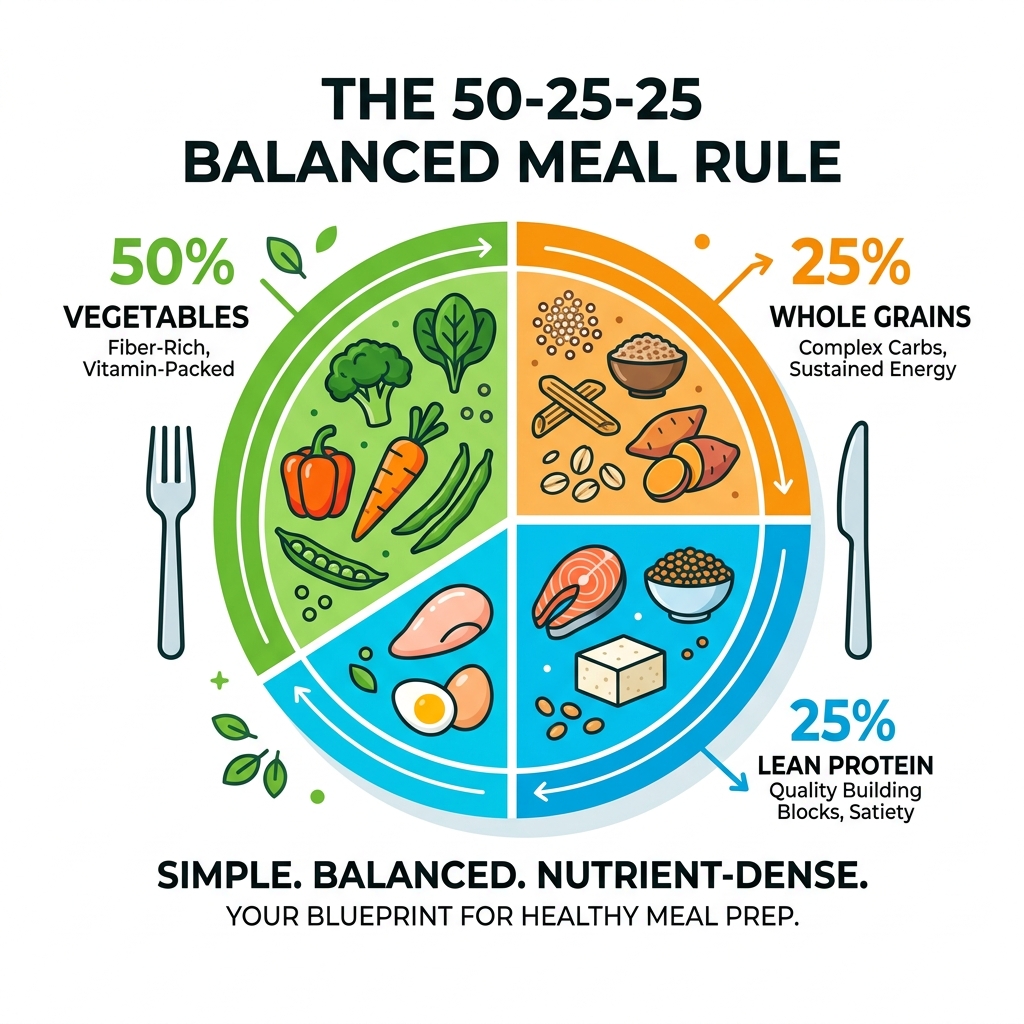
The Core Pillars of Nutrient-Dense Meal Prep
To master nutrient-dense meal prep, we must first understand what makes a meal “dense.” It isn’t just about calories; it’s about the concentration of vitamins, minerals, and macronutrients relative to those calories. When we prep with intention, we focus on four core pillars: lean protein, complex carbohydrates, healthy fats, and dietary fiber.
Lean proteins like poultry, fish, and legumes provide the building blocks for our tissues. Complex carbohydrates, such as sweet potatoes and ancient grains, offer sustained energy without the blood sugar spikes associated with refined flours. Healthy fats support brain health and hormone production, while dietary fiber acts as the “broom” for our digestive system, keeping things moving and feeding our beneficial gut bacteria.
Scientific research, such as studies found on PubMed, highlights that protein is the most satiating macronutrient. By prioritizing it in our prep, we naturally reduce cravings and support weight management. Furthermore, we can’t overlook the “micro” side of the equation. Unlocking the nutritional powerhouse of microgreens allows us to add a concentrated dose of vitamins C, E, and K to any prepped bowl with minimal effort.
Nutrient Density: Whole Grains vs. Refined Grains
| Nutrient | Whole Grains (e.g., Quinoa, Brown Rice) | Refined Grains (e.g., White Pasta, White Bread) |
|---|---|---|
| Fiber | High (supports gut health) | Low (stripped during processing) |
| Vitamins | B-vitamins & Vitamin E | Mostly removed |
| Minerals | Iron, Magnesium, Selenium | Minimal |
| Satiety | High (keeps you full longer) | Low (leads to energy crashes) |
Aiming for the Protein Sweet Spot in Nutrient-Dense Meal Prep
If there is one “secret weapon” in our meal prep arsenal, it is hitting the protein sweet spot. Research suggests that 30 grams of protein per meal is the optimal amount for muscle protein synthesis and metabolic health. While 15 grams is a solid starting point for snacks or light breakfasts, aiming for that 30g mark ensures we stay full until our next meal.
This isn’t just about “bulking up.” Adequate protein intake provides the essential amino acids needed for immune function and neurotransmitter production. For example, lean chicken contains tryptophan, which helps the body produce serotonin—a key player in mood management and memory. By reaping the health benefits of microgreens alongside these proteins, we create a synergistic effect where the protein aids in the absorption of certain fat-soluble vitamins found in the greens.
Incorporating High-Fiber Anti-Inflammatory Carbs
Carbohydrates often get a bad rap, but in nutrient-dense meal prep, they are essential—provided they are the right kind. We focus on anti-inflammatory options like sweet potatoes, quinoa, and lentils. These aren’t just energy sources; they are fiber bombs.
A high-protein, high-fiber meal plan should aim for at least 31 grams of fiber daily. This level of intake is linked to reduced markers of C-reactive protein (a sign of inflammation) and improved gut health. Sweet potatoes, for instance, are rich in beta-carotene, which the body converts to Vitamin A—a single baked sweet potato can provide over 400% of your daily needs! As we explore navigating the nutritional landscape of microgreens, we see how these tiny plants can complement our complex carbs by adding even more fiber and antioxidants to every bite.
Top Anti-Inflammatory Foods for Your Weekly Rotation
Chronic inflammation is often called the “silent killer” because it contributes to so many modern ailments. Scientific research on chronic inflammation shows that our diet is one of the most powerful tools we have to combat it. By rotating specific anti-inflammatory foods into our weekly prep, we can actively lower our risk of disease.
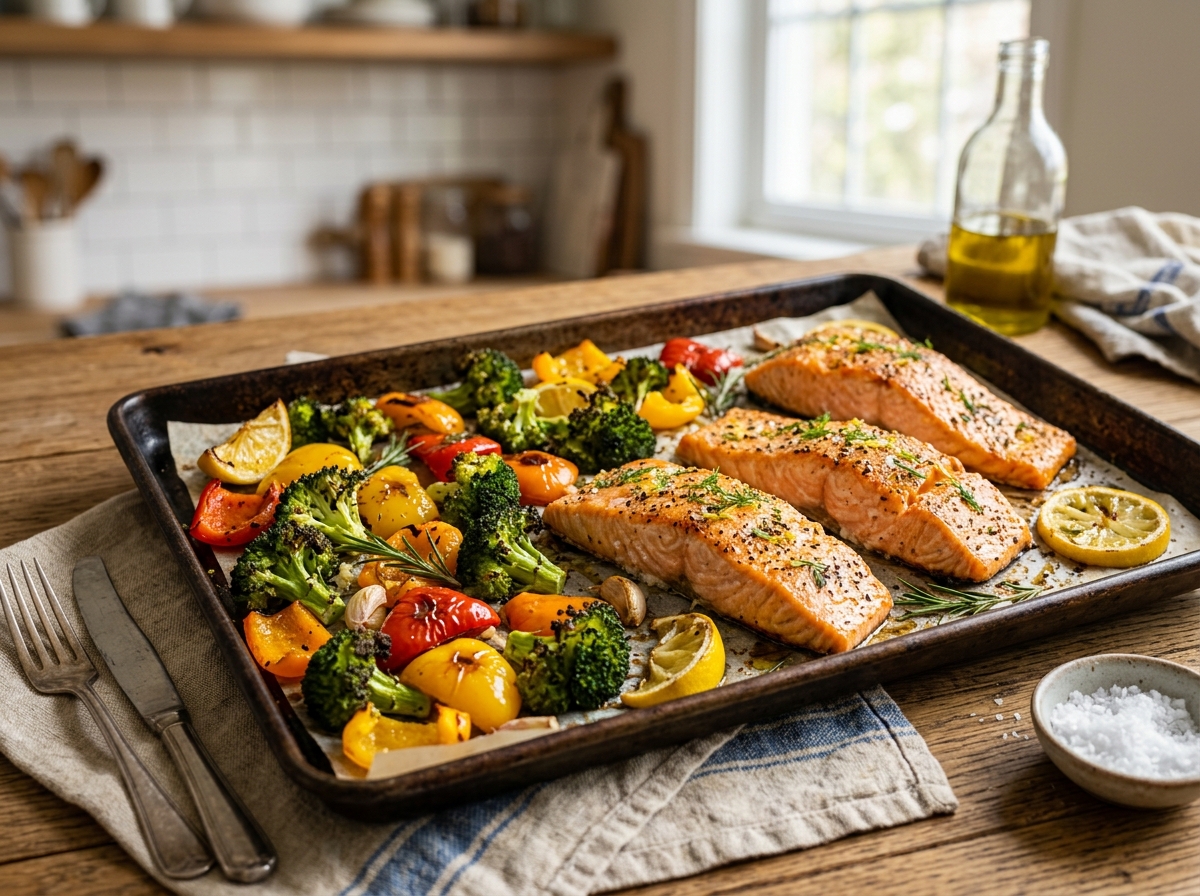
We look for foods rich in Omega-3 fatty acids (like salmon), sulforaphane (found in cruciferous veggies like broccoli), and anthocyanins (the pigments in red cabbage and berries). These compounds neutralize free radicals and switch off inflammatory pathways in the cells. For those looking to take it a step further, identifying microgreens as superior superfoods reveals that these young plants often contain higher concentrations of these protective compounds than their mature counterparts.
Essential Ingredients for Nutrient-Dense Meal Prep Success
When we head to the grocery store, we should have a “hit list” of ingredients that provide the most nutritional bang for our buck.
- Wild-Caught Salmon: A powerhouse of DHA and EPA omega-3s, which are vital for brain function and reducing joint pain.
- Grass-Fed Beef or Lean Chicken: Excellent sources of iron and B12.
- Chickpeas and Lentils: Great for plant-based protein and stable blood sugar.
- Red Cabbage: Contains up to eight times more antioxidants than green cabbage and provides sulforaphane for brain health.
- Dark Leafy Greens: Spinach, kale, and arugula protect the brain against age-related decline.
Don’t forget that breakfast is the foundation of your day. By adding a healthy twist to breakfast with microgreens—perhaps on top of a savory egg muffin—you start your anti-inflammatory journey the moment you wake up.
Healthy Fats for Brain Health and Satiety
Fat is not the enemy. In fact, without healthy fats, our bodies cannot absorb vitamins A, D, E, and K. For our nutrient-dense meal prep, we prioritize fats that fight inflammation rather than cause it.
Avocados are a staple for their monounsaturated fats and potassium. Extra virgin olive oil is the gold standard for dressings, containing oleocanthal, which mimics the effect of anti-inflammatory medication. For a crunch, we add hemp hearts, walnuts, or chia seeds, which provide plant-based omega-3s. These fats are also essential for creating healthy snacks with the power of microgreens, as they make the snack more satisfying and help you stay focused throughout the afternoon.
Step-by-Step Guide to Stress-Free Batch Cooking
The biggest hurdle to healthy eating is the “Wednesday Wall”—that moment in the middle of the week when you’re too tired to cook. Batch cooking is the solution. Instead of cooking individual meals, we prep components or “sheet pan” recipes that can be mixed and matched.
We recommend the “Chop as You Go” method: start with the heartiest vegetables like sweet potatoes and carrots, get them in the oven, and then chop your quicker-cooking veggies like broccoli while the first batch roasts. This saves significant time. If you’re worried about the cost of eating this way, the broke gourmets guide to budget-friendly meal prep offers excellent tips on buying in bulk and using seasonal produce.
When cooking, heat can sometimes degrade certain nutrients. Preserving nutrients while cooking with microgreens is simple: add them fresh at the end to keep their delicate enzymes and vitamins intact.
Storage and Reheating for Maximum Freshness
How you store your food is just as important as how you cook it. We always opt for airtight glass containers. Not only do they prevent chemicals from plastic leaching into your food, but they also keep food fresher for longer—typically 3 to 4 days in the fridge.
For longer storage, freezer-friendly stews and black bean burgers are lifesavers. They can last up to two months in the freezer. When reheating, try to use a stovetop or toaster oven when possible to maintain the texture of roasted veggies. Adding a fresh element, like a handful of sprouts, can revitalize a reheated meal. For more inspiration, check out these healthy and easy lunch recipes with microgreens.
Frequently Asked Questions about Nutrient-Dense Meal Prep
Can I eat the same meal every day for nutrient-dense meal prep?
While eating the same meal is efficient and perfectly safe, we generally recommend “component prepping” to avoid food boredom. If you prep a big batch of quinoa, roasted sweet potatoes, and grilled chicken, you can turn them into a Mediterranean bowl on Monday and a spicy taco bowl on Tuesday just by changing the sauce and spices.
Rotating your vegetables is also key for micronutrient variety. Different colors represent different antioxidants. If you’re new to this, first steps in microgreen recipes for beginners can show you how to easily vary your flavors with different types of greens.
How do I customize prep for vegan or gluten-free needs?
Nutrient-dense meal prep is incredibly adaptable. For vegan needs, swap animal proteins for organic tofu, tempeh, or a mix of beans and grains to ensure a complete amino acid profile. Chickpeas are a fantastic, versatile option.
For gluten-free needs, focus on naturally gluten-free grains like quinoa, buckwheat, and brown rice. Most anti-inflammatory diets are naturally low in gluten anyway, as they prioritize whole foods over processed breads. Cooking up health with microgreens is a great way to add flavor and texture to plant-based meals without needing gluten-based thickeners or additives.
Does nutrient-dense meal prep support weight loss?
Yes, absolutely. By focusing on nutrient density over caloric density, you can eat a larger volume of food while consuming fewer calories. This is the “eat more, weigh less” philosophy. High-protein meals trigger satiety hormones that tell your brain you’re full, preventing the overeating that often happens with processed convenience foods.
By preparing your portions in advance, you remove the temptation to take “just one more scoop.” If weight loss is your primary goal, shedding pounds with microgreens: a guide to weight loss explains how these low-calorie, high-nutrient additions can keep your metabolism firing.
Conclusion
At Financelyx, we believe that healthy eating shouldn’t be a chore or a source of stress. By adopting nutrient-dense meal prep, you are making a long-term investment in your energy, your mood, and your future health. It’s about building sustainable habits that work for your lifestyle, not against it.
As our expert writer Elena Monroe often says, “Balanced meals don’t have to be complicated; they just have to be built with intention.” Start small this weekend—maybe just prep three lunches—and feel the difference that real, anti-inflammatory fuel makes. Learn how to eat more weigh less and transform your relationship with food today.
