
The Real Benefits of Arugula Microgreens (And Why They’re Worth Adding to Your Plate)
The benefits of arugula microgreens go far beyond their tiny size. Here’s a quick look at what they offer:
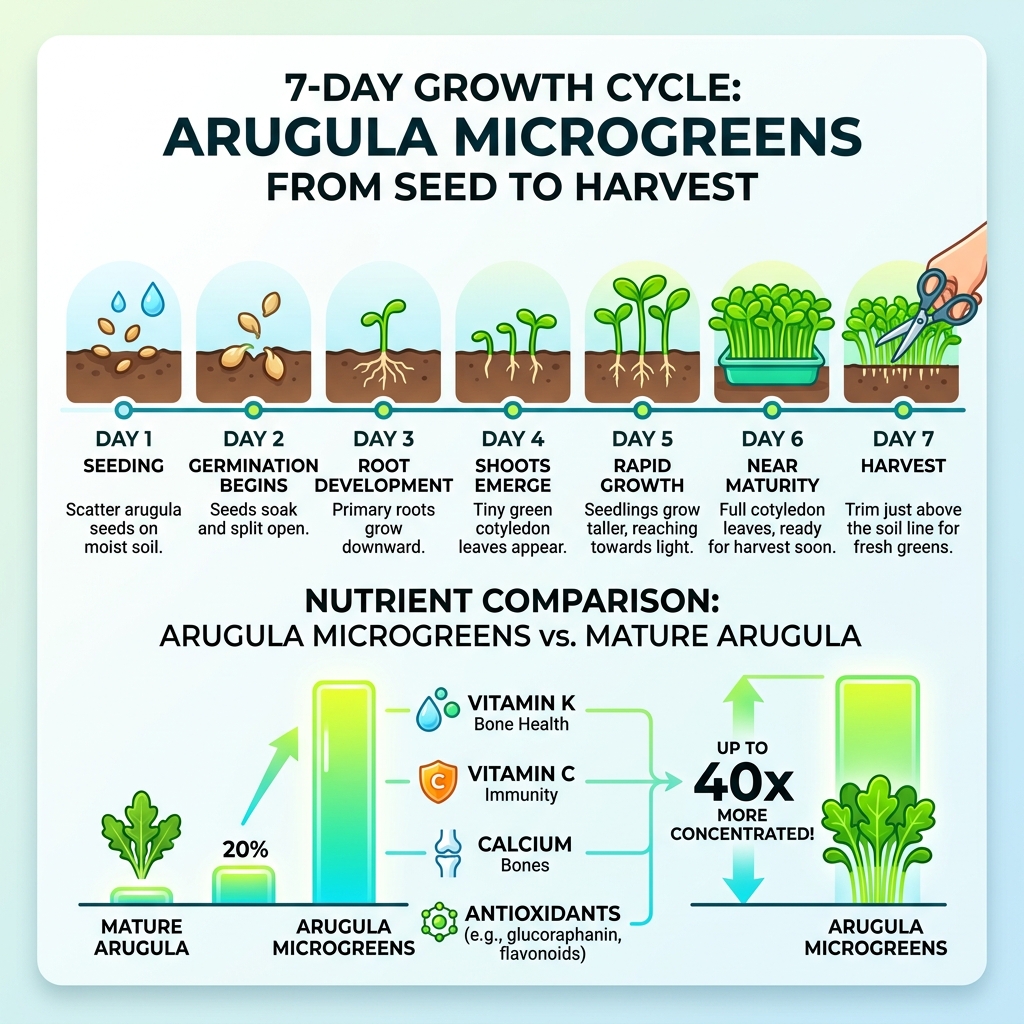
- Extreme nutrient density – up to 40x more vitamins and minerals than mature arugula
- Bone health – high in vitamin K and calcium
- Heart health – potassium and fiber support healthy blood pressure
- Cancer protection – contain glucoraphanin and erucin, two compounds with chemoprotective properties
- Anti-inflammatory – rich in flavonoids and stilbenes backed by a 2024 study
- Immune support – excellent source of vitamins A, C, and folate
- Digestive health – natural sulfur compounds stimulate bile production and aid fat digestion
You’ve probably seen microgreens at a farmers market or scattered on a restaurant dish. They look decorative. But arugula microgreens are far more than a garnish.
These are the young seedlings of the arugula plant (Eruca sativa), harvested just 7 to 14 days after germination. At that stage, they’re packed with concentrated nutrition your body can actually use. And they carry that bold, peppery flavor arugula is known for — sometimes even more intense than the mature leaf.
The best part? They’re one of the fastest and easiest foods you can grow at home. No garden needed. No green thumb required.
This guide covers everything: the science behind the health benefits, how to grow them on your kitchen counter, and simple ways to use them in everyday meals.
What Are Arugula Microgreens and How Do They Differ?
Arugula microgreens are the young, edible seedlings of the Eruca sativa plant, a member of the diverse Brassicaceae (cruciferous) family. This family also includes heavy hitters like broccoli, kale, and Brussels sprouts. While we often think of arugula as a simple salad green, it is actually a powerhouse of phytochemicals that are most potent during its earliest stages of life.
When we talk about microgreens, we are referring to the growth stage between a sprout and a “baby” green. Arugula microgreens are typically harvested when they reach about two to three inches in height. At this point, they have developed their “cotyledon” leaves—the first set of seed leaves—and often their first set of “true” leaves.
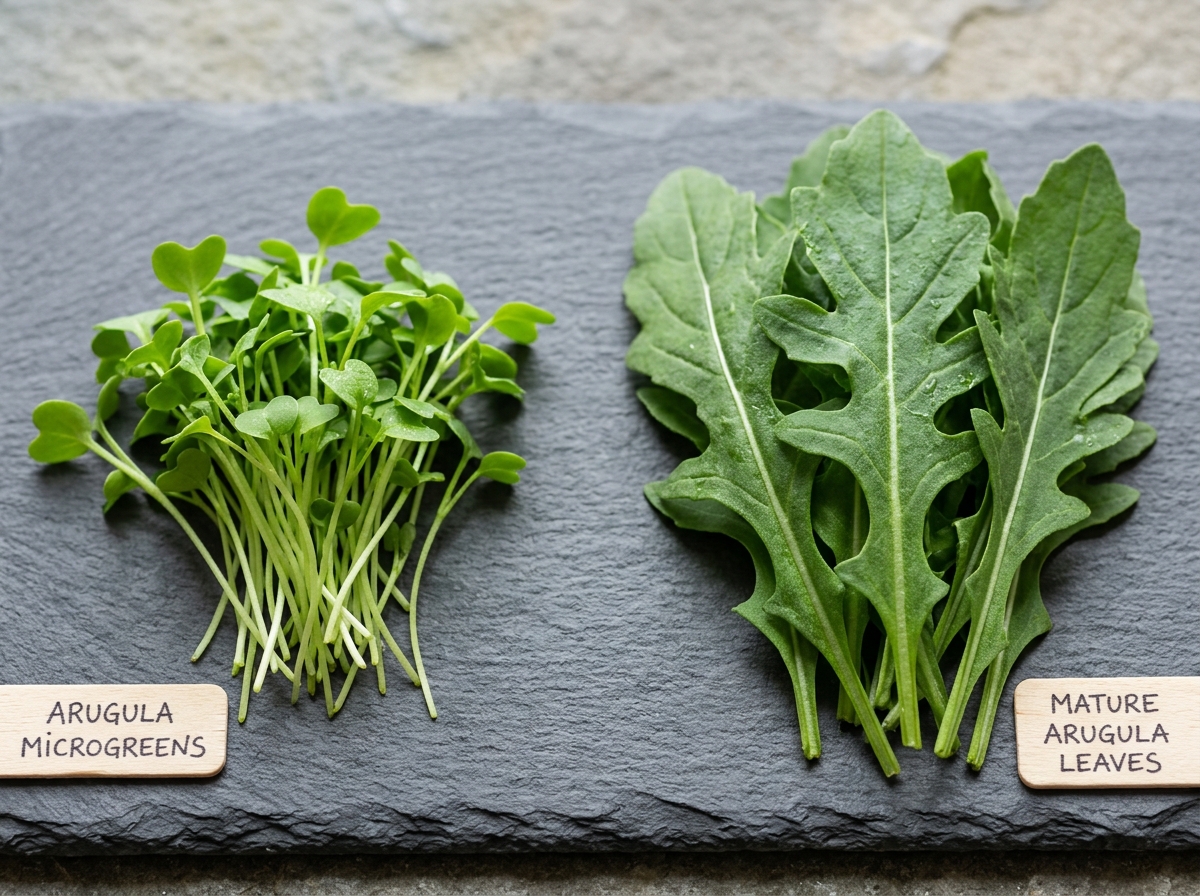
It is important to understand where these fit in the lifecycle of the plant. By identifying microgreens as superior superfoods, we can see how they bridge the gap between seeds and full-grown vegetables.
| Feature | Arugula Sprouts | Arugula Microgreens | Mature Arugula |
|---|---|---|---|
| Harvest Time | 2–5 days | 7–14 days | 40–60 days |
| Growing Medium | Water (Hydroponic) | Soil or Grow Mats | Soil |
| Flavor | Very mild, watery | Intensely peppery, nutty | Bold, bitter, spicy |
| Nutrient Density | High | Highest (Concentrated) | Moderate |
| Parts Eaten | Seed, root, and stem | Stem and leaves | Leaves and stems |
The Unique Flavor Profile of Arugula Microgreens
If you enjoy the “bite” of a good Italian salad, you will love the flavor of arugula microgreens. They possess a signature peppery kick that is both sharp and refreshing. However, unlike mature arugula, which can sometimes become unpleasantly bitter or “tough” as it ages, the microgreen version offers a cleaner, more delicate finish.
We often describe the taste as having nutty undertones, similar to a walnut or a mild mustard. Because they are so tender, they provide a delightful textural contrast—crisp stems and soft leaves—that works perfectly as a finishing touch for gourmet dishes. This culinary versatility is why many high-end chefs use them as a “secret weapon” to add both visual appeal and a pop of sophisticated flavor to their plates.
Why They Are More Nutrient-Dense Than Mature Plants
One of the most mind-blowing benefits of arugula microgreens is their efficiency. Research shows that microgreens can contain anywhere from 4 to 40 times the nutrient concentration of their mature counterparts.
Why is this? Think of a seed as a tiny biological battery. It contains all the energy and building blocks required to grow a massive plant. When the seed germinates, it releases all those stored vitamins, minerals, and antioxidants into the tiny seedling. When we eat the plant at this stage, we are unlocking the nutritional powerhouse of microgreens and consuming that concentrated energy before it gets diluted across a larger, more fibrous mature plant.
For example, arugula microgreens are particularly high in:
- Vitamin K: Crucial for blood clotting and bone health.
- Vitamin C: A powerful antioxidant for immune function.
- Vitamin A: Essential for vision and skin health.
- Minerals: They contain nearly eight times the calcium and four times the iron found in iceberg lettuce.
The Science-Backed Health Benefits of Arugula Microgreens
Beyond basic vitamins, arugula microgreens are a “treasure trove” of secondary metabolites. A landmark study from September 2024 highlighted that these greens are exceptionally high in flavonoids and stilbenes. These are antioxidant and anti-inflammatory polyphenols that help protect the body against neurodegenerative diseases, certain cancers, and cardiovascular issues.
By reaping the health benefits of microgreens, we are essentially giving our cells a protective shield against oxidative stress. The anti-inflammatory effects of these compounds help inhibit pro-inflammatory pathways in the body, which is a key factor in preventing chronic illness.
Cancer Prevention and Detoxification Benefits of Arugula Microgreens
Arugula microgreens are famous in the scientific community for their high levels of glucosinolates. When you chew these greens, these compounds convert into isothiocyanates, specifically sulforaphane, glucoraphanin, and erucin.
These specific molecules have been linked to chemoprotective properties, meaning they may help inhibit the growth of cancer cells, particularly in the breast, bladder, lung, and prostate. Furthermore, these compounds stimulate “Phase II” detoxification enzymes in the liver. This process helps the body neutralize and flush out harmful toxins and carcinogens more effectively. It’s like giving your liver a high-performance tune-up with every bite.
Supporting Bone and Heart Health with Arugula Microgreens
Your skeletal and cardiovascular systems also stand to gain significantly from these tiny greens.
- Bone Health: Arugula microgreens are a fantastic source of Vitamin K1 and calcium. Vitamin K is essential because it acts as a “traffic cop” for calcium, ensuring it goes into your bones rather than depositing in your arteries. Notably, arugula is lower in oxalates than spinach, which means your body can actually absorb the calcium and magnesium more efficiently.
- Heart Health: The presence of potassium helps regulate blood pressure by counteracting the effects of sodium. Additionally, the fiber content and antioxidants support healthy cholesterol levels.
Navigating the nutritional landscape of microgreens reveals that adding even a small handful to your daily routine can provide over 100% of your daily Vitamin K needs, making them a simple but effective tool for long-term wellness.
How to Grow Arugula Microgreens at Home
One of our favorite things about arugula microgreens is that they are incredibly accessible. You don’t need a farm or a backyard. You can grow them right on your kitchen windowsill or a small shelf.
To get started, you only need a few basic supplies:
- Shallow Containers: 1 to 2 inches deep is perfect. You can even recycle fruit clamshells or pie plates.
- Growing Medium: We recommend a high-quality seed-starting soil or a coconut coir mat.
- Organic Seeds: Look for “Roquette” or “Slow Bolt” arugula seeds for the best results.
- Light Source: A sunny window or a simple LED grow light.
For a deeper dive into the equipment, check out our beginner guide to microgreen farming or our specific tips for an indoor microgreens setup for beginners.
Step-by-Step Cultivation and Harvesting
Growing these “tiny superheroes” is a and rewarding process. Here is our step-by-step microgreen guide specifically for arugula:
- Sowing: Fill your tray with moist soil. Sprinkle the tiny arugula seeds evenly across the surface. You want a dense layer, but don’t let the seeds overlap too much. About 15 grams of seed for a standard 10×20 tray is a good rule of thumb.
- The Blackout Period: Mist the seeds with water and cover the tray with another tray or a lid to keep it dark. We often place a small weight (about 15 lbs) on top. This “stresses” the seeds slightly, forcing them to push up and develop sturdier, deeper roots. Arugula only needs about 24–48 hours of blackout.
- Light and Water: Once you see sprouts, remove the cover and move them to the light. Pro tip: Always use “bottom watering” after this stage. Pour water into the bottom tray so the roots soak it up. This keeps the leaves dry and prevents mold or “damping off.”
- Harvesting: In about 7 to 10 days, your greens will be 2 to 3 inches tall. Use sharp scissors to snip them just above the soil line.
Arugula is widely considered one of the easy microgreens to grow indoors because it germinates quickly and is relatively hardy.
Culinary Uses and Recipe Ideas
Now for the best part—eating them! While they are great in a salad, the benefits of arugula microgreens can be enjoyed in dozens of creative ways.
- The Ultimate Garnish: Sprinkle a handful over a fresh-from-the-oven pizza. The heat will slightly wilt the greens, releasing that peppery aroma without losing the crunch.
- Smoothie Booster: If you aren’t a fan of the spicy taste, blend them into a fruit smoothie. The sweetness of pineapple or mango masks the pepper, but you still get all the nutrients.
- Pesto Alternative: Swap half of your basil for arugula microgreens in your next pesto recipe. It adds a sophisticated depth and a nutritional punch.
- Avocado Toast: Layer them thick on top of mashed avocado and a poached egg for a breakfast that looks like it came from a five-star cafe.
- Grain Bowls: Use them as a base or a heavy topping for quinoa or farro bowls. They pair beautifully with roasted sweet potatoes, chickpeas, and a lemon-tahini dressing.
By unleashing the benefits of organic microgreens in your kitchen, you’re turning every meal into a functional “super-meal.”
Frequently Asked Questions
How long does it take to grow and harvest arugula microgreens?
Arugula is a “sprinter” in microgreens. Under ideal conditions (around 70°F and 50% humidity), you can harvest them in as little as 7 days. Most growers prefer to wait until day 10 for a fuller canopy. You want to catch them at the cotyledon stage—before the “true leaves” get too large—to ensure the best flavor and highest nutrient density.
Are there any health risks or precautions?
While arugula is incredibly healthy, there are two main things to keep in mind:
- Vitamin K Interactions: Because arugula is very high in Vitamin K, individuals on blood-thinning medications (like Warfarin) should consult their doctor, as sudden changes in Vitamin K intake can affect medication efficacy.
- Nitrates: Like many leafy greens, arugula can accumulate nitrates. While the health risks of naturally occurring nitrates are debated, it’s always best to eat a varied diet.
- Food Safety: Always wash your microgreens before eating and ensure your growing environment is clean to prevent bacterial growth.
Where can you buy fresh arugula microgreens?
If you aren’t ready to grow your own, check your local farmers market first. Microgreens are fragile and don’t ship well, so local is always better. Many urban farms now offer weekly subscription services where they deliver freshly harvested greens directly to your door. You can also find them in the produce section of natural food grocers, usually near the herbs or pre-packaged salads.
Conclusion
At Financelyx, we believe that small changes lead to big results. Incorporating arugula microgreens into your diet is one of the easiest ways to upgrade your nutrition without having to overhaul your entire lifestyle. Whether you’re growing them on your counter or grabbing a container at the market, these “tiny superheroes” provide the flavor and fuel your body deserves.
Our expert writers, like Elena Monroe, are dedicated to bringing you the most nutrient-dense and flavorful recipe ideas to help you live your best, healthiest life. Ready to take the next step in your wellness journey? Explore more health and wellness guides on our site today!
