
Choosing the Best Microgreen Fertilizer for Soil and Hydroponics
The Best Microgreen Fertilizers for Soil and Hydroponics (Quick Answer)
The best microgreen fertilizer depends on your growing setup and how long your variety takes to mature. Here’s a quick overview to help you choose:
| Fertilizer | NPK Ratio | Best For |
|---|---|---|
| FloraGro | 2-1-6 | Hydroponic setups, first 4 weeks |
| Hero Organic Plant Food | 3-2-2 | Soil/coir, slow-growing varieties |
| Micro Green 2-0-3 | 2-0-3 | Hydroponic micronutrient support |
| 0-0-2 MicroGreene | 0-0-2 | Micronutrient deficiencies, blackout periods |
| BloomMicro Bio-Fertilizer | Microbial | Organic growers, all setups |
Key takeaway: Fast-growing microgreens (ready in under 14 days) generally don’t need added fertilizer. Slow-growing varieties like basil — which can take 30+ days — benefit significantly, especially when grown in nutrient-poor media like pure coconut coir.
Growing microgreens is one of the fastest ways to add fresh, nutrient-dense greens to your meals. A single tray can go from seed to harvest in as little as 7 to 14 days.
But here’s the question most home growers hit eventually: do you actually need to fertilize them?
The short answer is: sometimes. And getting it wrong — too much, too little, or the wrong type — can make the difference between a lush, flavorful tray and one that’s spindly, pale, or burned at the edges.
Whether you’re growing in soil, coconut coir, or a hydroponic system, choosing the right fertilizer matters more than most people think. This guide walks you through everything you need to know — from NPK ratios and organic biostimulants to application timing and the top products worth considering.

Do Your Microgreens Actually Need Fertilizer?
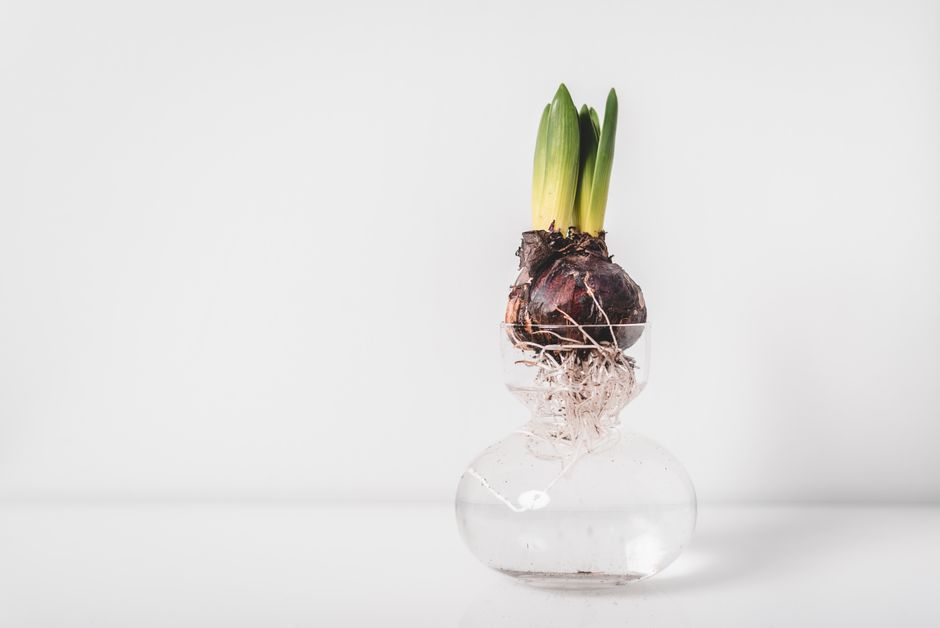
When we first start growing these tiny greens, it’s easy to assume they need a heavy dose of plant food to get that vibrant color. However, nature has a built-in “starter pack.” Every seed contains a concentrated store of energy intended to support the plant until it develops its first set of leaves.
During the initial stage of growth, microgreens rely on their cotyledons (the first embryonic leaves). For many fast-growing varieties that are harvested within 10 to 14 days, the nutrients stored in the seed — combined with whatever is available in a high-quality potting mix — are usually enough. If you are harvesting early, adding microgreen fertilizer might not show any visible benefit at all.
The script changes, however, when we talk about slow-growing varieties. Plants like basil, cilantro, or oregano can take 21 to 45 days to reach harvest size. By day 14, the seed’s energy is spent, and the plant begins looking for external food. If you are using an inert medium like coconut coir, which has almost zero inherent nutritional value, your plants will eventually stall without help. You can learn more about choosing the right supplements in our guide on safe-fertilizers-options-for-microgreen-growth.
When to Apply Microgreen Fertilizer for Maximum Yield
Timing is everything. We generally recommend waiting until the post-blackout phase. This is the moment you remove the weighted cover and introduce your trays to light.
Once the plants begin photosynthesis and start developing their “true leaves,” their metabolic demand increases. This is the optimal window to introduce a liquid microgreen fertilizer via bottom watering. Bottom watering allows the roots to soak up the nutrients directly without getting the delicate foliage wet, which reduces the risk of mold and ensures a significant biomass boost — sometimes increasing fresh weight by over 25%.
Which Varieties Benefit Most from Added Nutrients?
In our experience, the growth duration is the best indicator of whether you should reach for the fertilizer bottle.
- Low Benefit: Radish, Kohlrabi, and Broccoli. These are the sprinters of the microgreen world. They are often ready in 10 days, and trials show they grow nearly identically with or without fertilizer in nutrient-rich soil.
- High Benefit: Basil, Amaranth, and Herbs. These take their time. Basil, in particular, shows much larger leaves and more robust stems when fed after the second week.
- Media Dependent: If you are growing Pea shoots or Sunflowers in pure coconut coir, they may benefit from a light feeding to maintain their deep green color, even though they are relatively fast growers.
Essential Nutrients for Optimal Microgreen Growth
To grow professional-grade microgreens, we need to look beyond just “plant food” and understand the specific elements these tiny plants crave.
Understanding NPK Ratios in Microgreen Fertilizer
The NPK ratio (Nitrogen, Phosphorus, and Potassium) tells you the percentage of macronutrients in the bag or bottle.
- Nitrogen (N): This is the engine for foliar growth. It keeps your microgreens deep green and lush. A product like FloraGro (2-1-6) provides a steady stream of nitrogen perfect for the first 4 weeks.
- Phosphorus (P): Essential for root development and cellular energy transfer.
- Potassium (K): This helps with overall plant health and disease resistance.
For microgreens, we often look for balanced or nitrogen-leaning ratios. Hero Organic Plant Food (3-2-2) is a popular choice for soil-based growers because it provides a gentle, organic source of these macros derived from recycled food materials. Meanwhile, Micro Green 2-0-3 focuses on delivering potassium alongside a heavy hit of trace elements.
The Role of Organic Biostimulants
Macronutrients aren’t the whole story. The “secret sauce” in many high-end microgreen fertilizers involves biostimulants like humic acid and sea kelp.
- Humic Acid: This acts as a carbon source that stimulates soil biology and improves the plant’s ability to take up nutrients.
- Sea Kelp: Contains natural growth hormones that stimulate rooting and help the plant deal with environmental stress.
- Microbial Formulations: Products like BloomMicro use beneficial microbes to protect the root zone against pathogens like Pythium. These microbes can actually help reduce water needs by up to 50% by making the root system more efficient at absorption.
| Nutrient Type | Essential Element | Function in Microgreens |
|---|---|---|
| Macronutrient | Nitrogen (N) | Leaf growth and green color |
| Macronutrient | Phosphorus (P) | Root strength and energy |
| Macronutrient | Potassium (K) | Water regulation and health |
| Micronutrient | Iron (Fe) | Chlorophyll production |
| Micronutrient | Calcium (Ca) | Cell wall structure (prevents tip burn) |
| Micronutrient | Magnesium (Mg) | Photosynthesis core |
Comparing Growing Media and Nutrient Requirements
The “house” your microgreens live in dictates how much you need to feed them. We generally categorize media into two types: nutrient-rich and inert.
If you are using a high-quality potting mix, it likely already contains compost or vermicompost. For example, some specialized potting mixes have a guaranteed analysis of 0.45-0.18-0.40. This is often enough to carry a tray of broccoli all the way to harvest. You can dive deeper into these choices in our article on unearthing-the-best-soil-for-microgreens.
On the flip side, many growers prefer coconut coir or hemp mats because they are clean and easy to handle. However, these are “inert,” meaning they provide zero food. If you are growing microgreens without soil, you are essentially running a hydroponic system, and fertilization becomes mandatory for almost every variety to prevent yellowing and stunted growth.
Hydroponic vs. Soil-Based Microgreen Fertilizer Needs
In soil, we rely on organic matter and microbial activity to break down nutrients. In hydroponics, we use mineral salts that are immediately “bioavailable.”
- Hydroponic Needs: You need a fertilizer that is 100% water-soluble. Products like Micro Green 2-0-3 use chelated minerals (like EDTA Iron) to ensure the nutrients don’t “lock up” or precipitate out of the water, especially if your pH drifts slightly.
- Soil Needs: Soil acts as a buffer. You can use organic liquids like fish emulsion or kelp. To understand the pros and cons of each setup, check out our soil vs hydroponic trays for microgreens comparison.
Top Recommended Microgreen Fertilizers and Application Tips
When selecting a microgreen fertilizer, you have several excellent options depending on your philosophy and setup.
- FloraGro (2-1-6): A legendary hydroponic nutrient. It is incredibly versatile and works well for the vegetative growth of microgreens.
- BloomMicro™: This is a standout for those who want a “bio-fertilizer.” It has been shown in greenhouse trials to boost fresh biomass by over 25% while actually reducing the amount of traditional fertilizer needed by 30%.
- 0-0-2 MicroGreene™: This is a specialized micronutrient formula. While often used for turf, its high content of sea kelp and humic acid makes it a great “booster” for microgreens, especially during regulatory “blackout periods” where nitrogen or phosphorus use might be restricted.
- Mittleider Magic Micro-Nutrient Mix: Perfect for those who want to mix their own balanced weekly feed. It focuses on the trace minerals that are often missing from standard potting soils.
- Fertilizer A+B Systems: Some professional mineral fertilizers come in two parts. This prevents the calcium and phosphorus from reacting in the bottle. You mix them separately into your water reservoir, ensuring your plants get the full spectrum of nutrition.
Avoiding Common Fertilization Mistakes
More is not always better. In fact, in microgreens, “more” is often the enemy.
- Over-fertilizing: This leads to nutrient burn, where the tips of your tiny greens turn brown and crispy. Because microgreens are so small, they have very little tolerance for high salt concentrations.
- pH Drift: If your water is too alkaline or too acidic, the plants can’t “see” the fertilizer. In hydroponic kits, maintaining a pH between 5.5 and 6.5 is crucial. You can learn more about managing these systems in our guide on understanding-hydroponic-microgreen-kits-and-their-benefits.
- Stagnant Water: If you bottom water, don’t let the trays sit in a pool of fertilizer for days. Give them 20-30 minutes to drink, then drain the excess to prevent root rot.
Frequently Asked Questions about Microgreen Fertilization
Can I use DIY fertilizer for microgreens?
Yes, but with caution. Many growers use compost tea or diluted worm castings (vermicompost). These are excellent because they introduce beneficial microbes. However, DIY solutions like crushed eggshells or wood ash take a long time to break down—often longer than the entire life cycle of the microgreen. For consistent results, a commercial microgreen fertilizer is usually more reliable because the NPK ratios are precise and the nutrients are immediately available to the roots.
What are the signs of nutrient deficiency in microgreens?
The most common sign is interveinal chlorosis, where the leaves turn yellow but the veins stay green. This usually points to an iron or magnesium deficiency. If your plants are pale green overall, they likely need nitrogen. If the stems are purple (and it’s not a purple variety like radish), it could be a sign of phosphorus deficiency, often caused by the grow room being too cold.
Does coconut coir require more fertilizer than soil?
Absolutely. Think of coconut coir as an empty sponge. While it has a great texture and holds water beautifully, it provides no food. If you are using coir, we recommend a light liquid fertilizer starting from the moment you move the trays under lights. In contrast, a tray grown in high-quality potting soil can often go the full 10-14 days with nothing but plain water. You can see a detailed breakdown of these media in our soil vs hydroponic trays comparison.
Conclusion
At Financelyx, we believe that growing your own food should be simple, rewarding, and—most importantly—nutritious. Whether you are a hobbyist looking for a fun weekend project or a dedicated home gardener aiming for a self-sufficient kitchen, understanding microgreen fertilizer is a major step forward.
By matching your fertilizer to your growing medium and the specific needs of your plants, you can unlock incredible flavors and maximize the health benefits of your harvest. From the microbial boost of BloomMicro to the organic reliability of Hero Organic, there is a solution for every tray.
We hope this guide helps you grow the most vibrant, nutrient-dense snacks possible! For more tips on maintaining a healthy indoor garden, be sure to explore our other resources, including our deep dive into safe-fertilizers-options-for-microgreen-growth. Happy growing!
