
Snack Smarter Outdoors: What to Know Before You Pack
Easy healthy camping snacks are whole-food-based options that require little or no prep, travel well without refrigeration, and give you real, lasting energy outdoors. Here are the top picks:
- Trail mix – raw nuts, seeds, unsweetened dried fruit, and whole grain cereal
- Fresh produce – baby carrots, snap peas, apple slices, and celery sticks
- Protein bites – no-bake energy balls made with oats, nut butter, and dates
- Packaged staples – string cheese, hummus packs, hard-boiled eggs, and rice cakes
- Campfire treats – banana boats, foil-pack nachos, and campfire popcorn
There is something about fresh air and open skies that makes everyone hungry. Whether you are hiking a trail, setting up camp, or sitting around a fire, snacks become the fuel that keeps the whole trip going.
The problem? Most classic camping snacks – think chips, sugary granola bars, and processed crackers – deliver a quick burst of energy and then leave you crashing. That is the last thing you want when you are miles from the nearest store.
The good news is that eating well outdoors does not require a full kitchen or complicated recipes. Most adults and kids already fall short on fiber in their everyday diets, and a camping trip is the perfect opportunity to close that gap with smart, simple snacks built from whole foods.
This guide covers everything from grab-and-go options to make-ahead treats and campfire ideas – all designed to keep the whole family fueled and happy, without the hassle.
The Importance of Nutritious Outdoor Fuel
When we head into the wilderness, we often leave our routines behind, but our nutritional needs actually intensify. Planning easy healthy camping snacks isn’t just about avoiding “hangry” toddlers (though that is a major plus); it is about providing the biological building blocks required for physical exertion.
Scientific research consistently highlights that dietary fiber is a nutrient most adults and children lack. On a camping trip, fiber is your best friend. It promotes gut health and regularity, which can often be disrupted by travel and changes in environment. By choosing whole-grain snacks and raw vegetables, we ensure our digestive systems stay on track while we explore.
Furthermore, sustained energy comes from a balance of macronutrients. While sugary snacks provide a “spike,” protein and healthy fats provide “satiety”—that feeling of being full and satisfied. Protein is essential for muscle repair after a long day of hiking or paddling, while healthy fats from plant sources like nuts and avocados aid in nutrient absorption.
At Financelyx, we often discuss Reaping the Health Benefits of Microgreens because they pack a massive nutritional punch in a tiny package. While you might not grow them on the trail, incorporating nutrient-dense whole foods into your camping larder follows that same philosophy: maximum nutrition with minimum bulk. When we prioritize real food, we feel recharged by nature rather than weighed down by processed additives.
Top No-Cook and Grab-and-Go Easy Healthy Camping Snacks
The best snacks for a camping trip are the ones that require zero effort when you arrive at the site. After a long drive or a grueling tent setup, the last thing anyone wants to do is start chopping.
The “Cooler-Free” Essentials
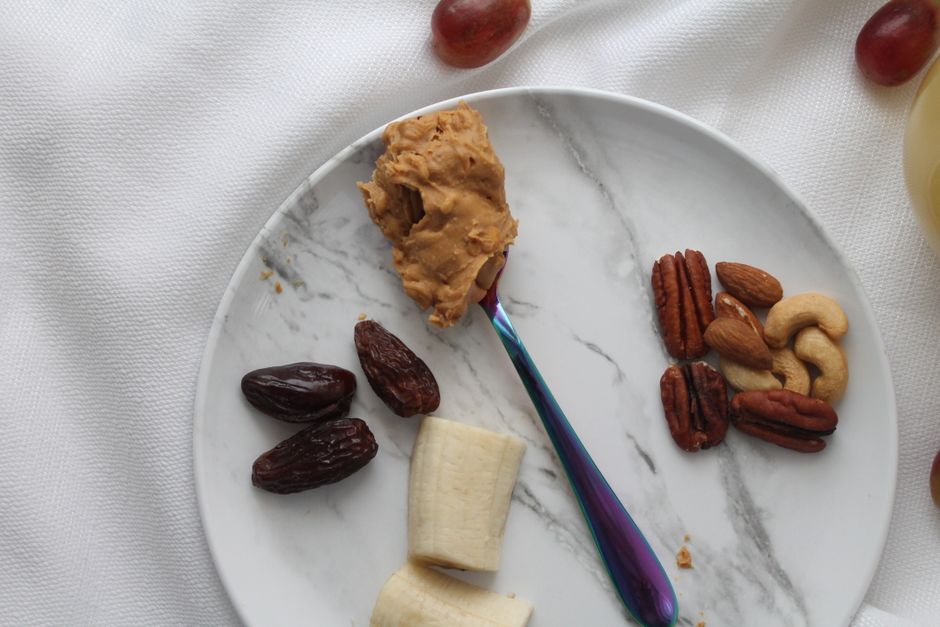
If you are traveling light or your cooler space is limited, focus on shelf-stable whole foods. Raw nuts and seeds (like pumpkin or sunflower seeds) are calorie-dense and provide the “good fats” needed for long-lasting fuel. Unsweetened dried fruits like apricots, mangoes, or raisins offer a natural sweetness without the added sugars found in candy.
The Chilled Favorites
If you do have a cooler, some of the most satisfying easy healthy camping snacks are the simple ones.
- Hard-boiled eggs: Prepare these at home. They are a perfect hit of protein and can be eaten with a pinch of sea salt.
- String cheese or cheese wedges: These provide calcium and protein and are individually wrapped for convenience.
- Hummus and veggie sticks: Pre-slice bell peppers, cucumbers, and carrots. Hummus provides a great balance of fiber and healthy fats.
For those looking to elevate their nutrition even further, we recommend Navigating the Nutritional Landscape of Microgreens to understand how small dietary choices—like swapping a flour tortilla for a lettuce wrap or adding nut butter to a rice cake—can drastically improve your energy levels.
Simple DIY Trail Mix: The Ultimate Easy Healthy Camping Snack
Trail mix has been a staple since the 1910s, and for good reason. However, store-bought versions are often loaded with salt and chocolate-coated candies. Making your own allows you to control the “Golden Ratio.”
The Golden Ratio for Balanced Trail Mix:
- 2 Parts Nuts/Seeds: Almonds, cashews, or pumpkin seeds for protein and fats.
- 1 Part Dried Fruit: Raisins or cranberries for quick energy.
- 1 Part “Crunch”: Whole grain cereal (look for <8g sugar and >3g fiber per serving) or air-popped popcorn.
- Optional Half-Part “Treat”: Carob chips or dark chocolate chips.
This combination ensures you aren’t just eating a bag of sugar. It provides complex carbohydrates for steady energy. If you’re curious about how much of these “super-ingredients” to include, you might find our guide on Demystifying the Daily Intake of Microgreens helpful for understanding portion control and nutrient density.
Fresh Produce as Easy Healthy Camping Snacks
Not all produce survives a backpack, but “hardy” fruits and veggies are excellent camping companions.
- Apples: To prevent browning if you slice them ahead of time, soak them in a quick lemon-water bath.
- Celery sticks: These stay crunchy and are perfect for filling with nut butter.
- Snap peas and baby carrots: These are virtually indestructible in a cooler and provide a satisfying crunch.
Many of these items can also be used to create Healthy and Easy Lunch Recipes with Microgreens if you’re looking to transition from snacking to a light meal.
Make-Ahead Nutritious Treats for the Trail
Preparation is the secret to a stress-free trip. By spending 20 minutes in your kitchen before you leave, you can avoid the “snack trap” of gas station processed foods.
| Feature | Homemade Energy Bites | Processed Snack Bars |
|---|---|---|
| Ingredients | Whole foods (dates, oats, nuts) | Often contains high-fructose corn syrup |
| Added Sugar | Naturally sweetened with fruit | Usually 10g+ of added cane sugar |
| Fiber Content | High (from chia, beans, or oats) | Often low unless supplemented |
| Cost | Budget-friendly in bulk | Expensive per individual unit |
| Customization | Endless (nut-free, vegan, etc.) | Limited to what’s on the shelf |
No-Bake Granola Bars and Bites
No-bake treats are fantastic because they don’t require an oven and use binders like coconut oil or almond butter to stay chewy. One of our favorite “secret” ingredients for energy bites is black beans. When processed with Medjool dates and cocoa, they create a fudge-like texture that is high in plant-based protein and fiber.
We discuss the versatility of these types of ingredients in our article on Creating Healthy Snacks with the Power of Microgreens, where the focus is on maximizing nutrition without sacrificing flavor.
Portable Protein: Energy Bites as Easy Healthy Camping Snacks
Energy bites are essentially “portable fuel pods.” By using walnuts, you get a dose of omega-3 fatty acids, which are great for cognitive health—helpful when you’re trying to read a topographical map!
- Base: Rolled oats or processed black beans.
- Sweetener: Pitted Medjool dates (soaked in hot water first to soften).
- Boosters: Chia seeds or flax seeds for extra fiber.
- Flavor: A few dark chocolate chips or a dash of cinnamon.
If you are new to making your own snacks, check out First Steps in Microgreen Recipes for Beginners for more ideas on how to start your journey into DIY healthy eating.
Family-Friendly Campfire and Assembly Ideas
The campfire is the heart of the campsite, and it’s also a great place to assemble easy healthy camping snacks that feel like a treat.
Banana Boats: The Healthy S’more Alternative
Slice a banana lengthwise (keep the peel on!), and stuff it with a few dark chocolate chips, chopped walnuts, and maybe a sprinkle of berries. Wrap it in foil and set it on the grill or near the coals for 5-10 minutes. It becomes a gooey, warm dessert that is packed with potassium and fiber.
PB&J Skewers
For a fun twist that kids love, thread cubes of whole-grain bread and pieces of fruit (like strawberries or grapes) onto a skewer. Serve with a side of peanut butter for dipping. It’s much more engaging than a standard sandwich and easier to eat on the move.
Savory Options
- Campfire Popcorn: Use a campfire popper or a foil pouch with a little oil. It’s a whole-grain snack that satisfies the craving for something salty.
- Foil-Pack Nachos: Layer baked corn chips with black beans, corn, and a little cheese. Heat until melted for a high-protein savory snack.
- Ants on a Log: The classic celery, peanut butter, and raisin combo. It provides crunch, creaminess, and a bit of sweetness.
If you’re looking for more ways to wrap up healthy ingredients, see our guide on Incorporating Microgreens in Delicious Sandwiches and Wraps.
Smart Packing and Storage for Freshness
The “snack situation” can make or break the vibe of a trip. If your fruit is bruised or your cheese is sweaty, no one will want to eat it.
- Use Hard-Sided Containers: Soft fruits like berries or peaches should never go in bags. Use plastic or glass containers to prevent them from being crushed by heavier items in the cooler.
- Cooler Organization: Keep snacks in a separate, smaller cooler if possible. This prevents the “main” cooler from losing its chill every time someone wants a string cheese.
- Shade and Animals: Always store your food in the shade. If you are in bear country, use the provided bear lockers or hang your food. Never keep snacks inside your tent!
- Pre-Cut and Prep: Soak apple slices in lemon water and pre-portion your trail mix into individual bags to save space and manage portions.
Frequently Asked Questions about Camping Nutrition
How do I keep snacks fresh without a cooler?
Focus on “hardy” vegetables like carrots, celery, and snap peas, which can last 3-4 days outside of a fridge if kept in a cool, shaded spot. Stick to dry goods like nuts, seeds, dried fruit, and whole-grain crackers.
What are the best high-protein snacks for hiking?
Beef or turkey jerky (look for low-sodium versions), roasted chickpeas, and homemade energy bites made with nut butter and seeds are excellent. They provide the protein needed for muscle recovery without being too heavy.
Are there gluten-free and vegan camping snack options?
Absolutely! Most whole foods are naturally gluten-free and vegan. Trail mix (without chocolate), fresh fruit, raw veggies with hummus, and energy bites made with gluten-free oats are all perfect options that cater to these dietary needs.
Conclusion
At Financelyx, we believe that nature and nutrition go hand-in-hand. Whether you are following a recipe from Elena Monroe or simply packing a bag of raw almonds, the goal is the same: to fuel your body with nutrient-dense, flavorful foods that support your wellness goals.
Camping is an opportunity to disconnect from the digital world and reconnect with the physical one. By choosing easy healthy camping snacks, you ensure that your body has the energy to match your sense of adventure. For more tips on living a vibrant, healthy lifestyle, explore our Health Category and start planning your next nutritious getaway today.
