
Why Felt Mat Microgreen Growth Is the Smarter Way to Grow at Home
Felt mat microgreen growth is one of the easiest and cleanest ways to grow nutrient-dense greens at home — no soil, no mess, and no complicated setup required.
Here’s a quick overview of what you need to know:
| What You Want to Know | Quick Answer |
|---|---|
| What are felt mats? | Fiber-based growing pads (hemp, coir, or bio-based) that replace soil |
| How do they work? | They absorb and hold water so seeds germinate and roots develop cleanly |
| Best mat to start with? | BioStrate 185 GSM or hemp felt 750 GSM — both are widely available |
| Typical tray size | 10″ x 20″ pre-cut sheets fit standard microgreen trays |
| Are they eco-friendly? | Yes — many are compostable, biodegradable, and chemical-free |
| Are they reusable? | Generally single-use, as roots embed into the fibers |
If you’re short on time but want fresh, vibrant greens on your plate — felt mats are worth your attention.
Growing microgreens in soil can be messy, inconsistent, and hard to manage around a busy schedule. Felt mats solve most of those problems in one swap. They retain just the right amount of moisture, keep roots healthy, and make harvesting a clean, simple process.
The market has grown significantly, with options ranging from lightweight bio-based pads like BioStrate (160–185 GSM) to thicker natural fiber mats made from hemp or coconut coir (600–800 GSM). Each has its place depending on your goals, tray setup, and sustainability values.
This guide breaks down everything you need to pick the right mat, set it up correctly, and grow microgreens that are actually worth eating.
Understanding Felt Mat Microgreen Growth and How It Works
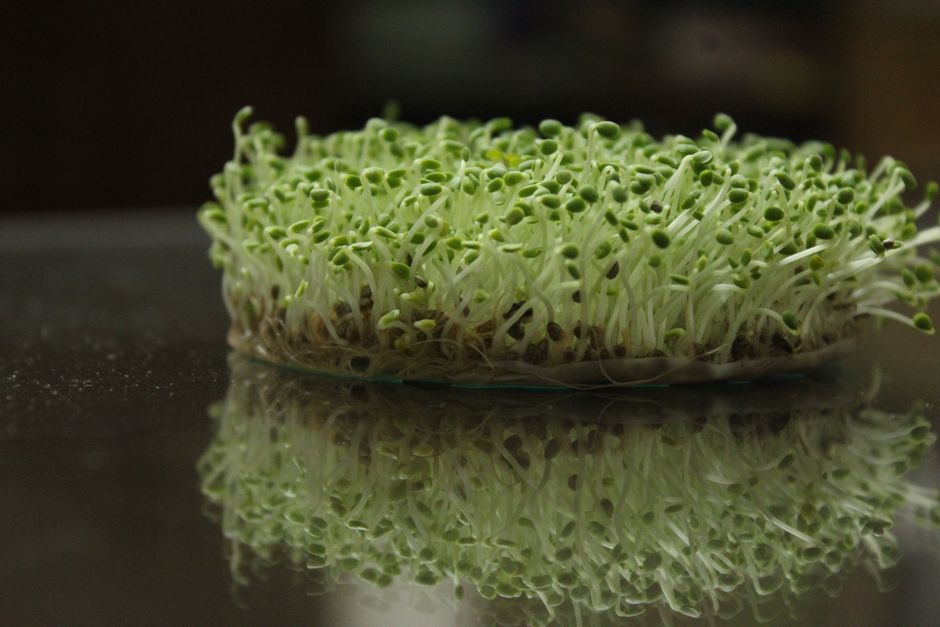
To understand why felt mat microgreen growth has become the gold standard for home hydroponics, we have to look at what happens beneath the surface. When we grow in soil, the medium provides stability and water. A felt mat does the exact same thing but in a much more controlled, “inert” environment.
The Science of Capillary Action
Felt mats work through a process called capillary action. Imagine dipping the corner of a paper towel into a glass of water; the moisture climbs upward against gravity. Felt mats, especially those made from woven fibers like Hemp fiber grow mat – The Leader in Organic Microgreen Growing Media, are engineered to pull water across the entire surface area. This ensures that every single seed has access to moisture without being drowned.
Root Anchoring and Oxygen Access
In a traditional hydroponic setup, roots can sometimes struggle to find “purchase.” Felt mats provide a textured, fibrous web that acts as a physical anchor. As the seeds germinate, their tiny radicles (baby roots) dive into the felt, interlocking with the fibers. This provides the structural support needed for the microgreens to grow tall and straight.
Because the mats are porous, they also allow for excellent oxygen exchange. Roots need to breathe just as much as they need to drink. The balance of water-holding capacity and air pockets prevents the roots from becoming anaerobic, which is the primary cause of the “stinky tray” syndrome many beginners encounter.
pH Neutrality and Cleanliness
Most high-quality felt mats, such as BioStrate, are pH-balanced. This is crucial because if your growing medium is too acidic or alkaline, your microgreens won’t be able to absorb nutrients efficiently. By using an inert medium, we take the guesswork out of the equation. We are providing a clean slate that is free from the pathogens, weed seeds, and heavy metals sometimes found in cheap potting soils.
Types of Felt Mats: From Hemp to Bio-Based Textiles
Not all felt is created equal. Depending on whether you prioritize sustainability, cost, or specific plant needs, you’ll want to choose your material wisely.
Hemp Fiber Mats
Hemp is the heavy hitter of the natural fiber world. It is incredibly durable and has a natural resistance to mold. Typical weights for hemp mats range from 600 GSM (grams per square meter) to a heavy-duty 1300 GSM. A 750 GSM hemp mat is often considered the “sweet spot” for most microgreen varieties, offering enough thickness to hold moisture for 24 hours while remaining light enough for roots to penetrate easily.
Coconut Coir Mats
Coir felt is made from the husks of coconuts. These mats, often found in 800 GSM weights, are known for their incredible structural integrity. They don’t fall apart when soaking wet, making them a favorite for longer-growing crops like wheatgrass or pea shoots.
Bamboo Mats
Bamboo grow mats have gained popularity as a mess-free alternative to traditional felt. They are highly renewable and offer a very smooth surface, which makes harvesting with a sharp knife a breeze. They are particularly effective for those transitioning away from older systems that used proprietary felt pads.
Bio-Based Polymers (BioStrate)
BioStrate is a specialized textile made from a blend of biopolymers and natural fibers. It’s designed specifically for the horticulture industry. It is lightweight (usually 160 or 185 GSM) and is often used in commercial vertical farms because it won’t clog filters or irrigation lines.
Comparing Felt Materials
To help you decide, we’ve put together a comparison of the most common materials used in felt mat microgreen growth.
| Material | Common GSM | Water Retention | Durability | Best For |
|---|---|---|---|---|
| BioStrate | 160–185 | High | Medium | Fast-growing Brassicas |
| Hemp Fiber | 600–750 | Excellent | High | General purpose/Organic |
| Coconut Coir | 800 | High | Very High | Wheatgrass & Sunflowers |
| Bamboo | 400–600 | Medium | High | Easy harvesting/Sustainability |
Benefits of Sustainable Felt Mat Microgreen Growth
One of the biggest reasons we love felt mats is their environmental footprint. Many of these products, like the Hydroponic Hemp Felt Growing Mats 10 Pack – Seedmart Australia, are OMRI listed for organic use.
Hemp, in particular, is a carbon-sequestering superstar. Growing the fiber for your mats actually helps pull CO2 out of the atmosphere. Furthermore, modern bio-based mats are designed to be industrially compostable. Once you’ve harvested your greens, you can simply toss the entire mat—roots and all—into your compost bin. For more on why these are a must-have, check out our guide on why-seedling-mats-are-essential-for-microgreen-growth.
Comparing Felt Mats to Soil and Coco Coir
If you’ve ever tried to harvest microgreens from soil, you know the struggle: getting dirt on your beautiful, tender leaves.
- Mess-Free: With felt, there is no loose dirt. You can grow them on your kitchen counter without turning it into a construction site.
- Uniform Germination: Soil can have clumps or dry spots. A felt mat provides a perfectly level, uniform surface, leading to a “carpet” of greens that all reach harvest height at the same time.
- Shipping and Storage: A box of 300 felt sheets takes up the same space as one small bag of soil but can grow ten times as many crops. This makes them much more efficient for home gardeners with limited storage.
Step-by-Step Guide to Using Felt Mats for Microgreens
Ready to get growing? Follow these steps to ensure your felt mat microgreen growth project is a success from day one.
Step 1: Tray Preparation
Most felt mats come in pre-cut 10″ x 20″ sheets to fit standard “1020” nursery trays. If you are using smaller decorative containers, you can easily trim the mats with standard kitchen scissors.
- Pro Tip: If using a roll (like a 10″ x 250′ BioStrate roll), cut your pieces slightly smaller than the tray bottom so they lay perfectly flat without curling up the sides.
Step 2: Hydrating the Mat
Don’t just spray the mat; it needs a good soak.
- For BioStrate: A quick dip in a water bath or a thorough misting is usually enough. Let the excess water drain off so the mat is damp but not sitting in a puddle.
- For Hemp/Coir: These thicker mats benefit from a 5-minute soak to ensure the core of the fiber is fully hydrated.
Step 3: Seeding
Spread your seeds evenly across the surface. Because you aren’t burying them in soil, seed density is key. You want the seeds to be close but not overlapping. Once spread, give them one final misting to “lock” them onto the felt fibers.
Step 4: The Blackout Period (Dark Germination)
Most microgreens need a period of darkness and slight pressure to germinate well. Place an empty tray on top of your seeded mat to keep the light out. This mimics the weight of soil and encourages the roots to push down into the felt rather than sliding across the top. Keep them in the dark for 2–4 days depending on the variety.
Step 5: Light and Growth
Once you see “loops” or small sprouts pushing up, remove the cover and move the tray into a bright spot (or under LED grow lights).
Optimizing Felt Mat Microgreen Growth Through Proper Watering
Watering is where most people go wrong. The goal is to keep the mat moist, but never “flooded.”
- Bottom Watering: This is the secret to success. Instead of pouring water over the delicate leaves (which can cause mold), pour water into the bottom tray and let the felt mat wick it up.
- Saturation Check: If you tilt the tray and water pools in the corner, you’ve added too much. Aim for a water level that stays just below the top surface of the mat.
Best Plant Varieties for Felt Media
While most microgreens love felt, some perform better than others:
- The Superstars: Broccoli, Kale, Radish, Mustard, and Kohlrabi are incredibly easy on felt. Their roots are aggressive and anchor quickly.
- The Heavy Hitters: Wheatgrass and Pea Shoots thrive on thicker hemp or coir mats because they need the extra water reservoir.
- The “Tricky” Ones: Mucilaginous seeds (like Chia, Flax, and some Basil) develop a jelly-like coating when wet. They can still grow on felt, but you must be very careful not to overwater them in the first 48 hours, or they will slide right off the mat.
Troubleshooting and Maintenance for Hydroponic Mats
Even with the best equipment, nature sometimes throws a curveball. Here is how to keep your felt mat microgreen growth on track.
Mold vs. Root Hairs
This is the #1 question new growers ask. If you see fuzzy white stuff around the roots, don’t panic! These are often “root hairs,” which are a natural part of the plant’s anatomy designed to absorb more water.
- The Test: Mist the white fuzz with water. If it disappears, it’s root hairs. If it stays and looks “cobwebby” or slimy, it’s mold.
- The Fix: Increase air circulation. A small desk fan pointed near (but not directly at) your trays can work wonders.
Yellowing Leaves
If your microgreens look pale or yellow, they are likely hungry or light-deprived.
- Nutrient Deficiency: Since felt mats are inert, they don’t contain nutrients. For crops that grow longer than 10 days, you might need to add a very diluted, hydroponic-safe fertilizer to your water.
- Light Issues: Ensure your greens are getting at least 12–16 hours of light per day once they leave the blackout phase.
Preventing Root Rot
Root rot happens when the mat stays too saturated and the roots “suffocate.” If your mat smells like a swamp, it’s time to start over. To prevent this, always ensure your growing trays have drainage holes or that you are using a “mesh” insert to keep the mat slightly elevated above the bottom of the tray.
Frequently Asked Questions about Felt Mats
Can felt mats be reused for multiple crops?
In almost all cases, no. Felt mats are designed for single use. Because the roots of the microgreens become deeply embedded and “weave” themselves into the fibers, it is virtually impossible to remove them without destroying the mat. Furthermore, leaving old root matter in the mat creates a massive risk for pathogen and mold growth in your next crop. The good news? Most are compostable, so they can go back to the earth!
How do GSM weights affect microgreen yields?
GSM stands for “Grams per Square Meter.” It measures the density of the mat.
- Low GSM (160–185): These are thin and dry out faster. They are great for quick crops like radishes that are harvested in 7 days.
- High GSM (600–1300): These are thick “blankets.” They hold a lot of water, which is essential for thirsty crops or for growers who don’t want to water their trays every single day.
Are felt mats compatible with automated systems?
Absolutely. Because bio-based mats like BioStrate maintain their structural integrity and don’t “shed” fibers, they are perfect for flood-and-drain systems or vertical hydroponic racks. They won’t clog your pumps or filters like loose coco coir or soil might.
Conclusion
At Financelyx, we believe that healthy eating shouldn’t be a chore. Our expert writers, including Elena Monroe, are always looking for ways to bridge the gap between “sustainable living” and “attainable lifestyle.” Felt mat microgreen growth is the perfect example of this philosophy. It allows you to grow nutrient-dense, flavorful greens that can be used for everything from vibrant salads to crunchy garnishes on your favorite snacks.
By choosing the right felt mat—whether it’s a sustainable hemp fiber or a high-tech bio-based textile—you are setting yourself up for a cleaner, more efficient harvest. No more washing dirt off your kale or worrying about soil-borne pathogens. Just pure, fresh nutrition right from your windowsill.
Ready to take the next step in your indoor gardening journey? Make sure you’re giving your greens the best start possible by checking out our guide on Safe fertilizers options for microgreen growth. Happy growing!
