
Why Low-Calorie Nutrient-Dense Meals Are the Smarter Way to Eat
Low-calorie nutrient-dense meals are dishes that give your body a lot of vitamins, minerals, protein, and fiber — without loading you up with unnecessary calories. Here’s a quick look at the best options to get started:
Top low-calorie, nutrient-dense meals at a glance:
| Meal | Approx. Calories | Key Nutrients |
|---|---|---|
| Lentil skillet with spinach, tomato & egg | ~374 | 18g protein, 14g fiber |
| Grilled chicken salad with leafy greens | ~300 | High protein, iron, folate |
| Pan seared tofu bowl with edamame & rice | ~340 | 21g protein, 7g fiber |
| White bean salad with herbs & olive oil | ~297 | 14g protein, 8g fiber |
| Broth-based veggie soup with shirataki noodles | ~150 | Fiber, vitamins A & C |
Most people think eating less means feeling miserable. It doesn’t have to.
The real secret is what you eat, not just how much. Foods high in water and fiber take up more space in your stomach — so you feel full on fewer calories. Two cups of spinach, for example, contain just a handful of calories. The same calorie count in French fries? About 9–10 chips.
That gap is what smart low-calorie cooking is all about.
Whether you’re short on time, tired of bland “diet food,” or just want simple meals that actually satisfy — this guide covers exactly how to make it work.

Defining Low-Calorie Nutrient-Dense Meals for Weight Management
To master the art of healthy eating, we first need to understand the rules of the game. According to FDA standards, a food is officially considered “low-calorie” if it contains 40 calories or less per serving. For main dishes or entire meals, the benchmark is 120 calories or less per 100 grams. But calories are only half the story.
The “nutrient-dense” part of low-calorie nutrient-dense meals refers to the concentration of essential vitamins, minerals, and complex carbohydrates relative to the energy provided. We often contrast these with “empty calories”—those found in processed sugars and refined fats that offer plenty of energy but zero nutritional value.
When we choose nutrient-dense options, we aren’t just cutting numbers; we are fueling our bodies with phytochemicals like beta-carotene, lutein, and lycopene. Scientific research consistently links these compounds to a reduced risk of chronic diseases. By navigating the nutritional landscape of microgreens and other whole foods, we can create a diet that supports both longevity and weight loss.
Consider this comparison of energy density:
| Food Item | Weight/Volume | Calories | Nutritional Value |
|---|---|---|---|
| Raw Spinach | ~14 Cups | 100 | High Fiber, Vitamin K, Iron, Folate |
| Potato Chips | ~9-10 Chips | 100 | High Sodium, Saturated Fat |
As you can see, choosing the spinach allows us to eat a massive volume of food for the same caloric “cost” as a tiny handful of chips. This is the foundation of sustainable weight management.
The Art of Volume Eating: How to Feel Full on Fewer Calories
Have you ever finished a small, calorie-heavy snack and felt just as hungry as before you started? That’s because your stomach’s satiety signals are largely triggered by physical bulk, or “gastric stretching.”
Volume eating is a strategy where we prioritize foods that take up a lot of physical space in the stomach for very few calories. This is achieved by choosing foods high in water content, dietary fiber, and even air. When our stomach expands, it sends signals to the brain that we are full, helping to curb cravings and prevent overeating.
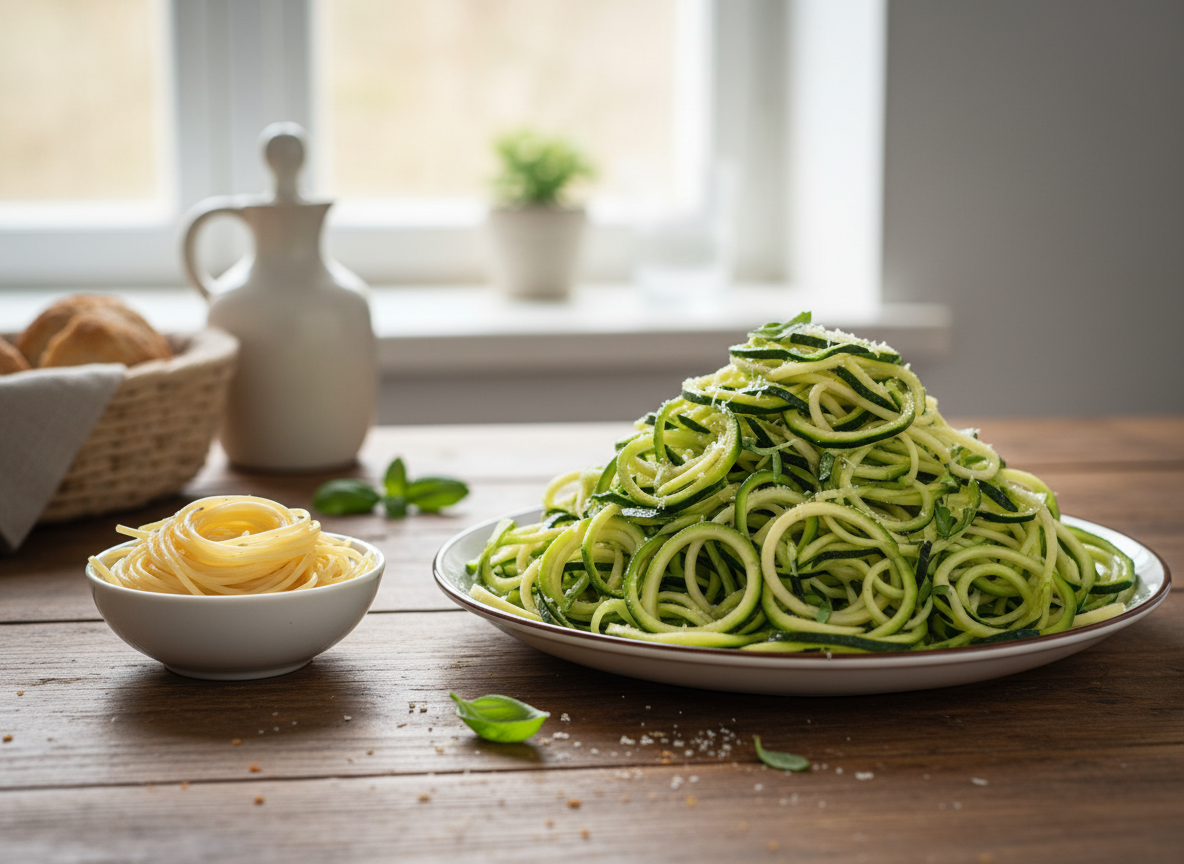
One of our favorite tricks is the “Half-and-Half” swap. For instance, instead of a full bowl of pasta, we might use “zoodles” (zucchini noodles). A 3-cup serving of zoodles is only about 60 calories, whereas the same volume of traditional wheat pasta can soar over 600 calories! By mixing the two or replacing the pasta entirely, we can eat a giant, satisfying portion while staying in a calorie deficit. We’ve found that shedding pounds with microgreens: a guide to weight loss is much easier when you use these tiny powerhouses to add crunch and nutrients to high-volume bases.
High-Volume Staples to Keep in Your Pantry:
- Shirataki Noodles: Made from konjac root, these are virtually zero-calorie and expand in the stomach.
- Mushrooms: All varieties are low in calories (about 20 per cup) and add a “meaty” texture to meals.
- Cabbage: At 92% water, it’s perfect for massive, crunchy slaws.
- Cauliflower: Use it for “rice,” pizza crusts, or simply roasted for a nutty, filling side.
Essential Ingredients for Low-Calorie Nutrient-Dense Meals
Building a successful meal requires a balance of the right “building blocks.” We focus on two main categories: high-satiety proteins and high-volume produce.
Top Protein Sources for Satiety
Protein is the most satiating macronutrient. Interestingly, our bodies use about 20-30% of the calories from protein just to digest and metabolize it—a process known as the thermic effect of food.
- White Fish: Cod, tilapia, and flounder are nutritional superstars. A 100g serving of white fish typically contains only 70-100 calories but delivers roughly 20g of high-quality protein.
- Egg Whites: At only 17 calories per large egg white, they are an indispensable tool for bulking up omelets. We often recommend adding a healthy twist to breakfast with microgreens by folding them into an egg-white scramble.
- Non-fat Greek Yogurt: It’s thick, creamy, and packed with protein. It’s also a great low-calorie substitute for sour cream or heavy mayo in dressings.
- Tofu: Extra-firm tofu is excellent for searing. It acts like a sponge, absorbing whatever flavors you pair it with while providing plant-based protein and fiber.
Many of these sources contain casein protein, which is digested slowly, providing a sustained release of amino acids that keeps us full for hours. For a deeper dive, you can check out this scientific research on protein and metabolism.
Best Fruits and Vegetables for Low-Calorie Nutrient-Dense Meals
While all vegetables are good, some are “great” when it comes to the calorie-to-nutrient ratio.
- Leafy Greens: Spinach, kale, and Swiss chard are the kings of volume. Swiss chard, for example, has only 7 calories per raw cup. These greens are loaded with polyphenols and vitamins.
- Cruciferous Vegetables: Broccoli, Brussels sprouts, and cabbage are high in fiber, which slows digestion and helps maintain steady blood sugar levels.
- Zucchini: Composed of about 95% water, it’s the ultimate “filler” vegetable that doesn’t dilute flavor.
- Berries: If you have a sweet tooth, strawberries (25 calories per half cup) and blackberries are your best friends. They are high in fiber and antioxidants compared to more sugar-dense fruits like mangoes or grapes.
By unlocking the nutritional powerhouse of microgreens, we can garnish these vegetables to boost the vitamin concentration of our meals without adding measurable calories.
Master the Kitchen: Quick Cooking Techniques and Flavor Hacks
The biggest complaint about low-calorie nutrient-dense meals is that they can be “bland.” We are here to tell you that is a myth! The secret lies in how you cook and season your food.
Professional Cooking Techniques
- Searing: Use a high-quality non-stick pan to sear tofu or white fish. This creates a “crust” and develops deep flavors through the Maillard reaction without needing much oil.
- Air-Frying: This is a game-changer for getting a “fried” texture on cauliflower or chickpeas using only a tiny fraction of the oil.
- Steaming: To preserve the most nutrients, we recommend steaming greens. A quick pro-tip: microwave your broccoli with a tablespoon of water and a splash of soy sauce for a 60-second “steam” that keeps it crunchy.
Flavor Hacks Without the Calories
We love using “umami” boosters to make low-calorie food taste rich. Umami is the fifth taste—savory and meaty.
- Mushrooms: Sautéing finely diced mushrooms and mixing them into ground turkey can double the volume of your “meat” while adding incredible depth of flavor.
- Herbs and Spices: Fresh herbs like cilantro, basil, and mint add a burst of freshness. Spices like smoked paprika, cumin, and ginger can transport a simple lentil dish to the Mediterranean or Asia.
- Citrus: A squeeze of lemon or lime juice at the end of cooking can brighten a dish and replace the need for extra salt.
We’ve found that cooking up health with microgreens allows us to add a spicy or peppery kick (like with radish or mustard microgreens) that replaces the need for heavy sauces.
Calorie-Free Flavor Boosters:
- Rice vinegar or Apple cider vinegar
- Nutritional yeast (for a cheesy flavor)
- Garlic and fresh ginger
- Hot sauce or chili flakes
- Reduced-sodium soy sauce or Tamari
Frequently Asked Questions about Low-Calorie Cooking
How many calories should a low-calorie meal have for weight loss?
While there is no one-size-fits-all answer, most sustainable weight loss plans aim for meals between 350 and 500 calories. This range allows for enough protein and fiber to keep you satisfied until your next meal. However, your specific needs depend on your Basal Metabolic Rate (BMR) and activity level. We always recommend a dietitian consultation to find your “sweet spot” for calories.
Is volume eating safe for those with a history of disordered eating?
This is an important distinction. While volume eating is a great tool for many, it can sometimes lead to a fixation on food volume or a “distorted” view of portion sizes. It can also disrupt natural hunger cues if used to excess. If you have a history of disordered eating, it is vital to prioritize nutritional balance over sheer volume and to seek professional guidance before starting a new restrictive eating pattern.
How can I prepare low-calorie meals in under 30 minutes?
Speed is the key to consistency. We recommend:
- Sheet-Pan Dinners: Toss salmon and asparagus on a tray and bake for 12-15 minutes.
- Stir-Frying: Thinly sliced chicken and a bag of slaw mix cook in under 10 minutes.
- Meal Prep: Wash and chop your “volume bases” (like cabbage or lettuce) as soon as you get home from the store.
For more inspiration, we have a collection of healthy and easy lunch recipes with microgreens that are perfect for busy workdays.
Conclusion
Success with low-calorie nutrient-dense meals isn’t about deprivation; it’s about abundance. It’s about filling your plate with vibrant, high-volume foods that make you feel energized rather than sluggish. By focusing on protein, fiber, and smart cooking techniques, you can turn weight management from a chore into a delicious lifestyle.
At Financelyx, we believe that the best diet is the one you actually enjoy eating. Start small—maybe swap your afternoon chips for some cucumber slices with chili-lime seasoning, or add a handful of microgreens to your morning eggs. These small, sustainable habits are the real “secret” to long-term success.
For more tips on living your healthiest life, explore our Health section and join our community of wellness enthusiasts!
